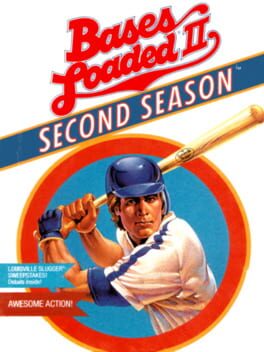

Bases Loaded II: Second Season was released by Jaleco in 1988 as the second in the Bases Loaded series. It was only ever released for the Nintendo Entertainment System, and continued where Bases Loaded had finished as a successful baseball game on the NES console.
Bases Loaded II continued the provision of a season mode, called the "Pennant Race" mode, which allowed players to keep track of statistics and scores over the length of a season. The fictitious teams remained from the original game, with the addition of a number of new players. A new addition to the game was the concept of biorhythm, which encouraged players to keep track of the biorhythm of each player on their team, in order to achieve optimal performance during the season. As well, the starting lineup and batting order was user controlled, and the view of the batter was changed from the first game.
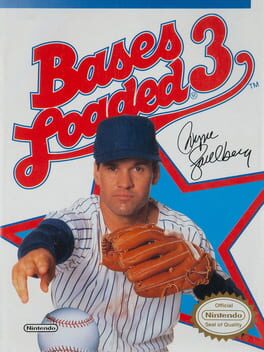
Bases Loaded 3 is the third entry in the Bases Loaded series published by Jaleco for the Nintendo Entertainment System. It was released in 1990 in Japan, and 1991 in North America and was exclusively on the NES. The game departed from the two previous installments by removing seasonal play, focusing instead simply on individual exhibition games. It was noteworthy due to the endorsement of Ryne Sandberg, the famed baseball player.

Sport / Action / Non-fiction
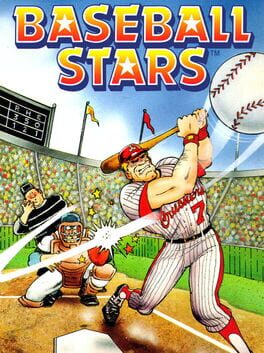
Baseball Stars has become one of the most influential games in the development of sports video games since it was first released in 1989 by SNK. it was released for the Nintendo Entertainment System, as well as the PlayChoice 10 Upright Arcade Cabinet, and became a huge success throughout the world. It is often referred to as the best baseball game on the NES platform, and introduced a number of key features that have become standard in modern sports games, such as "create player" and "create team" functions.

Sport / Arcade / Action / Non-fiction
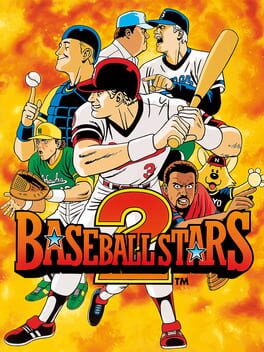
Baseball Stars 2 is the sequel to the very successful Baseball Stars game released for Nintendo in the late 1980s. It was released by SNK for Arcade, as well as the Nintendo Entertainment System. Players can create leagues of up to 125 games (6 teams playing each other 25 times) and view statistics such as League Standings, Average, Home Runs, Runs Batted In, Earned Run Average, Wins and Saves. Players can fire players and upgrade them using the same 15-point system introduced in the original Baseball Stars.

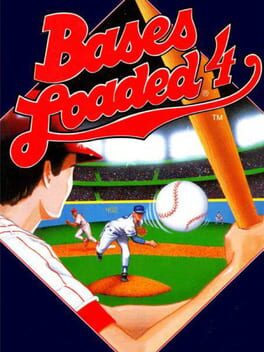
Bases Loaded 4 is the fourth installment in the Bases Loaded series, published by Jaleco exclusively for the Nintendo Entertainment System. The game continued the popular series with fairly similar gameplay, and a more concrete ending with a credits screen revleaing the five faces of the game designers.

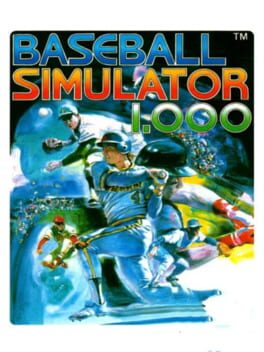
Baseball Simulator 1.000 was made by Culture Brain exclusively for the Nintendo Entertainment System. Released in 1989, it was praised by Electronic Gaming Monthly as the "Best Sports-Themed Video Game" of 1989. This was largely due to some unique gameplay features that helped it to set itself apart from the many other baseball games released.

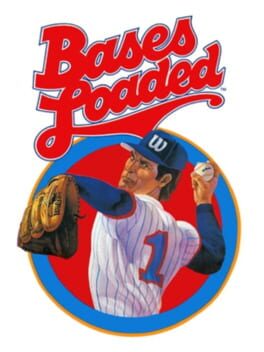
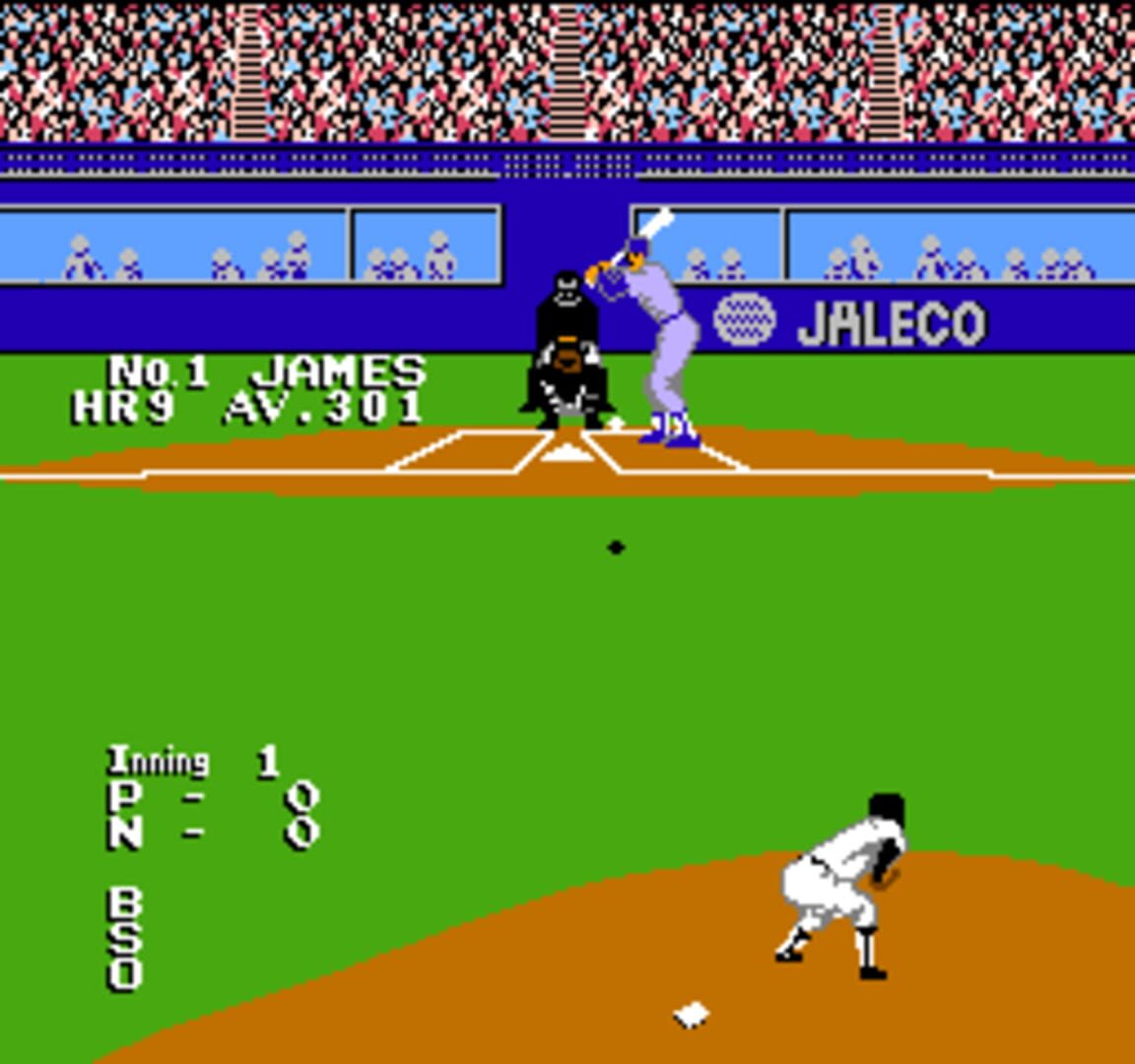
Bases Loaded is a baseball game that was released for Arcade and the Nintendo Entertainment System in 1987. It was developed by Jaleco and TOSE, and was the first installment in the Bases Loaded series, which was followed by seven sequels for three generations of consoles. The game tried to focus on the confrontation between the pitcher and the batter, putting emphasis on the face-off between the two. Unfortunately, this made the perspective fairly limited in determining where to hit the ball, or even where the ball was during a pitch.

Racing / Simulator / Sport / Action
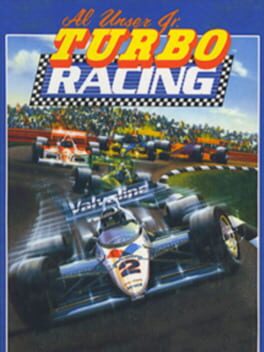
Al Unser Jr.'s Turbo Racing is a racing video game for the Nintendo Entertainment System console released in 1990. It is an adaptation of the 1989 Japanese-market Famicom game World Grand Prix - Pole to Finish, with the most notable changes being the addition of Unser as an in-game coach, the number of laps, sound and interface design. This game features a season mode and two time trial modes.

Sport / Adventure / Arcade / Action / Comedy
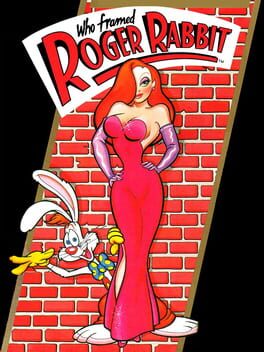
You play this game as the Private Investigator, Eddie Valliant, while Roger Rabbit wanders around the scenery behind you. Your job is to search the city for clues, items and punchlines to jokes which will be your only defense should the Weasels catch up to poor Roger. Except for these Weasels (and birds flying overhead), Roger is more or less invincible as a toon. That means for most of the gameplay, he will be ignored. Should the Weasels appear in an area with you however (with an alarm sounding as they get close), Roger will go bug-eyed and try to run away. It is then up to Eddie to keep the Weasels away from Roger or engage in knock-knock jokes should they happen to catch him.