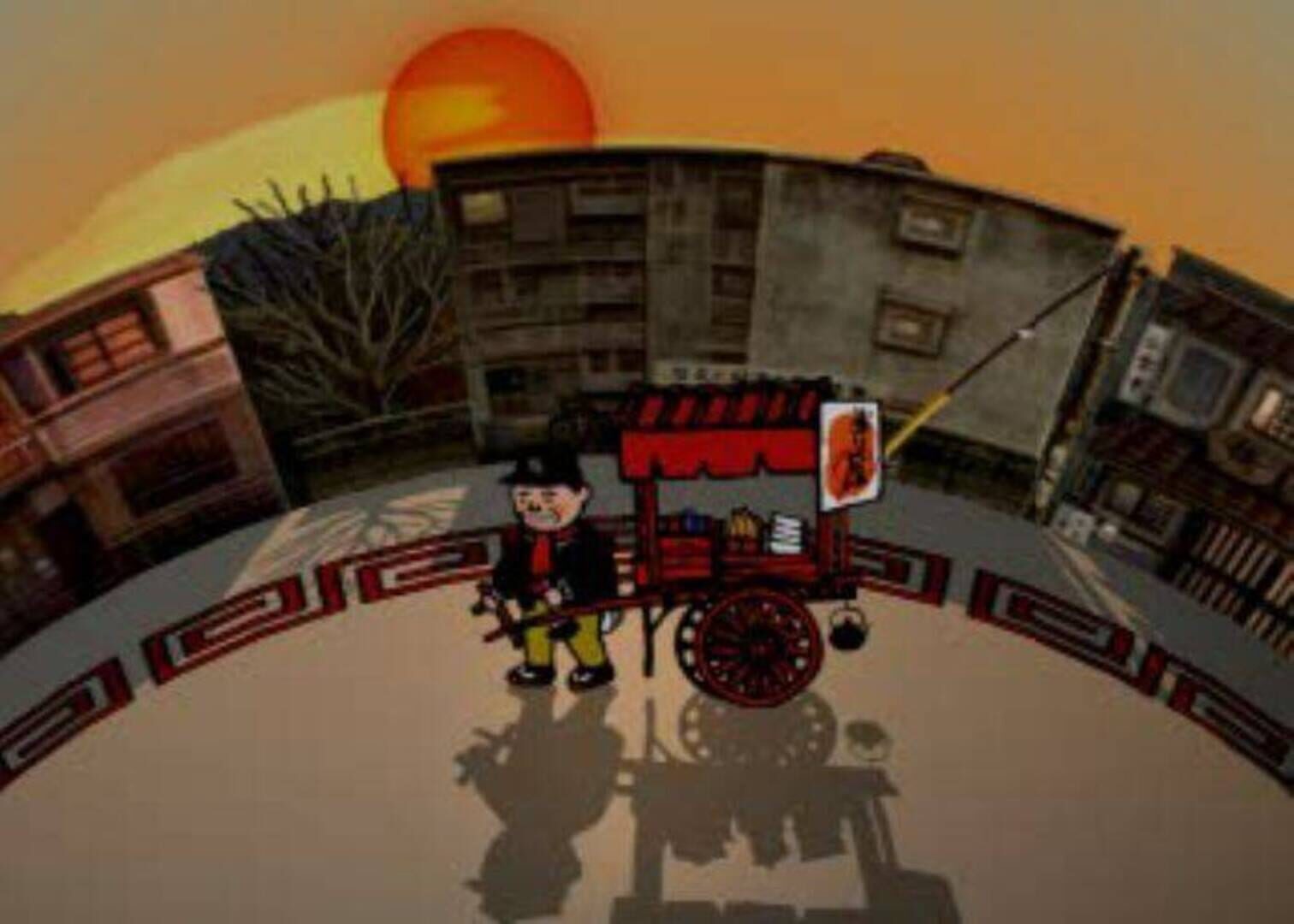
A licensed managerial-simulation game starring Myojo Foods' noodle mascot "Uncle Charumera".
Screenshots
Featured in
A licensed managerial-simulation game starring Myojo Foods' noodle mascot "Uncle Charumera".
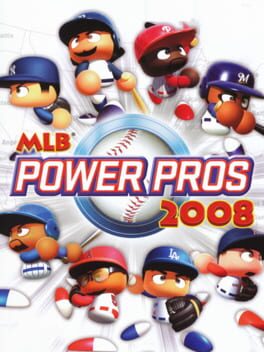
MLB Power Pros is a different take on the MLB license. While the player has the ability to play as authentic players on actual MLB teams, the players are represented by anime characters, with large heads, feet and hands with no arms and legs. The game has been a mainstay in Japan for the last 15 years. Power Pros does feature options from other real-time games such as Season, Multiplayer and Exhibition modes, it also has a story based mode where the player can create their own character and play up to 20 years, doing activities such as earning the right to move from the minors to the majors, landing big contracts, as well as buying houses and cars, make friends on and off the field, as well as start hobbies and make donations to charities to draw attention to the player. It also features a Dynasty mode where the player can run a MLB team, trading and releasing with a roster of 40 men and change formations on defense and offense as well as change a pitchers ball speed.
Role-playing (RPG) / Simulator / Business / Sandbox
The second Harvest Moon game released on the Game Boy Color, Harvest Moon 2 GBC is a farming simulation in which the player assumes the role of either a boy or a girl who is left a farm and given three years to turn its fortunes around.
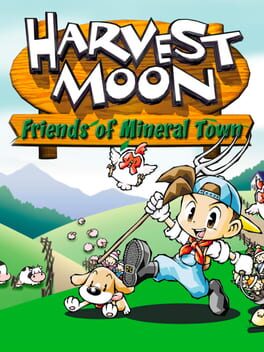
Role-playing (RPG) / Simulator / Sandbox
Turn a long-neglected field of rocks and weeds into a successful farm in this rustic role-playing game.
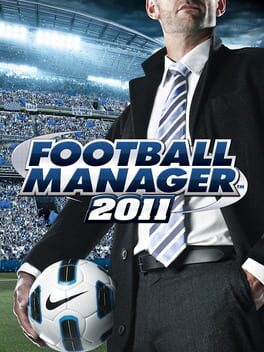
Simulator / Sport / Strategy / Non-fiction
In Football Manager 2011, managers can negotiate contracts with players, access a training area so that managers can give their team specific areas to focus on before a match, interact with players, staff and the board, enjoy 100 new animations, and much more.
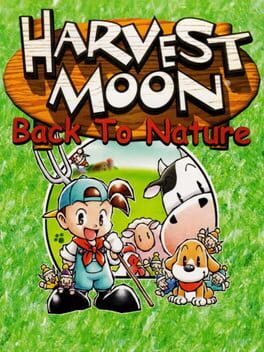
Role-playing (RPG) / Simulator / Business
Natsume's farm simulation series makes its debut on the PlayStation with Harvest Moon: Back to Nature. It is the first Harvest Moon game for a non-Nintendo console. Starting with a few rudimentary implements and very little money, players begin the arduous task of reviving their grandfather's farm and thereby claiming their place as its rightful heir. Players are given three years to achieve this goal. A year consists of four seasons, each of which lasts 30 days. Different crops can be planted each season, but before the seeds can be planted, the land must be cleared and then the soil tilled. Seeds must also be watered until the fruit or vegetable matures. Once the crops are ready for harvest, they can be placed in a shipping bin where they'll be collected and paid for. In addition to farming, players will interact with local villagers and partake in seasonal events such as the Tomato Festival and Fireworks Display. As more money is earned, players can expand their farm and begin to raise livestock such as chickens and cows.
Simulator / Strategy / Business / Sandbox
SimCity, later renamed SimCity Classic, is a city-building simulation video game, first released on February 2, 1989, and designed by Will Wright for the Macintosh computer. SimCity was Maxis's second product, which has since been ported into various personal computers and game consoles, and spawned several sequels including SimCity 2000 in 1993, SimCity 3000 in 1999, SimCity 4 in 2003, SimCity DS, SimCity Societies in 2007, and SimCity in 2013. Until the release of The Sims in 2000, the SimCity series was the best-selling line of computer games made by Maxis.
Simulator / Sport / Strategy / Non-fiction
Football Manager 2010 (abbreviated to Football Manager 10 or FM10) is a football manager simulation video game. It was released on Microsoft Windows, Mac OS X and PlayStation Portable on 30 October 2009.[3] It is also available for digital download on Steam and iOS.[4] The game demo was released on 14 October 2009.[5][6] This is the first release in the series to be sold under the Football Manager name throughout the world. Previous North American (i.e., United States/Canada) versions were sold as Worldwide Soccer Manager.