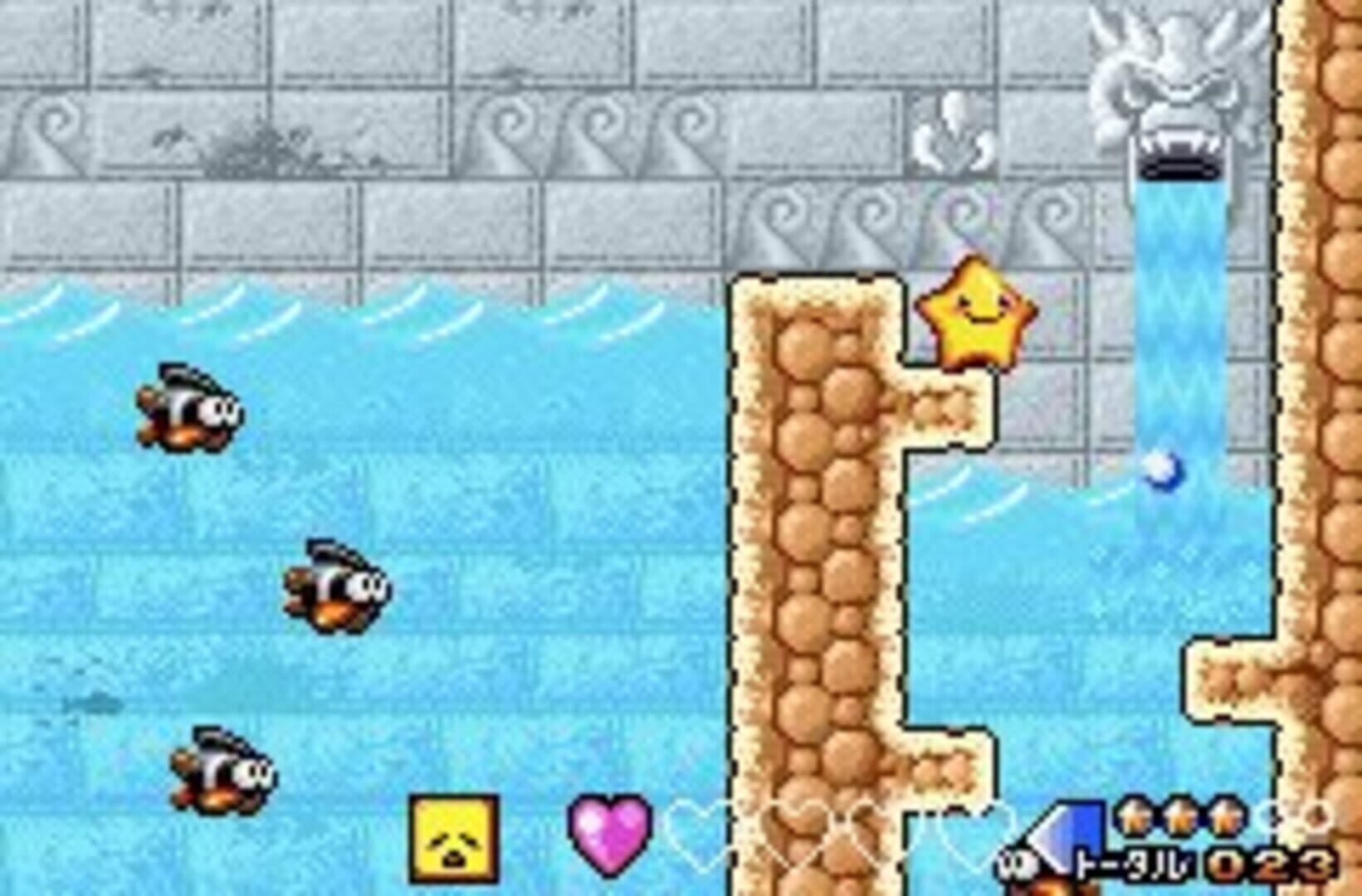

In the beginning, Starfy was moving things around Pufftop Palace, until he tripped and dropped some things he was moving. One of them fell into the ocean, which was the Magic Jar, an object that seals the evil being known as Ogura.
Surrounded by the vast sea there is a kingdom high above the clouds called Pufftop. Living there is Starfy, the prince of Pufftop. Starfy is often careless and clumsy in nature. Times were normally peaceful in Pufftop, until Starfy was carrying around valuable treasure and he accidentally dropped a jar into the ocean. Just then, the being inside the jar used his magical powers to create a terrible storm. Tornadoes then struck the Pufftop Palace. Starfy struggled to hang on, and eventually dropped into the ocean showing his Done For pose. Starfy fell straight into Lobber's Cave, located on a small island. A wise lobster, Old Man Lobber found Starfy in his cave and asked Starfy if he could hear him. After finding out that Starfy is OK, Old Man Lobber advises that Starfy should rest a while in his cave from the terrible storm. Old Man Lobber wonders what to do with Starfy, as he is too weak to return to Pufftop. Old Man Lobber mentions a friend of his, Herman and Starfy proceeds to find Herman. Starfy finds Herman wearing an ordinary gray shell. He has lost his missing home; a conch shell called the Pretty Shell and Herman asks him to find it. After finding a Kettle, Herman, believing it may have been washed further, gives Starfy a key leading to another part of the level, where Starfy finds a tusk shell - the Dentalium Shell. After finding the tusk shell, Herman - who finds the shell too small - thinks that it is behind the rocks. He then teaches Starfy how to use the Star Spin attack. Later, Starfy finds the colorful conch shell and returns it to Herman. Herman is very grateful for Starfy and leads Starfy to the next stage, Coral Reef.
Platform / Adventure / Action / Fantasy
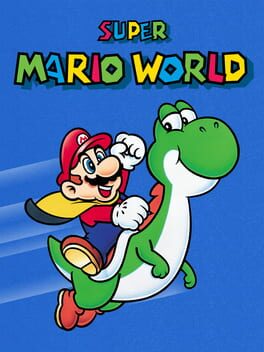
A 2D platformer and first entry on the SNES in the Super Mario franchise, Super Mario World follows Mario as he attempts to defeat Bowser's underlings and rescue Princess Peach from his clutches. The game features a save system, a less linear world map, an expanded movement arsenal and numerous new items for Mario, alongside new approaches to level design and art direction.

Platform / Adventure / Action / Fantasy
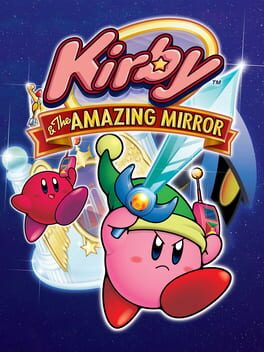
Once again, Kirby must save the kingdom from evil. But this time he'll need some backup. As Kirby, you can call up one of four alter egos for help during your quest. Each character features new copy abilities that range from arrow-shooting to melee moves. Practice your skills in new side games, such as Crackity Hack and Speed Eaters. In addition to new abilities and subgames, Kirby & the Amazing Mirror also introduces new multiplayer modes.

Shooter / Platform / Adventure / Action / Fantasy
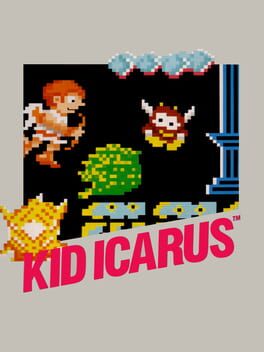
Kid Icarus is an action platform video game for the Family Computer Disk System in Japan and the Nintendo Entertainment System in Europe and North America. The plot of Kid Icarus revolves around protagonist Pit's quest for three sacred treasures, which he must equip to rescue the Grecian fantasy world Angel Land and its ruler, the goddess Palutena. The player controls Pit through platform areas while fighting monsters and collecting items. Their objective is to reach the end of the levels, and to find and defeat boss monsters that guard the three treasures.

Platform / Adventure / Action / Fantasy
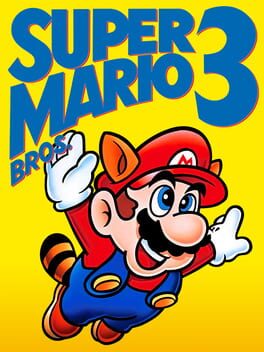
Super Mario Bros. 3, the third entry in the Super Mario Bros. series and Super Mario franchise, sees Mario or Luigi navigate a nonlinear world map containing platforming levels and optional minigames and challenges. The game features more diverse movement options and new items alongside more complex level designs and boss battles.

Platform / Adventure / Action / Fantasy
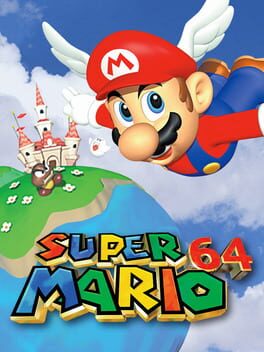
Mario is super in a whole new way! Combining the finest 3-D graphics ever developed for a video game and an explosive soundtrack, Super Mario 64 becomes a new standard for video games. It's packed with bruising battles, daunting obstacle courses, and underwater adventures. Retrieve the Power Stars from their hidden locations and confront your arch-nemesis— Bowser, King of the Koopas! • Run freely in a grassy meadow, tip-toe through a gloomy dungeon, climb to the top of a mountain, or take a swim in the moat! • Leap headfirst into a watery painting and soon you'll be searching for the surface in an underwater realm! • On-the-fly, 3-D rendered gameplay delivers the action of ruthless enemy attacks from every angle! • Find the Caps that give Mario super powers and ponder the mysteries of the pyramid; you can even race Koopas for fabulous prizes! • With the Nintendo 64 Controller and its analog Control Stick, Mario can crawl, kick down obstacles, swim, do reverse flips, and even stick the landing on his backwards somersault! • Saved game information is stored for up to four players in memory.

Platform / Adventure / Action / Fantasy
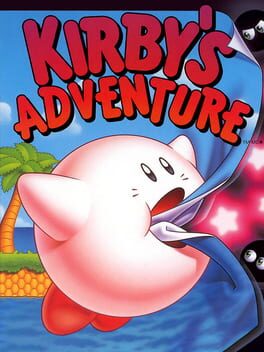
Not everything is well in Dream Land. For some mysterious reason, the Dream Spring, a magical well that is the reservoir for all the dreams of the citizens of Dream Land, is no longer working. Everyone is being subjected to their worst nightmares every time they go to sleep. Upon reaching the Dream Spring, Kirby finds out that evil King Dedede has stolen the Star Rod, thus depriving Dream Land of the magical energy that feeds its spring. Using 20 unique tricks and your ability to steal your enemies' powers by swallowing them, you'll have to make your way through a horrific land filled with all kinds of nightmares. Recover the broken pieces of the Star Rod, and everyone in Dream Land will sleep peacefully once again. If you fail, the citizens of Dream Land will be subjected to a lifetime of terrible nightmares.


Platform / Hack and slash/Beat 'em up / Adventure / Action / Fantasy
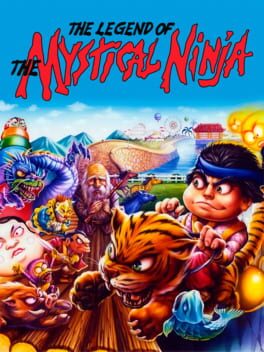
The Legend of the Mystical Ninja is a light-hearted action-adventure game for 1-2 players by Konami, and was released for the Super Nintendo Entertainment System in 1991. It is the first game in the Japanese video game series Ganbare Goemon to have a Western release. It underwent several changes compared to its Japanese counterpart Ganbare Goemon: Yukihime Kyuushutsu Emaki. The protagonists were renamed for the Western release, and some content was altered to comply with Nintendo’s strict censorship policies at the time, such as the removal of certain characters and cutscenes.