Developed by Square Enix Product Development Division 1 for Square Enix.
Fighting / Role-playing (RPG) / Hack and slash/Beat 'em up / Action / Fantasy
Dissidia Final Fantasy is a 3D-arena fighting game with RPG elements featuring 20 characters, heroes and villains, from the first 10 final fantasy games summed by the god of discord and the goddess of harmony to fight over the fate of the world.
Two opposing gods wage an endless war across a fractured world: Cosmos, goddess of harmony, and Chaos, god of discord, each summoning champions to fight in their name through cycle after cycle of conflict. As the balance tips dangerously toward Chaos, the weakened Cosmos calls upon ten heroes drawn from across the Final Fantasy series and charges them with recovering the ten crystals that hold the strength to face despair. Guided by their own personal journeys, the warriors set out across the realm, clashing with the villains bound to their pasts and confronting doubts about themselves along the way. Together they must gather the crystals and stand against Chaos and his minions before all existence is undone.
Role-playing (RPG) / Adventure / Fantasy / Sandbox
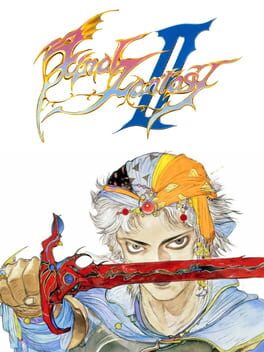
Final Fantasy II is the second installment in the Final Fantasy series, developed and published by Squaresoft. It was directed by Hironobu Sakaguchi, with Yoshitaka Amano designing the characters and Nobuo Uematsu composing the score. It was notable for being one of the first story-intensive RPGs released for console systems, and introducing many series staples, including chocobos and a character named Cid. Its story is unrelated to the original FINAL FANTASY, and its gameplay is a major departure from the previous title for eliminating the traditional experience-based progression system.

Role-playing (RPG) / Adventure / Card & Board Game / Fantasy / Science fiction
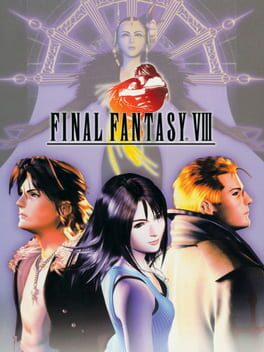
Final Fantasy VIII is the eighth main installment in the Final Fantasy series. The gameplay makes a departure from many series standards. While it still uses the Active Time Battle system, it deviates from the series' traditional means of boosting a character's power via leveling, although levels are not completely abandoned as they were in Final Fantasy II. In addition, it does not have a Magic Point-based system for spell-casting. Instead, magic is collected, drawn, and created from items, and is used to power up the characters via the junction system.

Role-playing (RPG) / Adventure / Fantasy / Drama
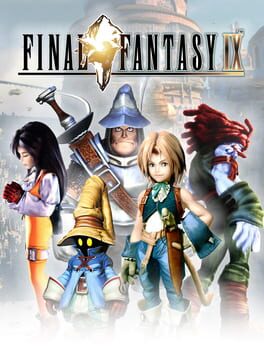
Final Fantasy IX is the ninth main installment in the FF series. The title is a return to the series's roots, with gameplay features and references to the past games featuring throughout, as well as a medieval fantasy setting and cartoonish art style as a break from the sci-fi slant style of Final Fantasy VII and Final Fantasy VIII.

Role-playing (RPG) / Adventure / Fantasy
Final Fantasy VI is the sixth main installment in the Final Fantasy series, developed and published by Square. It was the final title in the series to feature two-dimensional graphics, and the first story that did not revolve around crystals. The game gives players up to fourteen playable characters, the largest cast in the series, and features the Active Time Battle pseudo-turn based menu command system. A party can consist of up to four characters, though some events require the player to assemble three different parties of up to four and switch between them. Each character has a unique command ability, such as Terra's Trance, Locke's Steal, Edgar's Tools or Sabin's Blitz, and can also learn Magic spells from earning AP from battles with magicite equipped. Each character's rare Desperation Attack will randomly activate after using the Attack command when at critical health.

Role-playing (RPG) / Hack and slash/Beat 'em up / Adventure / Action / Science fiction
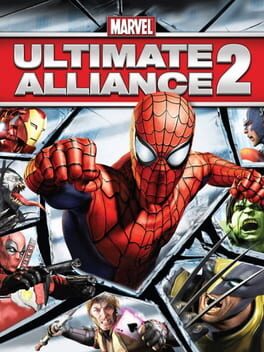
Marvel: Ultimate Alliance 2 is the second game in the Marvel: Ultimate Alliance series, and is loosely based on the events of the Civil War comic book story line. It brings with it a larger roster of heroes and villains to play as, as well as more ways to utilize your team in battle.

Role-playing (RPG) / Hack and slash/Beat 'em up / Adventure / Action / Fantasy
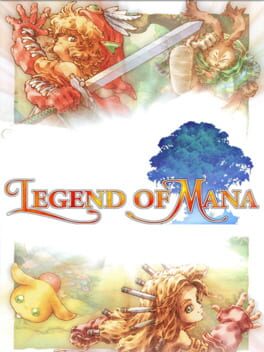
While incorporating action role-playing game elements from the three games which preceded it, Legend of Mana has its own distinct style of gameplay. Most notably, it gives the player the ability to shape the game's world of Fa'Diel according to his or her desires, a system which was incorporated through the use of "artifacts," which are gained as the player progresses through the game. The player uses the artifacts to create different towns, dungeons, etc., called "Lands", to venture to and explore. This creates a non-linear gameplay, since the game is driven by a series of what would be considered side-quests in other games. Legend of Mana features three different plots which can occur simultaneously, and which do not necessarily need to be completed for the player to finish the game. Legend of Mana was a financial success in Japan. While the game garnered considerable praise for its graphics and presentation, many critics and fans were turned off by the game's lack of a main storyline.

Hack and slash/Beat 'em up / Adventure / Action / Fantasy
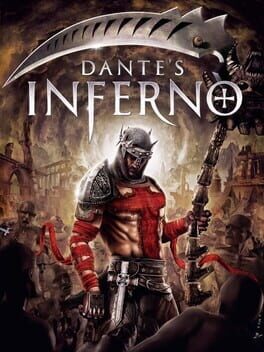
Dante's Inferno is an epic single player, third-person action adventure game inspired by "Inferno", part one of Dante Alighieri's classic Italian poem, "The Divine Comedy." Featuring nonstop action rendered at 60 frames-per-second, signature and upgradable weapons, attack combos and mana-fueled spells and the choice of punishing or absolving the souls of defeated enemies, it is a classic Medieval tale of the eternal conflict with sin and the resulting horrors of hell, adapted for a new generation and a new medium.

Role-playing (RPG) / Adventure / Action / Fantasy
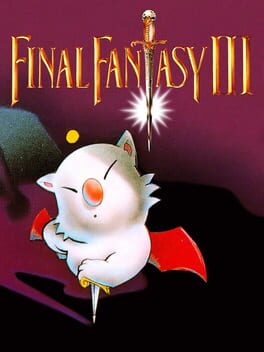
Final Fantasy III is a remake and a complete overhaul of the 1990 version with the same title. This allowed western players to finally experience the classic Final Fantasy game localized for the very first time. The graphics are rendered in full 3D and various changes have been implemented.