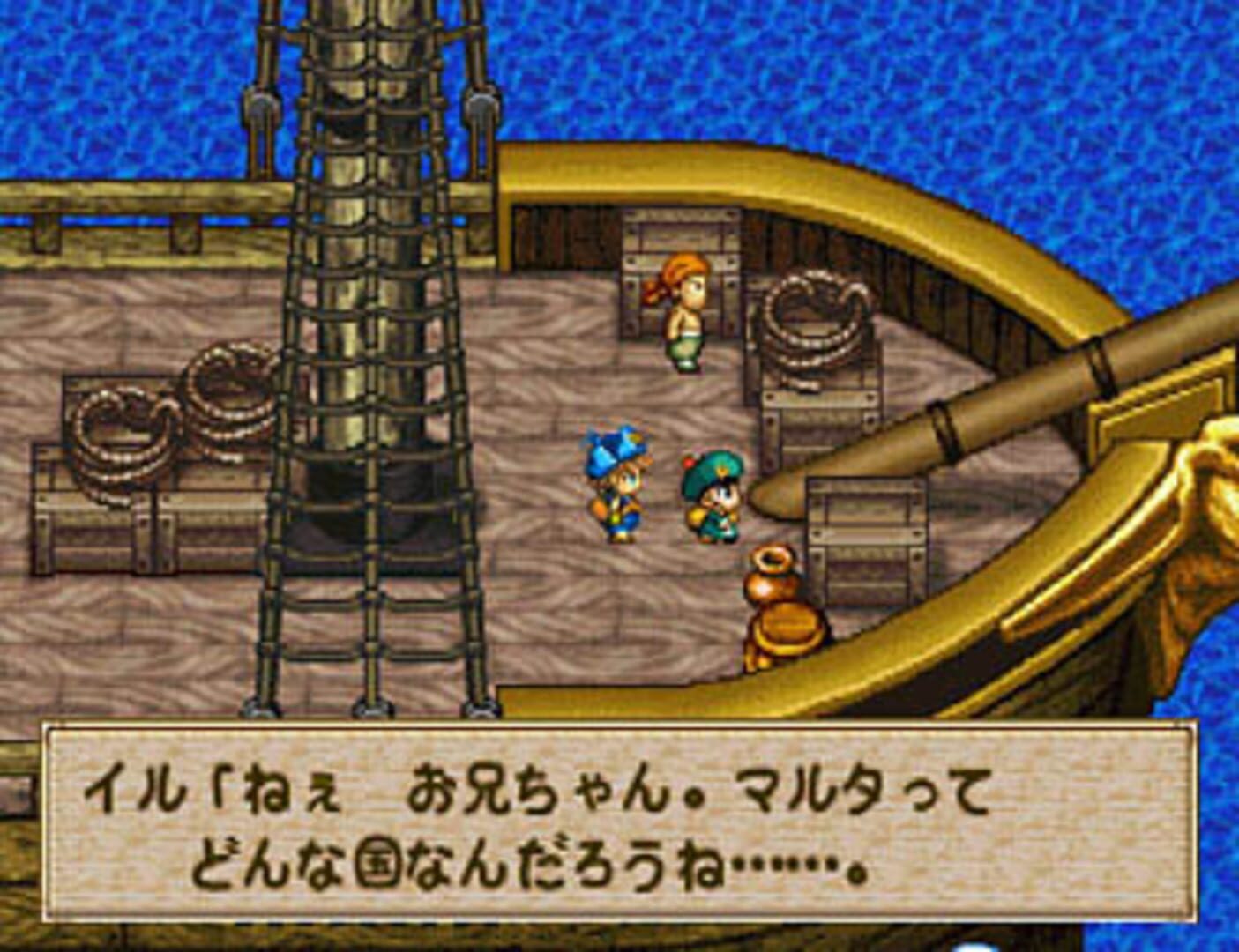
Dragon Quest Monsters 1+2 is a compilation of the 3 DQM games released on the Game Boy Color. The games have updated graphics and a new interface. The game was released on the PlayStation but only in Japan.
Screenshots
Featured in
Dragon Quest Monsters 1+2 is a compilation of the 3 DQM games released on the Game Boy Color. The games have updated graphics and a new interface. The game was released on the PlayStation but only in Japan.
Role-playing (RPG) / Turn-based strategy (TBS) / Adventure / Fantasy / Sandbox
In Dragon Quest IX: Sentinels of the Starry Skies, players begin their adventure as a city guardian who is sent to retrieve a sacred trees fruits, which have the power to grant wishes. Players travel the world, conquer fearsome monsters and unravel an epic storyline. During their journey, players will encounter mighty opponents in fast-paced battles, and also interact with a colorful cast of characters.
Role-playing (RPG) / Adventure / Fantasy / Comedy
Dragon Quest Monsters is a turn-based RPG that involves recruiting monsters to fight for you in random encounters. Two recruited monsters can be fused together for a better one and extra monsters can be stored on a farm while not in your party. It was released in Japan for the Game Boy Color before the system was released.
Role-playing (RPG) / Adventure / Fantasy
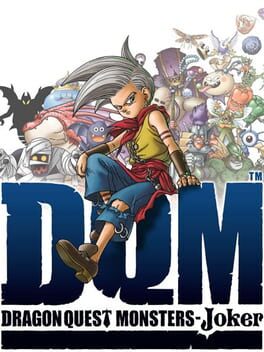
Players assume the role of a monster hunter as they capture, train and breed a powerful army from more than 200 classic Dragon Quest creatures in order to become the world's greatest monster trainer. Joker is a breakout title that combines the depth of a classic Dragon Quest RPG with the addictiveness of a monster catching adventure.

Role-playing (RPG) / Sport / Fantasy / Historical
Dragon Quest VI did not receive an enhanced remake on a console until the Nintendo DS. The Dragon Quest VI enhanced remake for the Nintendo DS was announced in late 2007 by Square Enix and was developed by ArtePiazza. A handful of changes were made to the game, some remaining controversial among fans.
Role-playing (RPG) / Adventure / Fantasy
Dragon Quest Monsters: Caravan Heart acts as a prequel to Dragon Quest 7 and was never released outside of Japan but there is a fan-translation patch. You play Kiefer from Dragon Quest VII who ends up in the world of Dragon Quest II. You can use a group of 3 people or monsters to fight but enemies can show up in larger numbers. There is a job system for human characters with 20 classes.
Role-playing (RPG) / Adventure / Fantasy / Science fiction
The Western release of Final Fantasy VII (released as Final Fantasy VII International in Japan) included additional elements and alterations, such as streamlining of the menu and Materia system, reducing the health of enemies, new visual cues to help with navigation across the world map, and additional cutscenes relating to Cloud's past.
Role-playing (RPG) / Adventure / Fantasy
Final Fantasy VI is the sixth main installment in the Final Fantasy series, developed and published by Square. It was the final title in the series to feature two-dimensional graphics, and the first story that did not revolve around crystals. The game gives players up to fourteen playable characters, the largest cast in the series, and features the Active Time Battle pseudo-turn based menu command system. A party can consist of up to four characters, though some events require the player to assemble three different parties of up to four and switch between them. Each character has a unique command ability, such as Terra's Trance, Locke's Steal, Edgar's Tools or Sabin's Blitz, and can also learn Magic spells from earning AP from battles with magicite equipped. Each character's rare Desperation Attack will randomly activate after using the Attack command when at critical health.
Role-playing (RPG) / Adventure / Fantasy / Science fiction
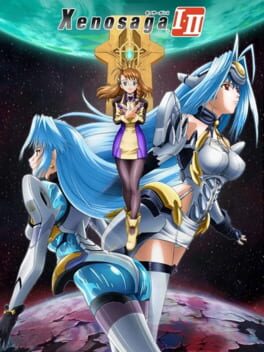
Xenosaga I & II is a combined remake and retelling of Xenosaga Episode 1 and 2 redesigned for the Nintendo DS. The story changes were handled by the creator of the series. The game changes large parts of the storyline in Episode 1 while following the elements established in the original game. This includes adding new characters and changing how some scenarios play out. Changes in Episode 2 were much larger as the main character perspective of the game was switched from Jr. to Shion to match up with Episode 1 and 3. Some characters are removed from the story or have their fates changed or revealed. Some dungeons are removed, edited, or replaced. It also answers some questions that the original did not as you follow a different path through the same overall story. It also changes the combat mechanics of Episode 2 to match Episode 1.