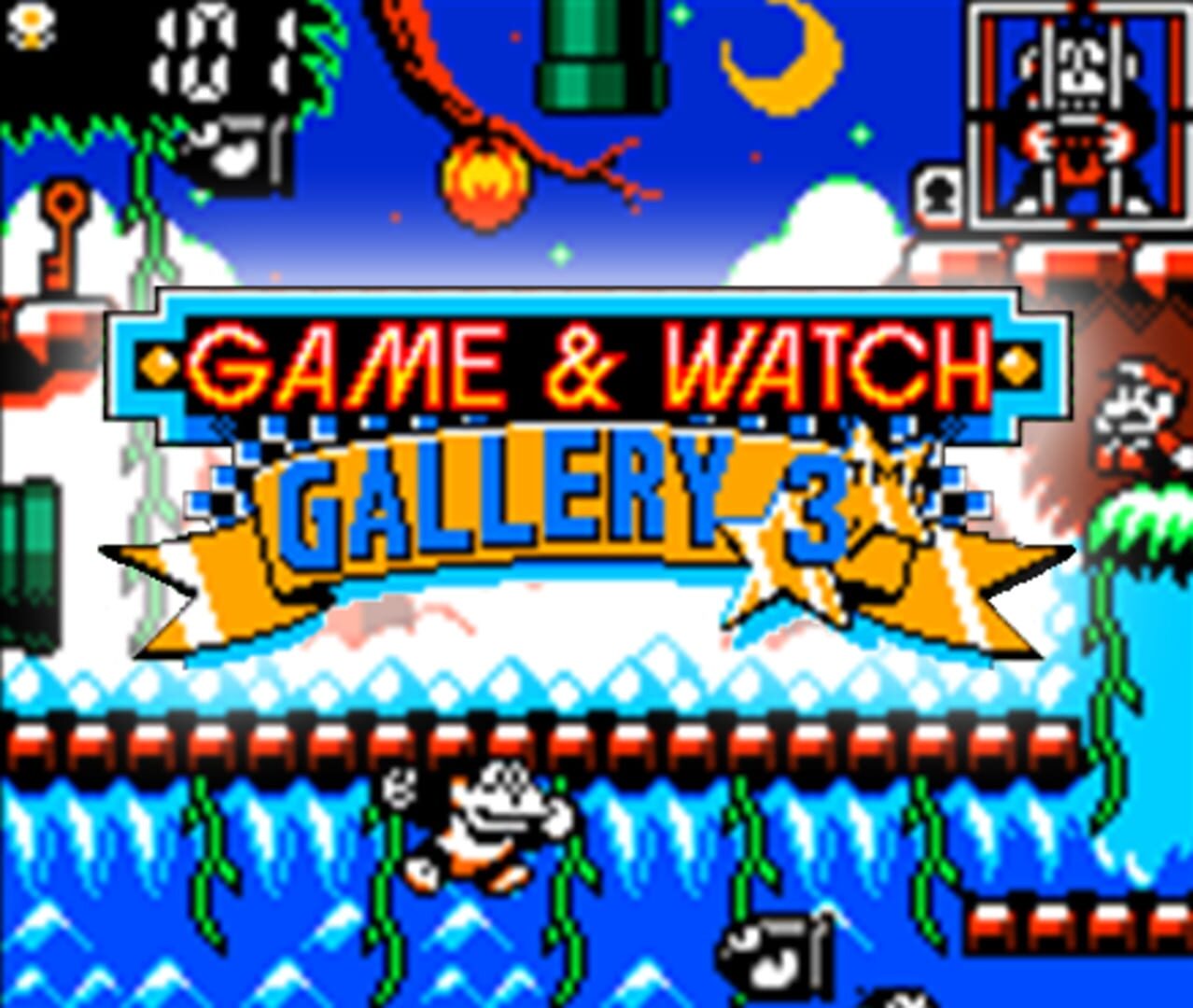
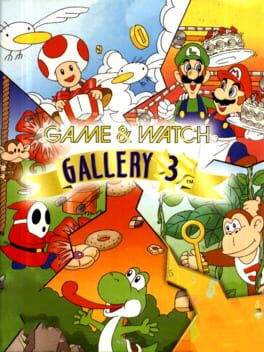
Flash back to the '80s with Game & Watch Gallery 3, featuring original and updated versions of five handheld classics.
Screenshots & Artwork
Featured in
Flash back to the '80s with Game & Watch Gallery 3, featuring original and updated versions of five handheld classics.
Puzzle / Arcade / Action / Science fiction
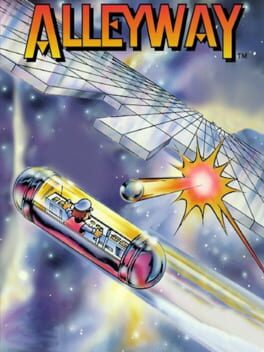
Interstellar ping-pong with a deadly energy ball! Your spaceship is at the gate of the Alleyway. Use your vessel to repel the energy ball. Atomize space grids with your return shots. Destroy the entire field and move on to even more challenging targets. You're in command in the Alleyway!
Platform / Arcade / Action / Kids
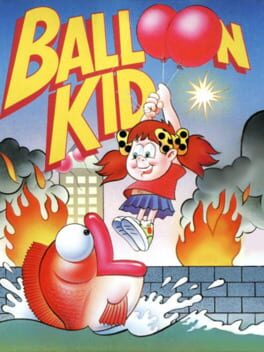
Take to the skies with Balloon Kid. You'll have to think light as you float across the most unfriendly skies around. Nasty flying creatures will test your piloting skills, but don't go too low because even nastier enemies await you on the ground. Get extra bonuses by gathering all the balloons you can for a series of challenging tests of skill. Take a big gulp of courage and give Alice a hand as she searches for her missing brother. Play alone or use your Video Link cable to race against a friend. Either way, Balloon Kid will give you a lift.
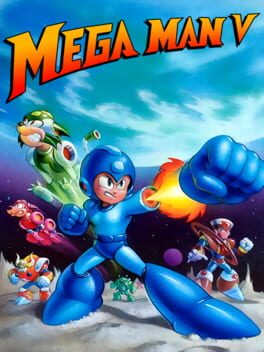
Platform / Adventure / Arcade / Action / Science fiction
Mega Man V, known as Rockman World 5, is a video game developed and published by Capcom for the Game Boy handheld game console. It is the fifth and final game in the Game Boy version of the original Mega Man series. The game follows the adventures of the protagonist Mega Man as he must defend the Earth from a group of powerful robots from outer space called the "Stardroids". Mega Man V was also unique from the previous Game Boy Mega Man games as it features original and unique bosses rather than recycling those from the original Nintendo Entertainment System (NES) Mega Man games.
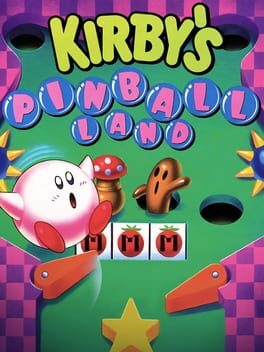
Pinball / Arcade / Action / Fantasy
Choose your world and take aim! Kirby will be launched into the fast-paced danger of uncharted worlds, but you can help him face his foes head on. It's a pinball race to check out each new world's surprise enemies and pitfalls. Flip Kirby in battles against lethal eyeballs, a shooting tree and mace-swinging maniacs. Take aim and leap to new worlds!
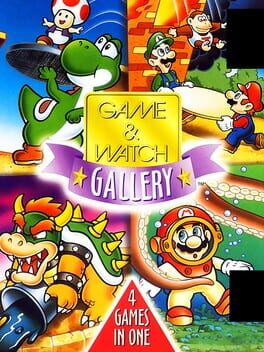
Enjoy four different games from the classic Game & Watch Gallery series: Manhole, Fire, Octopus and Oil Panic. Original and revised versions of each game are included.
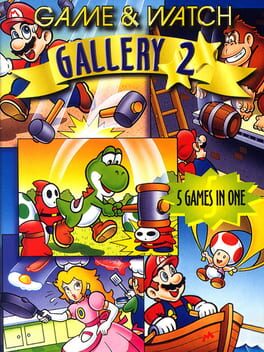
Game & Watch Gallery 2 is the sequel to Game & Watch Gallery released in 1997 for the Game Boy, only in Japan. This version is a colorized version released for the Game Boy Color in 1998. The game included six revisions of classic Game & Watch games, one of which is not playable from the beginning and must be unlocked. This colorized version was never released in Japan, although a prototype was found.
Platform / Puzzle / Adventure / Action / Comedy
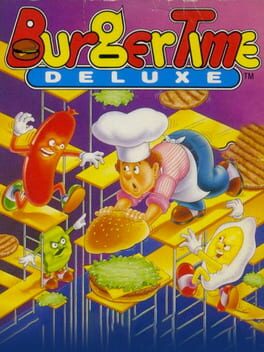
Based on BurgerTime, the Arcade classic from 1982, BurgerTime Deluxe once again puts you in the role of chef Peter Pepper, a guy who can really build a burger. You maneuver the cook up and down ladders and left and right across floors in order to walk across various parts of giant hamburgers, such as large lettuce, big buns and massive meat patties. After you cross any section of any hamburger, it will drop one level and push any other burger part within that stack down a floor as well. The object of the game is to build all the hamburgers in each stage by dropping all the makings of each burger into completed stacks at the bottom of the screen. As you go about your burger building business, Food Foes Mr. Pickle, Mr. Egg and Mr. Hot dog (also known as Frank N. Furter) will chase after you. You can destroy these culinary cutups by trapping them in falling burger parts or by tricking them into walking on a burger part you are in the process of dropping. To freeze the Food Foes, you can sprinkle a dash of pepper on them. You begin the game with a small pepper supply and can pick up additional pepper shakers that appear throughout the levels. You can also pick up bonus points (in the guise of cups and saucers) and extra lives. Unlike the original BurgerTime, which had less than 10 different non-scrolling screens, BurgerTime Deluxe has seven levels with four stages in each level for a grand total of 28 screens, most of which scroll to some degree. A password feature enables you to return to the beginning of last level you played. Also, this version of the game features a two-player competitive mode (as long as you have two copies of the game, an extra Game Boy, and a link cable).
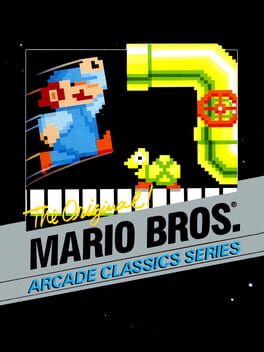
The first port of Mario Bros. was developed by Nintendo for the Famicom and later released in American under the Arcade Classics series. It follows most of the features of the arcade game, and adds a difficulty setting. This version would be the most re-released version in future consoles.