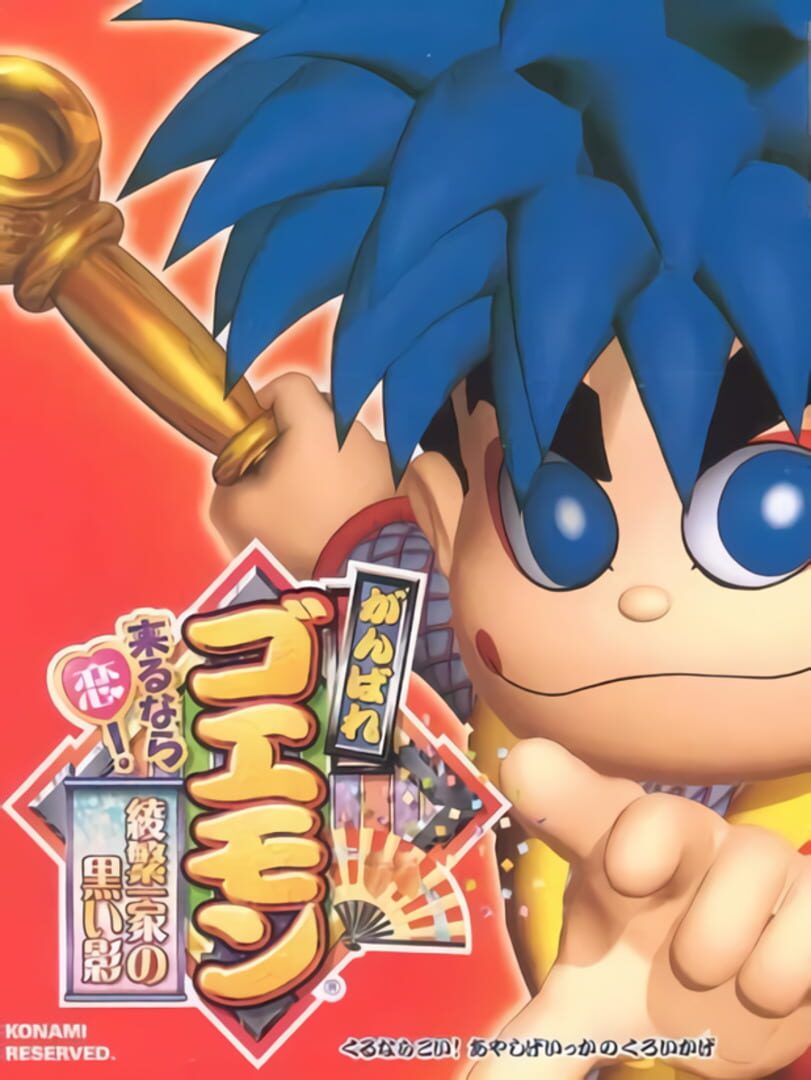

Ganbare Goemon: Kuru Nara Koi! - Ayashi Geikka no Kuroi Kage is a Ganbare Goemon game released for the PlayStation on December 23, 1998. Developed and published by Konami in Japan. It was released alongside Goemon's Great Adventure for the Nintendo 64. It was the second game in the series released for the PlayStation and also the second game in 3D, following Mystical Ninja Starring Goemon. The game plays from a top-down view and introduces a kick move to each character's repertoire of techniques.The game is played from a semi-isometric, fixed third person perspective, within a fully polygonal engine. Levels are divided between platforming stages and neutral zones in which you can talk to characters, buy items, etc. As in other Ganbare Goemon games you have to use each character's individual skills to complete specific objectives in order to advance the game's plot, and each character now also get their "impact" giant mecha, which they must use in specific sequences. Combat has been revamped in order to include a fighting game style combo system, and as par for the series, numerous minigames are sprinkled in the game between stages and in special locations.
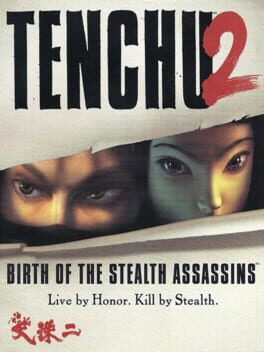
Tenchu 2 is a prequel to Tenchu, telling a tale of events prior to those of the previous game. Once again, you can play as Ayame or Rikimaru, two faithful and honorable ninja whose lord is a gentle man in an age of warfare. With your training nearly complete, you find yourself caught up in aiding your lord against a civil war in his own domain. All is not what it seems, however, and you'll soon realize that your greatest threat has been forged much like you. Much like its predecessor, Tenchu 2 is a 3D third person stealth action game. You are not only rewarded for stealth, but also for efficiency of movement this time. This extra feature increases the difficulty of achieving the better items, as you not only have to be quiet, but be direct and near perfect in your steps.

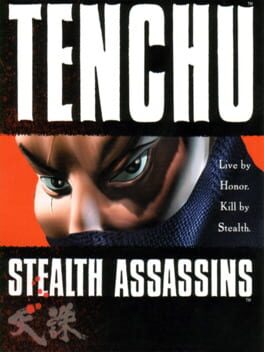
Tenchu: Stealth Assassins is an action-adventure stealth game developed by Acquire and published by Sony Music Entertainment Japan in Japan and Activision worldwide for the PlayStation in 1998. Tenchu is known for its stealth gameplay and the eerie settings of feudal Japan. Tenchu was one of the first ninja games to incorporate stealth, a very crucial aspect of ninjutsu. However, aside from featuring traditional martial arts in battles, the game incorporates elements of historical fantasy and Japanese mythology. The game also used motion capture, where actor/martial artist Sho Kosugi and his son Kane were hired as actors for the game's combat moves.

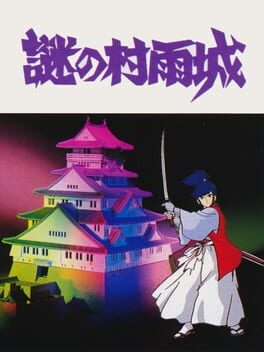
Restore peace to a land that has been overridden by evil! One stormy night in feudal Japan, a mysterious force begins to take control over Murasame Castle and its lands. Each lord in four neighboring castles has taken possession of a dark sphere of power, allowing them to summon ninja armies and monsters that wreak havoc in the villages. Takamaru, a brave and young samurai apprentice, has been sent to investigate. He must infiltrate all four castles and defeat the lords before making his way to Murasame Castle. Use sword and shuriken attacks against the swarms of enemies, and unlock the secret behind the source of evil. The game was at first released exclusively for the Famicom in Japan, but it would come to the rest of the world for the first time in 2013 as part of the 3DS virtual console, as well as for Nintendo Switch Online in 2023.

Platform / Hack and slash/Beat 'em up / Adventure / Action / Fantasy
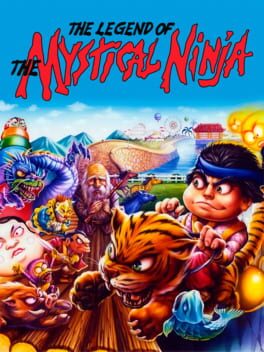
The Legend of the Mystical Ninja is a light-hearted action-adventure game for 1-2 players by Konami, and was released for the Super Nintendo Entertainment System in 1991. It is the first game in the Japanese video game series Ganbare Goemon to have a Western release. It underwent several changes compared to its Japanese counterpart Ganbare Goemon: Yukihime Kyuushutsu Emaki. The protagonists were renamed for the Western release, and some content was altered to comply with Nintendo’s strict censorship policies at the time, such as the removal of certain characters and cutscenes.

Platform / Adventure / Action / Stealth
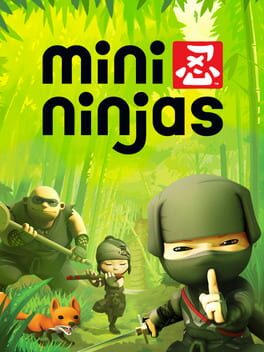
Mini Ninjas is a game that combines furious action with stealth and exploration for an experience that appeals to a wide audience across age groups and preferences. It’s an action-adventure with a strong focus on allowing the player freedom to explore the world and has the depth to allow for very varied gameplay and approaches to getting through the game.

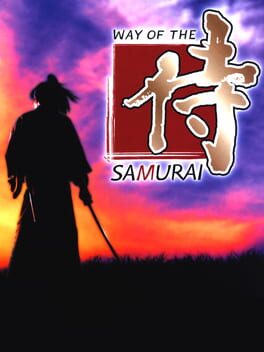
In 1878, the collapse of the Tokugawa Shogun Age and the rise of the Meiji Restoration Era brought an end to the Age of Samurai. Way of the Samurai puts you in the role of a wandering samurai who is drawn into a conflict between the Kurofu family and the Akadama Clan over an iron foundry. As you meet with both sides of the dispute, you can use deception, betrayal, or combat to shape the outcome of the conflict. Pick up dozens of different swords, each representing a different fighting style.


Fighting / Hack and slash/Beat 'em up / Adventure / Action / Fantasy
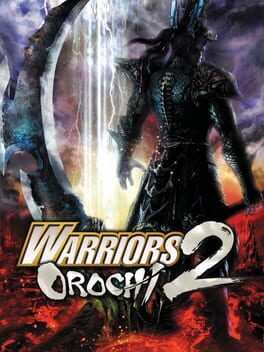
Warriors Orochi 2 is a 2008 video game developed by Koei (now Tecmo Koei) and Omega Force for the PlayStation 2. It is the sequel to Warriors Orochi, a crossover video game of the Dynasty Warriors and Samurai Warriors series. The game was released on September 23 in North America and September 19 in Europe. A version for the Xbox 360 was released on September 4, 2008 in Japan, and alongside the PS2 releases in North America and Europe. A PlayStation Portable version has been released in Japan, North America and Europe.