Screenshots
Featured in
Role-playing (RPG) / Turn-based strategy (TBS) / Adventure / Action / Fantasy
Pokémon White Version 2 and Pokémon Black Version 2 are the second and final paired versions of Generation V and are the sequels of Pokémon Black and White, respectively. Both games were revealed on Pokémon Smash! by Junichi Masuda, and subsequently the official Japanese and international Pokémon websites, on February 26, 2012. They were released in Japan on June 23, 2012, in North America on October 7, 2012, in Australia on October 11, 2012, in Europe on October 12, 2012 and in South Korea on November 8, 2012. The games feature two new forms of Kyurem that serve as the game mascots of the games: Black Kyurem for Black 2 and White Kyurem for White 2.
Role-playing (RPG) / Turn-based strategy (TBS) / Adventure / Action / Fantasy
Pokemon Stranded departs from traditional Pokemon games in a number of ways. To begin with, there are no Gyms or traditional Pokemon Trainers, no badges, no Pokemon Centers or Marts, and so forth. In addition, the game’s main story will be relatively short and straightforward, but there will be thousands of side stories to follow along the way. The majority of game updates will focus on adding new side quests.
Role-playing (RPG) / Adventure / Indie / Action / Fantasy
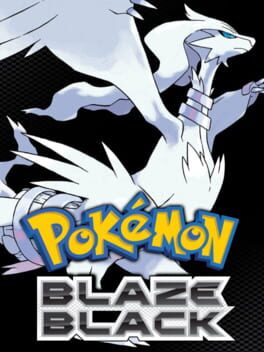
Pokémon Blaze Black and Pokémon Volt White are edits of the regular Pokémon Black and White versions which self-contain all 649 Pokémon, allowing a player a large amount of variety. In addition, BB/VW also have edited trainers, an increased difficulty level, improvements to many Pokémon and more.
Role-playing (RPG) / Adventure / Indie / Action / Fantasy
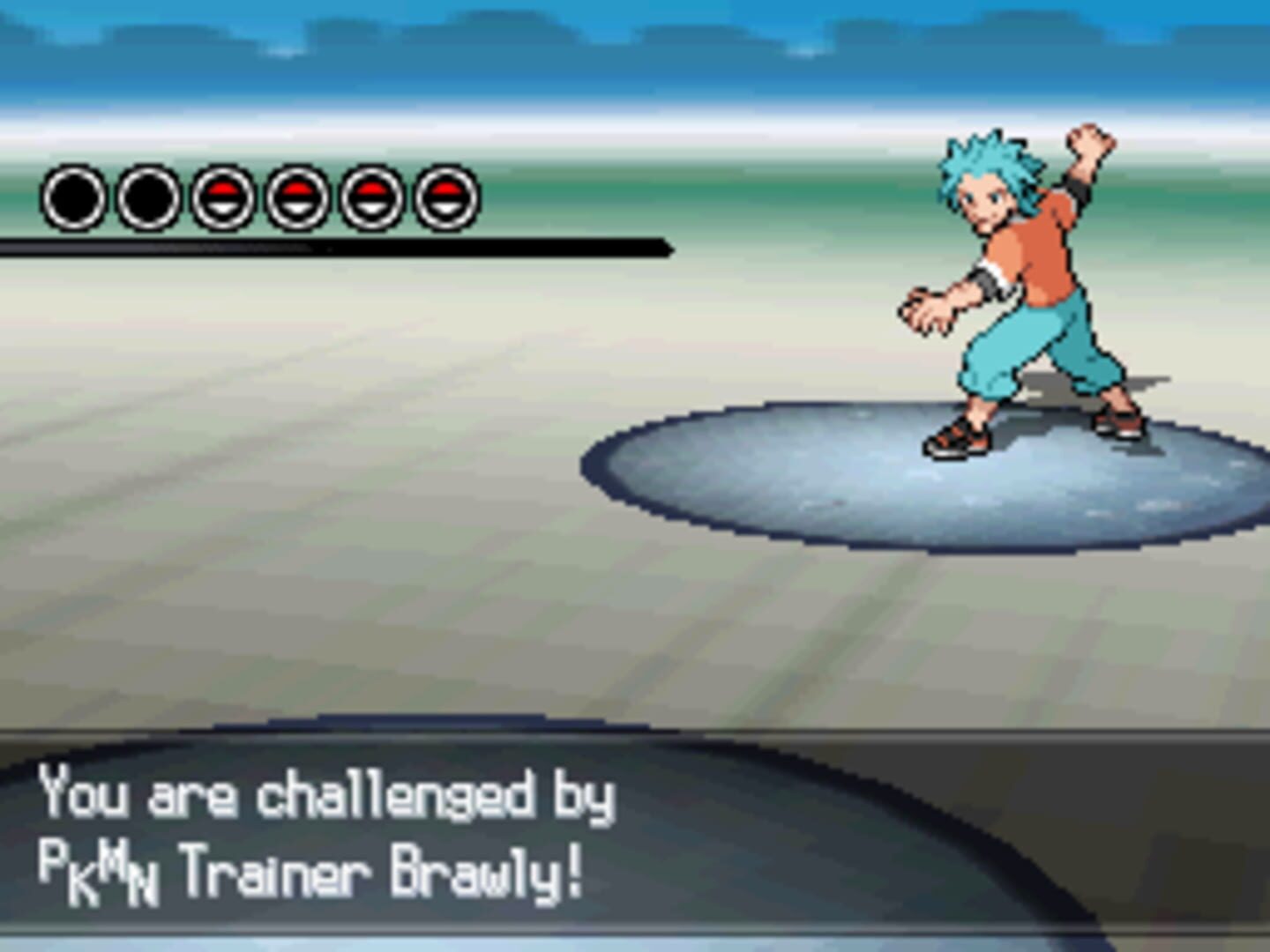
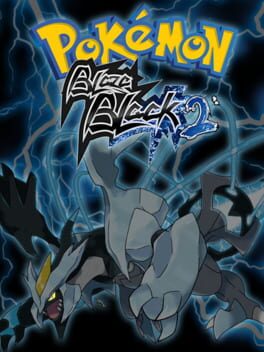
Pokémon Blaze Black 2 & Pokémon Volt White 2 are essentially the sequels to the Black & White hacks known as Blaze Black and Volt White. The main feature is that all 649 Pokémon are available for capture somewhere in the game, and the trainers have all had their rosters changed in order to maintain a much harder challenge than the original game, as well as having an increased variety of opponents to fight. There's also a large amount of alternative features these hacks offer, which range from differences to the Pokémon themselves to the presence of a couple new TMs. Additionally, the two versions only differ in terms of their aesthetic differences, such as the appearance of Opelucid City, the title screen, etcetera. So basically, just pick whichever colour takes your fancy!
Role-playing (RPG) / Turn-based strategy (TBS) / Adventure / Action / Fantasy
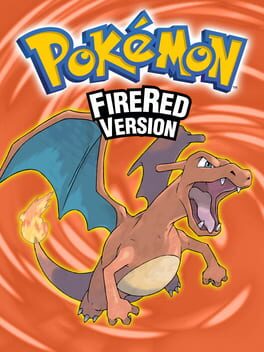
Pokémon FireRed Version and Pokémon LeafGreen Version are a pair of core series Generation III games that are set in the Kanto region. They were released in Japan on January 29, 2004, in North America on September 9, 2004, in Australia on September 23, 2004 and in Europe on October 1, 2004. As the first remakes in the Pokémon franchise, the games revisit the original pair of Pokémon games, Pokémon Red and Green Versions, and so feature all of the characters, plot elements, and challenges of them, but with several important upgrades to bring them up to speed with other Generation III games. The Game Boy Advance Wireless Adapter was initially included with the games when they were first released, eliminating the need for Game Link Cables when trading between the two games (and later Pokémon Emerald Version). In later copies, it was sold separately. FireRed and LeafGreen went on to become the second best-selling games of the Game Boy Advance, only behind Pokémon Ruby and Sapphire Versions. They also received Nintendo's Player's Choice awards.
Role-playing (RPG) / Turn-based strategy (TBS) / Adventure / Action / Fantasy
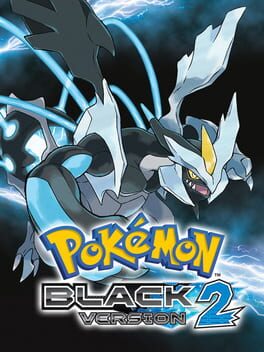
Pokémon Black Version 2 and Pokémon White Version 2 are the second and final paired versions of Generation V and are the sequels of Pokémon Black and White, respectively. Both games were revealed on Pokémon Smash! by Junichi Masuda, and subsequently the official Japanese and international Pokémon websites, on February 26, 2012. They were released in Japan on June 23, 2012, in North America on October 7, 2012, in Australia on October 11, 2012, in Europe on October 12, 2012 and in South Korea on November 8, 2012. The games feature two new forms of Kyurem that serve as the game mascots of the games: Black Kyurem for Black 2 and White Kyurem for White 2.

Role-playing (RPG) / Turn-based strategy (TBS) / Adventure / Action / Fantasy
Pokémon LeafGreen Version and Pokémon FireRed Version are a pair of core series Generation III games that are set in the Kanto region. They were released in Japan on January 29, 2004, in North America on September 9, 2004, in Australia on September 23, 2004 and in Europe on October 1, 2004. As the first remakes in the Pokémon franchise, the games revisit the original pair of Pokémon games, Pokémon Red and Green Versions, and so feature all of the characters, plot elements, and challenges of them, but with several important upgrades to bring them up to speed with other Generation III games. The Game Boy Advance Wireless Adapter was initially included with the games when they were first released, eliminating the need for Game Link Cables when trading between the two games (and later Pokémon Emerald Version). In later copies, it was sold separately. FireRed and LeafGreen went on to become the second best-selling games of the Game Boy Advance, only behind Pokémon Ruby and Sapphire Versions. They also received Nintendo's Player's Choice awards.
Role-playing (RPG) / Turn-based strategy (TBS) / Adventure / Action / Fantasy
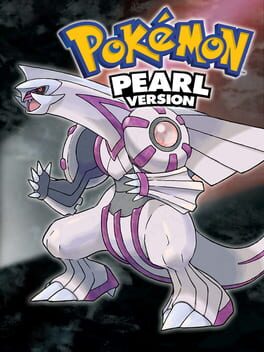
Pokémon Pearl Version and Diamond Version are role-playing games (RPGs) developed by Game Freak and published by Nintendo for the Nintendo DS. With the enhanced remake Pokémon Platinum, the games comprise the fifth installment and fourth generation of the Pokémon series of RPGs. First released in Japan on September 28, 2006, the games were later released to North America, Australia, and Europe over the course of 2007. Like previous Pokémon games, Diamond and Pearl chronicle the adventures of a young Pokémon trainer as he/she trains and battles Pokémon while also thwarting the schemes of a criminal organization. The games add many new features, such as Internet play over the Nintendo Wi-Fi Connection and changes to battle mechanics and Pokémon Contests, along with addition of 107 new Pokémon. The games are independent of each other but feature largely the same plot and while both can be played separately, it is necessary to trade between them in order to complete the games' Pokédexes.