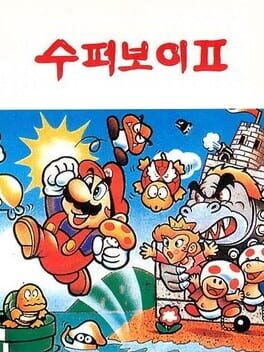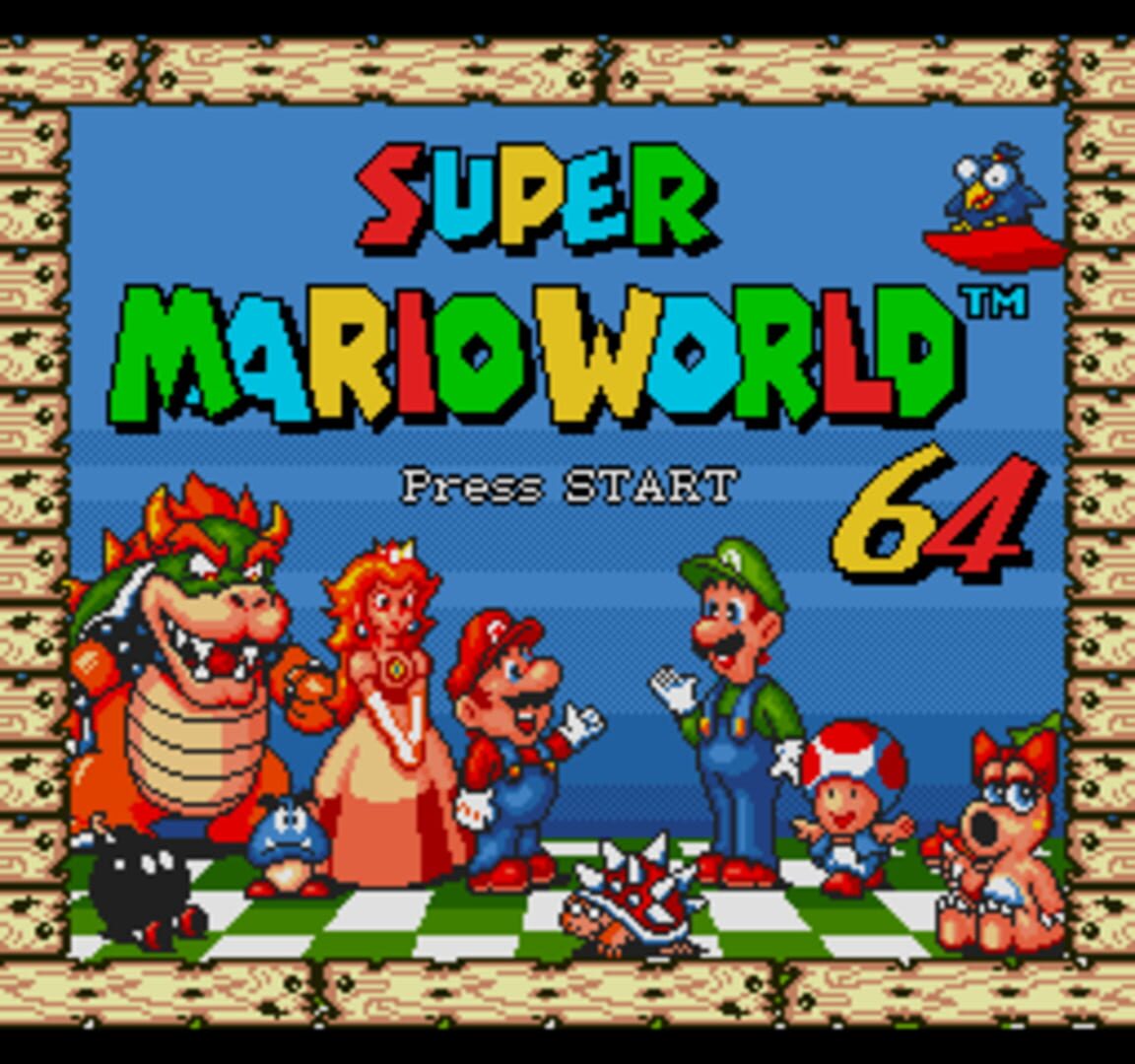
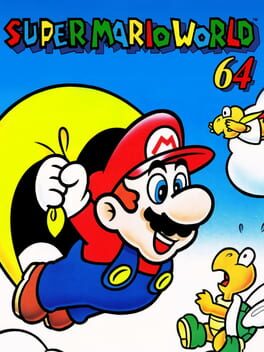

Super Mario World 64 is a bootleg port of the SNES game Super Mario World developed by an unknown developer and released in 1997. The game reuses music from various other games, most infamously from Jeopardy.
Mario is in Dinosaur Land and Princess Toadstool is missing again. It looks like Bowser is behind this again.

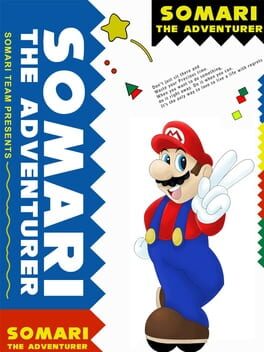
Somari is a side-scrolling platform video game, originally released in 1994 for the Famicom. An unlicensed port of Sega's 1991 Sega Genesis game Sonic the Hedgehog, the game was sold primarily around Asia, Russia, and other regions where pirate NES cartridges were distributed. Like the original, players venture to defeat the mad scientist Doctor Robotnik, who plots to turn the animal population of the fictional South Island into evil robots. Unlike the original, the game features Nintendo's mascot Mario as the main character rather than Sonic. The title is a portmanteau of "Sonic" and "Mario".

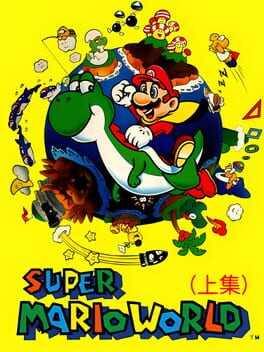
Super Mario World (超級馬里奧世界) is a bootleg port of the SNES launch title of the same name (Super Mario World) developed by Hummer Team and released in 1995. This is one of the more well-known examples of bootleg ports to the Famicom, as it comparatively manages to retain most of the original SNES game's elements.

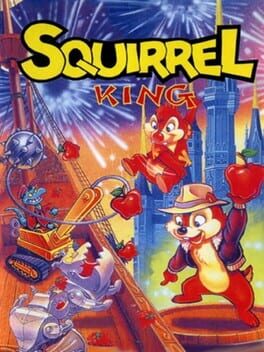
Squirrel King is an unlicensed platform game developed for the Sega Mega Drive. It was published and developed by Gamtec, and therefore its origin is Taiwan. Squirrel King is extremely similar to Capcom's Chip 'N Dale: Rescue Rangers and it sequel, Chip 'N Dale: Rescue Rangers 2 for the NES, to the point where the player actually plays as two characters named "Chip" and "Dale" (though they look slightly different to their Disney counterparts). C jumps, B picks up and throws crates, and A allows Chip or Dale to throw fireballs, assuming they have some in their inventory. Squirrel King is the basis for another unlicensed title, Super Mario World, also for the Mega Drive,but developed by Chuanpu and possibly published by Ming Super Chip Electronic.

Super Bubble Bobble is a platform game, replicating the gameplay and levels of Bubble Bobble, with each level being a single screen. The enemies must be cleared from a level to go on to the next one. With one player controlling Bub and the other controlling Bob, the player can jump and collect items for points. Bub and Bob must blow bubbles. These bubbles can be as platforms to leap on, or to trap enemies. Enemies trapped in a bubble must be popped by jumping into them, wherein they'll turn to fruit. These fruits must be collected! Additionally, power-ups sometimes float by in bubbles. They include lightning, which flies out horizontally at enemies, and water, which drags the player and enemies straight down flowing over platforms.

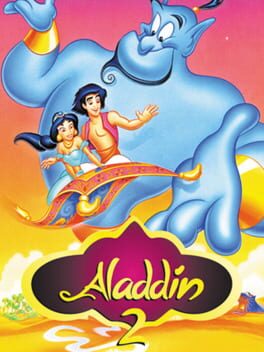
Aladdin II is an unlicensed Mega Drive port of the SNES version of Disney's Aladdin, originally made by Capcom in 1993. It might have been developed by ex-workers from Chuanpu Technology and was likely published by X Boy. This port can be considered the "opposite" of Aladdin 2000, a port of Virgin's Aladdin for the SNES.

Platform / Hack and slash/Beat 'em up / Action
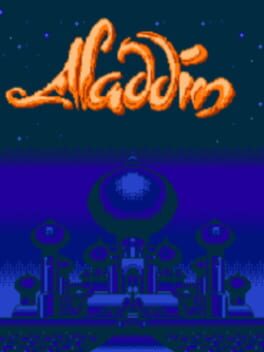
Aladdin is a Famicom port of the Sega Mega Drive game of the same name, made by Super Game and published by Realtec.

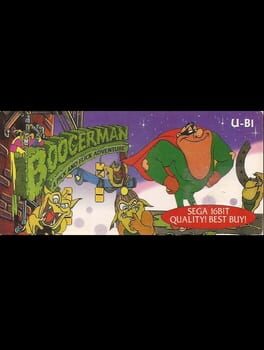
Super Boogerman is a Famicom port of Boogerman: A Pick and Flick Adventure, originally released for Sega Mega Drive and Super Nintendo. It was produced by Super Game and published by Realtec. The game is a recreation of the original Boogerman, but is considerably less faithful than Boogerman II: The Final Adventure, with a mixed-up level order and severely limited abilities for the player, which is compensated for by providing infinite ammo. Like many of Super Game's other bootlegs, this game has no ending; after the player defeats the third boss, the game merely resets.