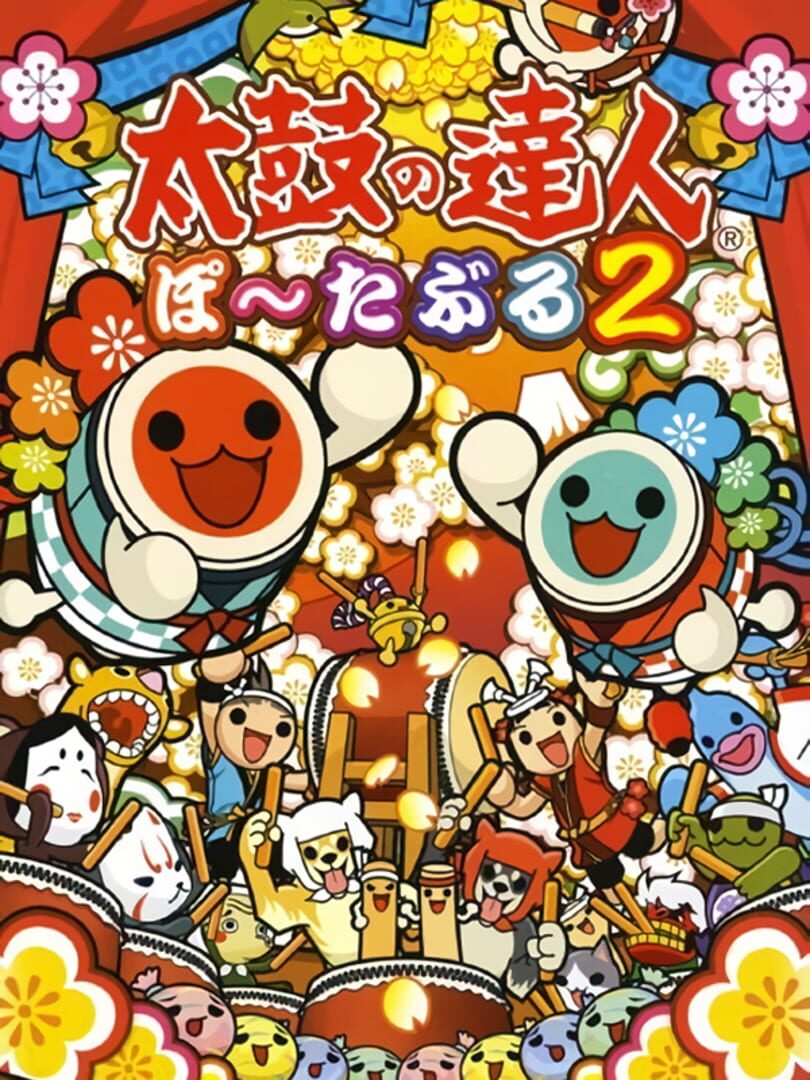
Taiko no Tatsujin Portable 2 is the sequel to Namco's popular music game. This time, a total of up to 62 are included, as well as a "Story Mode" where one progresses by playing rhythm games. Also 4 minigames different from those of the predecessor are newly added. Beginner Dojo becomes Japanese Taiko Classroom, where one can try their hand at more difficult scores. While the newly added Donko Mode allows beginners and children, who are not used to controlling don and katsu, to also fully enjoy the fun of beating the taiko. Taiko no Tatsujin Portable 2 can be played cooperatively and communication battle, and also supports game sharing function. For the four minigames, two can be played via communication battle as well.

Rhythm Heaven puts the music in your hands and some rhythm in your life. Let the music move you as you tap and slide your stylus on the touch screen to the beat of more than 50 musical rhythm games. The controls are as natural as tapping your finger to music.

A rhythm-action game like no other from the same team that created WarioWare. Rhythm Tengoku contains 48 minigames that put your rhythm to the test in a variety of crazy scenarios. Rhythm Tengoku was developed by Nintendo R&D1 and released exclusively in Japan for the GBA in 2006 and in arcades with Sega's help in 2007. Being developed by the same studio responsible for the WarioWare games, Rhythm Tengoku mixes the mini-game based gameplay with rhythm game elements, featuring unusually high-quality music for a GBA game. The game started development in 2004. A 2002 prototype for a GBA drum sequencer was incorporated into Rhythm Tengoku as well: the player can freely drum within the Sound Test or take on 19 drum lessons. (Source) The game contains eight stages with five rhythm games and one remix of the previous five each, adding up to 48 different mini-games total. Each game can be completed without hitting every note perfectly, although doing so will unlock various rhythm-related bonus games and modes, such as a drum set where you have to mimic what the drummer does. Much like the Wario Ware series of games, Rhythm Tengoku is all about following your senses and trying to be aware of various cues in the visuals and audio. This emphasis on sense instead of language makes it quite easy for anyone to pick up and play, even though the game is entirely in Japanese (and consequently only available in the Asian region or through an import website). For example, one of the game's levels has you rapping with a computer-controlled character. He'll speak a colour-coded Japanese phrase, and the player must press 'A' in different rhythms. Although the game explains what rhythms to do for which phrase, non-Japanese speaking players can watch hand movements on-screen to figure it out without the need for language. Occasionally, challenges will crop up, asking you to complete a level without any mistakes. Doing so earns you a certificate for that level, and a pink heart with a 'P' on it appears in that level's description.
Music / Simulator / Comedy / Kids
The only Dance Dance Revolution release for the N64, DDR: DDM is intended for children to play. As always, your goal is to jump to the right arrows at the right time. When you are dancing, familiar Disney characters dance along in the background. Some of the songs are Disney-related, others are Japanese as this was a Japan-only release. The game requires the dance pad to play.

Portable DX (Deluxe) comes 5 whole years and 6 Nintendo console releases after the release of the last PSP Taiko, Portable 2. The total number of initial songs is 70, and with the additional downloadable songs thereafter (like every Taiko PSP has done), it matches the massive songlists introduced on the Wii. Like the other recent games, the songlist has become a lot more geared towards Namco Originals. Portable DX is also the first console Taiko to show the total number of drumrolls made in the song, and the second console Taiko game to introduce the all new Ura Oni difficulties. Other new mechanics in the game include organizing almost all unlockables in the game into an Achievement list, and a mode called Medley Mode, in which three, five, or eight different songs are put together and played all at once. Two new gameplay modifiers were also added into the game, which randomize the notes to different degrees. The Bell note has been removed from this release and the vestigial function of the analog stick is to produce sounds for fun. ()


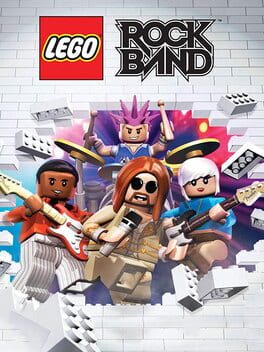
LEGO Rock Band is a blending of Rock Band and LEGO series. Players get to start a band and hire band members who will play with them. Just like with real Lego, players can mix and match bodies, torsos, legs and heads to create a character any way they want. The main game has players touring around the world at various locations, like the original Rock Band games. Unlike Rock Band however, LEGO Rock Band also has special levels where you must perform outrageous tasks such as fighting an octopus or demolishing a building using your rock concert. As players make their way through the song lists, they earn "Studs", the game's currency. Studs can be used to purchase Lego items to decorate your Rock Den, hire new staff, buy new clothes or instruments.

A compilation of both Pinky Street DS games.