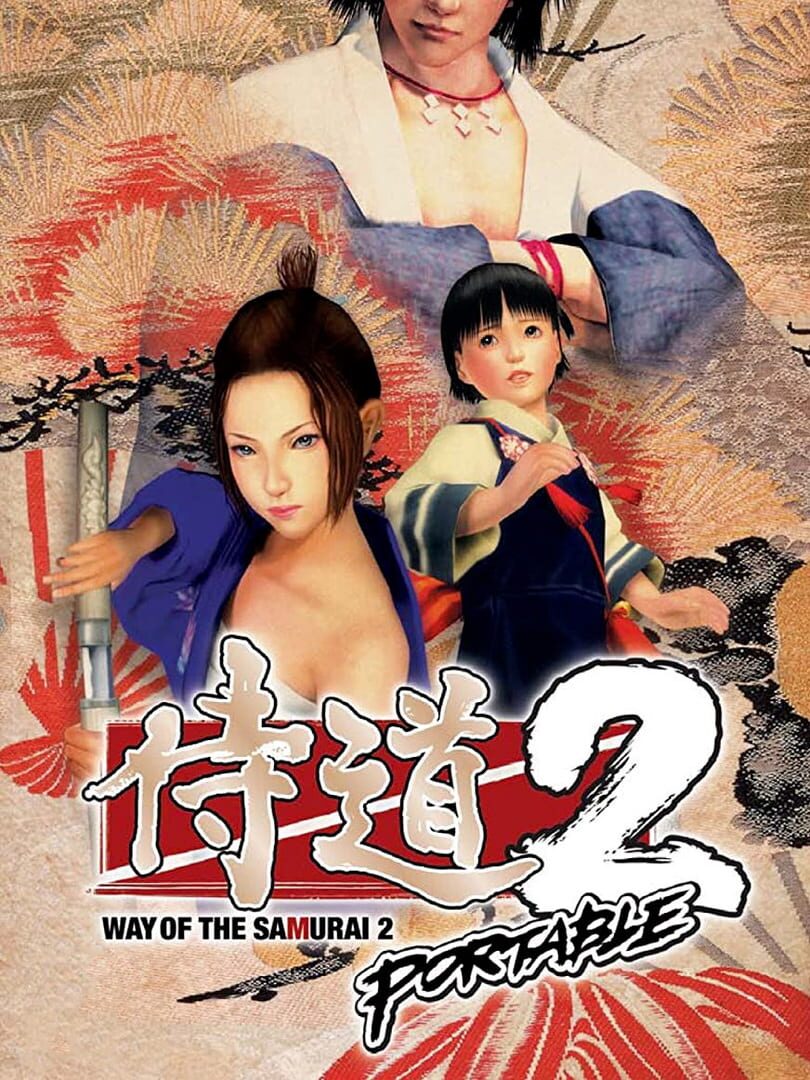
A Japan only PlayStation Portable entry into the beloved Way of the Samurai series developed by Spike
Featured in
A Japan only PlayStation Portable entry into the beloved Way of the Samurai series developed by Spike
Fighting / Hack and slash/Beat 'em up / Adventure / Action / Fantasy
Warriors Orochi 2 is a 2008 video game developed by Koei (now Tecmo Koei) and Omega Force for the PlayStation 2. It is the sequel to Warriors Orochi, a crossover video game of the Dynasty Warriors and Samurai Warriors series. The game was released on September 23 in North America and September 19 in Europe. A version for the Xbox 360 was released on September 4, 2008 in Japan, and alongside the PS2 releases in North America and Europe. A PlayStation Portable version has been released in Japan, North America and Europe.
Tenchu 2 is a prequel to Tenchu, telling a tale of events prior to those of the previous game. Once again, you can play as Ayame or Rikimaru, two faithful and honorable ninja whose lord is a gentle man in an age of warfare. With your training nearly complete, you find yourself caught up in aiding your lord against a civil war in his own domain. All is not what it seems, however, and you'll soon realize that your greatest threat has been forged much like you. Much like its predecessor, Tenchu 2 is a 3D third person stealth action game. You are not only rewarded for stealth, but also for efficiency of movement this time. This extra feature increases the difficulty of achieving the better items, as you not only have to be quiet, but be direct and near perfect in your steps.
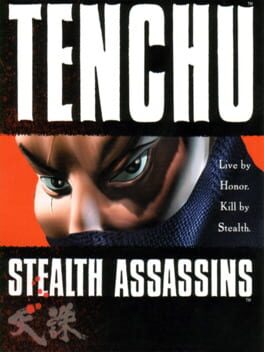
Tenchu: Stealth Assassins is an action-adventure stealth game developed by Acquire and published by Sony Music Entertainment Japan in Japan and Activision worldwide for the PlayStation in 1998. Tenchu is known for its stealth gameplay and the eerie settings of feudal Japan. Tenchu was one of the first ninja games to incorporate stealth, a very crucial aspect of ninjutsu. However, aside from featuring traditional martial arts in battles, the game incorporates elements of historical fantasy and Japanese mythology. The game also used motion capture, where actor/martial artist Sho Kosugi and his son Kane were hired as actors for the game's combat moves.
Hack and slash/Beat 'em up / Adventure / Action / Fantasy
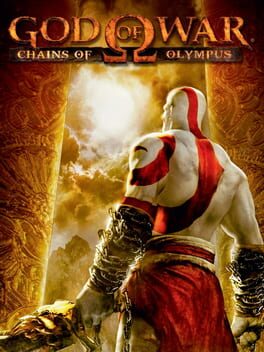
Kratos makes his inaugural appearance on a portable gaming platform in the third instalment of the God of War series. Chains of Olympus serves as a prequel, unfolding its narrative a decade before the events in the original God of War. While retaining the familiar gameplay dynamics of its predecessors, subtle modifications enhance the overall experience. Kratos embarks on a journey through various levels, engaging in relentless combat against foes and formidable bosses, deciphering puzzles based on manipulating boxes, and participating in quick-time events. Throughout his odyssey, he amasses red orbs to fortify his weapons and abilities, secures Gorgon eyeballs to augment his health, and acquires Phoenix feathers to amplify his magical prowess. The game's controls underwent refinement to harmonize with the reduced button configuration of the PSP. Dodging, for instance, now necessitates the utilization of both shoulder buttons and the analogue stick. The iconic Blades of Chaos, synonymous with the God of War series, make a return, accompanied by an array of new weapons and magical spells such as the Sun Shield, Efreet spell, and Light of Dawn. The narrative unfolds as the Gods dispatch Kratos to the city of Attica, charging him with the defence against an encroaching Persian army. However, as Morpheus unleashes chaos, Kratos finds himself compelled to harness his formidable powers to once again rescue the world from impending doom.
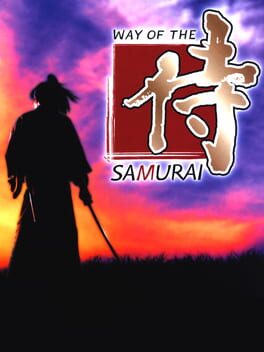
In 1878, the collapse of the Tokugawa Shogun Age and the rise of the Meiji Restoration Era brought an end to the Age of Samurai. Way of the Samurai puts you in the role of a wandering samurai who is drawn into a conflict between the Kurofu family and the Akadama Clan over an iron foundry. As you meet with both sides of the dispute, you can use deception, betrayal, or combat to shape the outcome of the conflict. Pick up dozens of different swords, each representing a different fighting style.
Platform / Adventure / Action / Fantasy
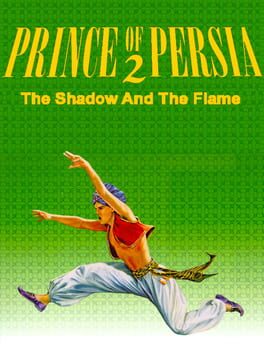
Prince of Persia 2: The Shadow and the Flame is a platform game released as the sequel to 1989's Prince of Persia. Prince of Persia 2 was published for MS-DOS and ported to Macintosh, Super NES, and FM Towns – a much shorter list of platforms than the first game. It was also available as a bonus that unlocks in the Xbox NTSC version of Prince of Persia: The Sands of Time.
Fighting / Role-playing (RPG) / Adventure / Action / Fantasy
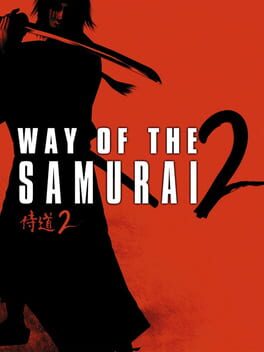
As a peaceful town becomes victim to extreme violence and unrest, a Samurai arrives with the ability to change the town's destiny. In Way of the Samurai 2, you'll take on the role of the Samurai in feudal Japan and battle to save the town of Amahara. Now you can experience traditional Samurai techniques, with realistic swordfighting moves and more than 60 powerful swords. Whether you free the innocent or join the corrupt, your decisions affect the game's ending.
Fighting / Strategy / Hack and slash/Beat 'em up / Action / Fantasy
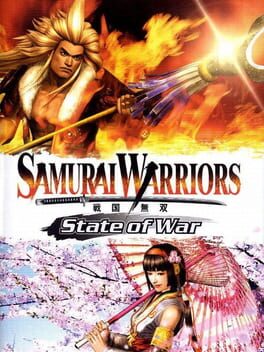
Samurai Warriors: State of War is a portable version of Samurai Warriors, however, it is not a straight conversion and is made to more resemble Dynasty Warriors, giving it an "Samurai Warriors Empires" style of playing. The gameflow is mainly separated into two stages: the Strategy phase and the Action phase. During the first stage, the map is separated into colored squares and the player is asked to move their character in a turn-based fashion. Terrain affects how the player can act during this stage. What usually follows is the action phase, which asks the player to defeat as many opponents possible within 60 seconds. These stages can tip the battle in the player's favor. There are four main armies for the player to participate in: the Takeda (Western), Uesugi (Eastern), Nobunaga, or the solo army. Completing the game with these four factions unlocks the final stage in the game. It guest stars characters from Dynasty Warriors 4. The game features a Story mode, Free mode and VS mode.