
Developed by Media.Vision for Sony Computer Entertainment.
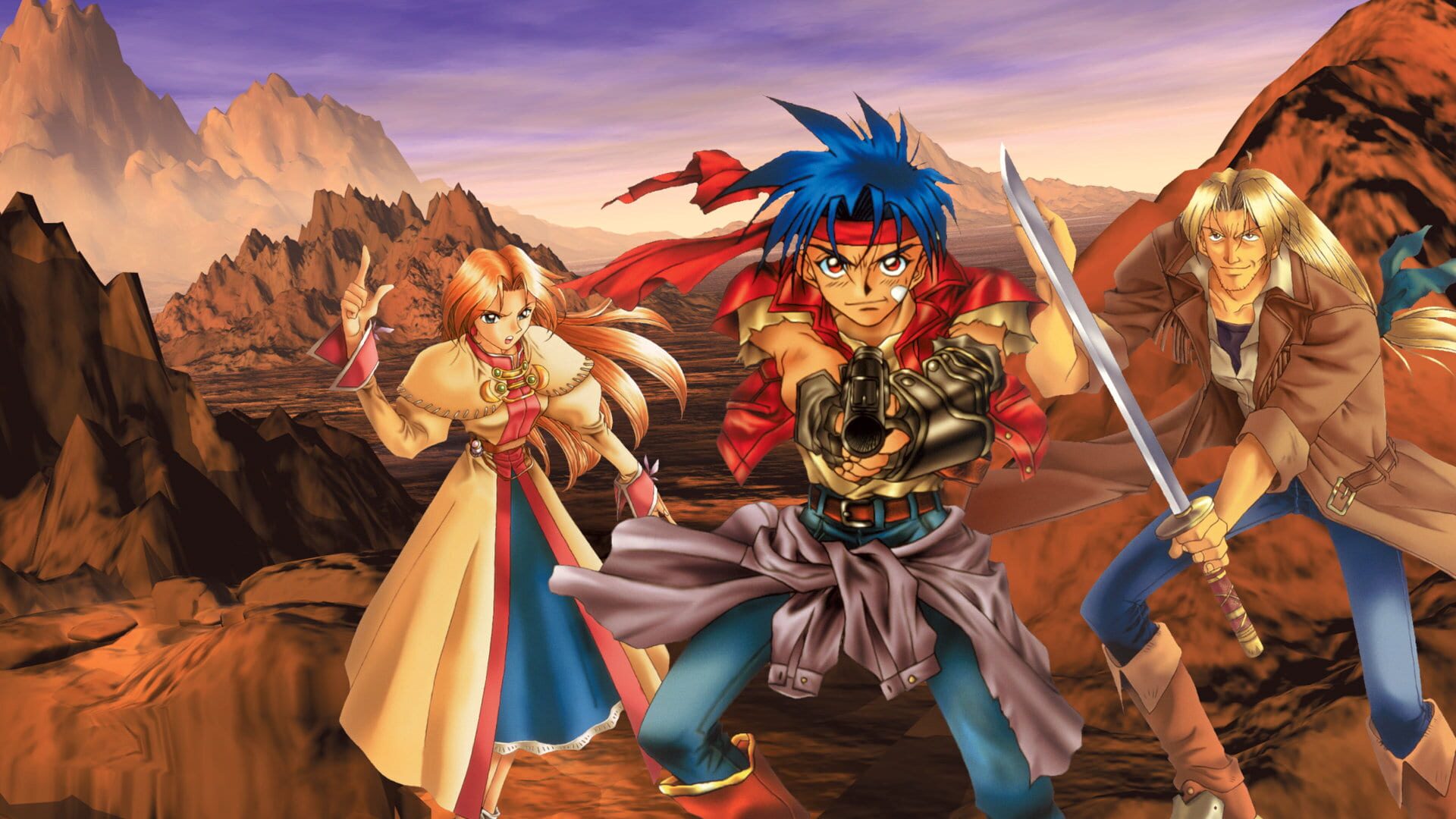
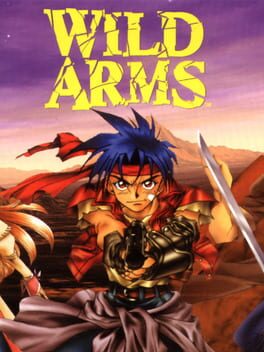
Wild Arms is a Western-themed role-playing video game developed by Japanese software company Media.Vision. Originally released in Japan in 1996 for the Sony PlayStation video game console, it was later translated and released in North America in 1997 and Europe in 1998 by Sony Computer Entertainment. It is noteworthy for not only being one of the first role-playing video games on the PlayStation, but also one of the few to feature a Western American setting and motif. The game features 2D computer graphics for normal gameplay, while battle sequences are rendered in 3D.
Taking place in the fantasy world of Filgaia, Wild Arms follows the adventures of a band of miscreants and adventurers called Dream Chasers who scour the world in search of excitement and fortune. The player assumes control of a young boy named Rudy who has the ability to operate powerful weapons called Ancient Relic Machines (ARMs), forbidden remnants of a lost age that resemble guns. Along with his companions Jack and Cecilia, the group must use their respective skills to navigate through the vast wastelands and dungeons of Filgaia and prevent an otherworldly threat from reviving their lost leader and destroying the world
Role-playing (RPG) / Strategy / Fantasy
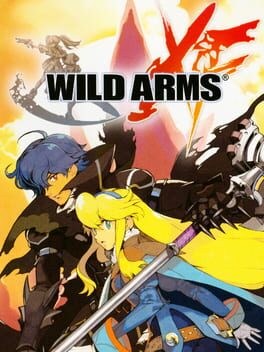
Wild Arms XF is a 2D turn-based tactical role-playing game, creating a gameplay experience somewhere between Dungeons & Dragons and chess. Players are given control of a small squad of characters (six or less) and placed on a grid-based map resembling a geographical location (a swamp, a town, a river), upon which they fight battles to progress through the game. As with most T/RPGs, positional advantage can be critical to victory, and players are encouraged to outmaneuver their enemies as well as outgun them. The game emphasizes positioning and maneuvering by the inclusion of "Formation Arts," which increase attack damage when an enemy is surrounded by your characters in a line, a triangle or a circle. Wild Arms XF is a member of the small subsection of T/RPGs whose battlefields are based around hexagonal tiles instead of squares. "Combination Arts" return from previous Wild ARMs titles, allowing characters to target an enemy in a waiting state and then deliver their attacks simultaneously with the next ally to attack their target. If the player succeeds in executing an uninterrupted series of commands, the damage inflicted upon enemies will increase significantly. On the other hand, the enemy gets the same advantage.

Role-playing (RPG) / Adventure / Card & Board Game / Fantasy / Science fiction
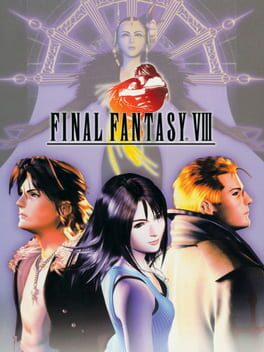
Final Fantasy VIII is the eighth main installment in the Final Fantasy series. The gameplay makes a departure from many series standards. While it still uses the Active Time Battle system, it deviates from the series' traditional means of boosting a character's power via leveling, although levels are not completely abandoned as they were in Final Fantasy II. In addition, it does not have a Magic Point-based system for spell-casting. Instead, magic is collected, drawn, and created from items, and is used to power up the characters via the junction system.

Role-playing (RPG) / Adventure / Fantasy / Drama
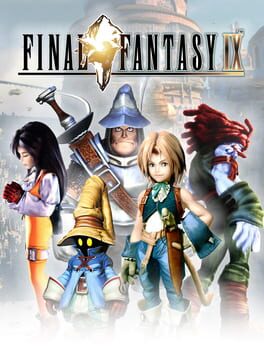
Final Fantasy IX is the ninth main installment in the FF series. The title is a return to the series's roots, with gameplay features and references to the past games featuring throughout, as well as a medieval fantasy setting and cartoonish art style as a break from the sci-fi slant style of Final Fantasy VII and Final Fantasy VIII.

Role-playing (RPG) / Adventure / Fantasy / Sandbox
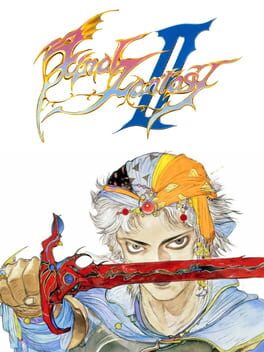
Final Fantasy II is the second installment in the Final Fantasy series, developed and published by Squaresoft. It was directed by Hironobu Sakaguchi, with Yoshitaka Amano designing the characters and Nobuo Uematsu composing the score. It was notable for being one of the first story-intensive RPGs released for console systems, and introducing many series staples, including chocobos and a character named Cid. Its story is unrelated to the original FINAL FANTASY, and its gameplay is a major departure from the previous title for eliminating the traditional experience-based progression system.

Role-playing (RPG) / Adventure / Fantasy
Final Fantasy VI is the sixth main installment in the Final Fantasy series, developed and published by Square. It was the final title in the series to feature two-dimensional graphics, and the first story that did not revolve around crystals. The game gives players up to fourteen playable characters, the largest cast in the series, and features the Active Time Battle pseudo-turn based menu command system. A party can consist of up to four characters, though some events require the player to assemble three different parties of up to four and switch between them. Each character has a unique command ability, such as Terra's Trance, Locke's Steal, Edgar's Tools or Sabin's Blitz, and can also learn Magic spells from earning AP from battles with magicite equipped. Each character's rare Desperation Attack will randomly activate after using the Attack command when at critical health.

Role-playing (RPG) / Sport / Fantasy / Historical
Dragon Quest VI did not receive an enhanced remake on a console until the Nintendo DS. The Dragon Quest VI enhanced remake for the Nintendo DS was announced in late 2007 by Square Enix and was developed by ArtePiazza. A handful of changes were made to the game, some remaining controversial among fans.

Puzzle / Role-playing (RPG) / Fantasy / Science fiction
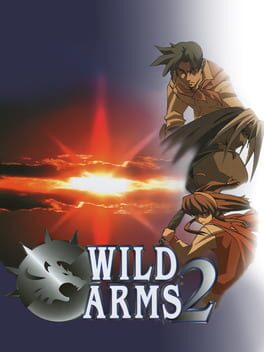
Wild Arms 2 is not a direct sequel to the first Wild Arms, although it is set in the same fictional world Filgaia, which combines elements of Old West, steampunk, and fantasy. The turn-based combat system against randomly appearing enemies resembles that of the predecessor, featuring techniques unique to each character, as well as the Guardian system, which allows the characters to summon powerful creatures to assist them in battles. Three combatants can be used actively in battles; the player can also switch any of them with a reserve character, up to six altogether.

Role-playing (RPG) / Turn-based strategy (TBS) / Adventure / Fantasy / Open world
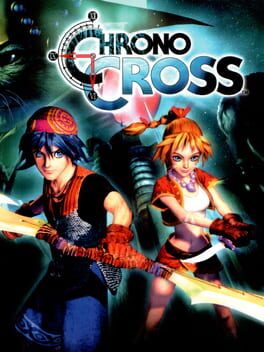
CHRONO CROSS, the sequel to the SNES favorite CHRONO TRIGGER, is one of the most ambitious role-playing games ever made. There are over 40 playable characters, each with their back-story, special moves, abilities, and weapons. The story spans two discs and follows the story of Serge, a young man who is able to cross dimensions. Suddenly he is pulled between worlds, trying to figure out his own past at the same time. The graphics are bright and beautiful, utilizing the PlayStation's capabilities to the fullest. The polygonal character models are huge and detailed, and the pre-rendered backgrounds are immaculately detailed. The music is composed and arranged by Yasunori Mitsuda, and features very realistic-sounding synthesizers. The battle system revolves around Elements, which are used to grant magical powers, as well as to summon huge monsters. For anyone that wanted to see the story of CHRONO TRIGGER continue, this is your chance.