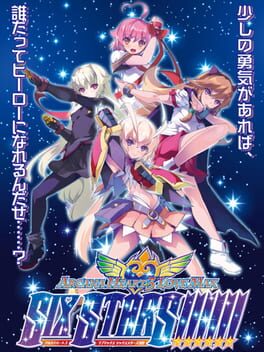
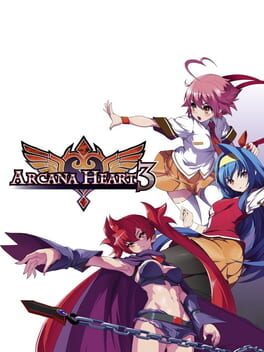

In Arcana Heart 3, chaos is erupting in Japan. Planar rifts are appearing in various locations around the country and it is suspected that the Drexler Institute, a player in the Great War many years ago and creator of the Divine Celestial Weapon, is involved. There is a rumor circulating that if one gets their hands on a celestial stone from a rift, their wishes will be granted. Their power draws many young women to search for them, either to seal them away or in hopes that the rumors are true. Each has their own reasons for the hunt, and they won't allow anyone stand in their way, enemy…or friend alike.

"SixStarS!!!!!! has a full roster of modes to choose from including Story, Survival Score Attack, Trial Time Attack, Versus, Training, Replay Theater and more! And of course you will be able to battle players around the world with online matches. The popular Link Animations feature has been brought back and upgraded with the new characters."

Super Street Fighter II Turbo, released in Japan as Super Street Fighter II X: Grand Master Challenge, is a competitive fighting game released for the arcades by Capcom in 1994. It is the fifth installment in the Street Fighter II sub-series of Street Fighter games, following Super Street Fighter II: The New Challengers. Like its predecessor, it ran on the CP System II hardware. Super Turbo introduced several new gameplay mechanics not present in previous versions of Street Fighter II, including the addition of Super Combos and air combos. It also introduced the secret character Akuma, who would go on to become a recurring character in later Street Fighter installments and other Capcom fighting games. Super Turbo was originally ported to the 3DO Interactive Multiplayer, followed by the PlayStation and Sega Saturn (under the title of Super Street Fighter II Turbo: The Ultimate Championship) as part of the Street Fighter Collection, and for the Dreamcast in Japan under the title of Super Street Fighter II X for Matching Service. A remake of the game was released for the PlayStation 3 and Xbox 360 titled Super Street Fighter II Turbo HD Remix.

The world’s greatest fighting game evolves to a whole new level with Ultra Street Fighter IV. Continuing the tradition of excellence the series is known for, five new characters and six new stages have been added for even more fighting mayhem, with rebalanced gameplay and original modes topping off this ultimate offering.

Fighting / Shooter / Platform / Action / Stealth
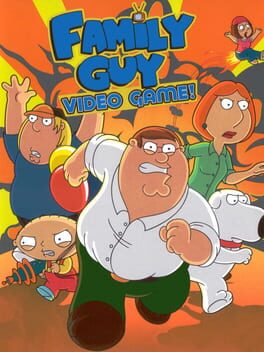
This game is based on the animated television series Family Guy. It was also released for the PlayStation 2 and the original Xbox. The game is split into 22 levels for the three playable characters: Peter, Stewie or Brian. Peter and Stewie have eight levels, while Brian has six. Each character has his own unique style of play. A key feature of the game are mini-games done in the same style as the cutaway gags that the show is famous for, usually lasting less than 10 seconds. The mini-games often repeat cutaway gags from the shows, such as Peter inexplicably burning his hand in a waffle iron. Successfully completing the mini-game offers a bonus: Brian becomes invisible for a short period, while Peter and Stewie receive power-ups for their respective abilities.

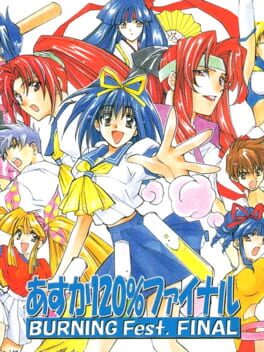
Part of the Asuka 120% franchise of fighting games, "Final" adds minor changes to the original game, adding a "down" gauge and a new cast of voice actors.

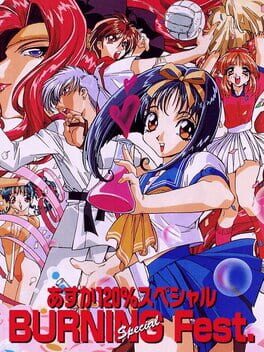
Special Burning Fest. marks the first time the Asuka 120% series appeared on the PlayStation.

Fighting / Action / Science fiction
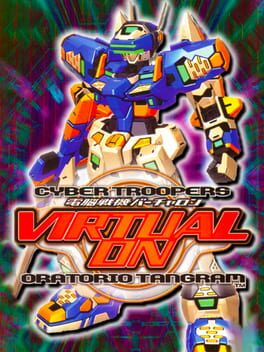
Cyber Troopers Virtual-On: Oratorio Tangram is the first of three major revisions to Cyber Troopers Virtual-On: Oratorio Tangram, a sequel to Cyber Troopers Virtual-On. M.S.B.S. Ver. 5.2 was released for Sega Model 3 arcade hardware and is thought to have been exlusive to Japan.

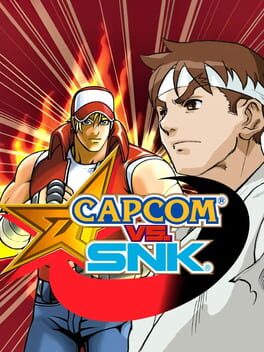
Two of the worlds greatest arcade fighter developers, Capcom and SNK, join forces to finally answer the question asked by many for years: Who is the dominant fighter? A range of fighters from both worlds are available to choose from, with two different fighting styles (Capcom and SNK, of course) meaning that players of both worlds can fit into the game easily, while new gamers can try Ryu using the SNK format.