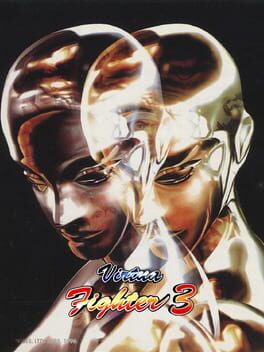
Virtua Fighter 3 is the third fighting game in the Virtua Fighter series. Two new Japanese characters were added to the roster of fighters: Aoi Umenokoji, a beautiful Japanese woman and a childhood friend of Akira Yuki who used a nimble form of Aiki-jujutsu as her fighting style of choice, and Taka-Arashi, a Sumo wrestler from Japan. Taka Arashi would not make another appearance in the Virtua Fighter series until Virtua Fighter 5 R; the series' current producer, Hiroshi Kataoka explained that the removal of Taka in subsequent installments was due to the technical implications of having a substantially larger character.
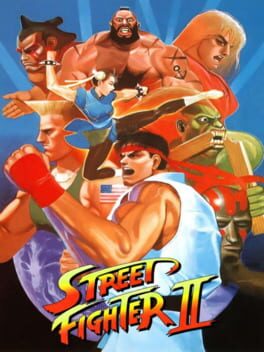
Street Fighter II for the Super Nintendo Entertainment System is a home console port of Capcom’s arcade fighting game. It retains the one-on-one fighting structure, eight playable World Warriors, four boss opponents, and special-move system from the arcade version. The port adapts the arcade game for the SNES/Super Famicom hardware, with reduced animation, altered audio, and some presentation changes. Unlike most earlier home computer conversions, it is a relatively close version of the arcade game, using the console’s six-button controller layout to reproduce the original punch and kick controls more directly.
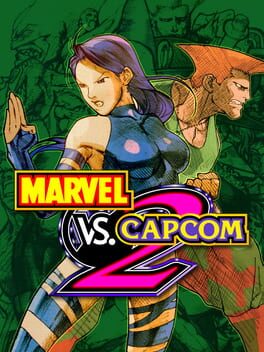
Marvel vs. Capcom 2: New Age of Heroes is the fourth game in the Marvel vs. Capcom series of fighting games. The player's controls were simplified to make the gameplay more accessible to the wider audience of casual players and the button configuration was trimmed down to 4 main buttons and 2 assist buttons. The game also features a different air-combo system and 3 on 3 tag, compared to the 2 on 2 tag from previous games in the series.
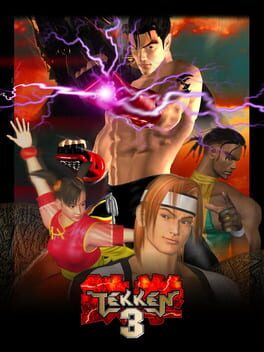
Tekken 3 is the third installment in the Tekken series. It maintains the same core fighting system as its predecessors but brings many improvements, such as significantly more detailed graphics and animations, fifteen new characters added to the game's roster, more modern music and faster gameplay.
Fighting / Arcade / Action / Fantasy
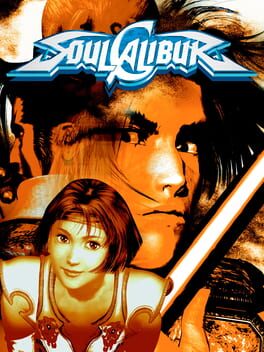
SoulCalibur is a weapon-based 3D fighting game developed by Project Soul and produced by Namco. It is the second game in the Soul series, preceded by Soul Edge (1996). Originally released in arcades in 1998, it ran on the Namco System 12 hardware. In 1999 it was ported to the Dreamcast with improved graphics and new features. The North American version was released in September 1999 as a launch title for the Dreamcast and was part of the successful launch of the new console. It became available as a downloadable title on Xbox 360's Xbox Live Marketplace in 2008. The title brought many innovations to the fighting game genre that include a heavy emphasis on weapons and a unique eight-way movement system. Soulcalibur is widely regarded as one of the best Dreamcast titles and is one of the most critically acclaimed fighting games of all time.
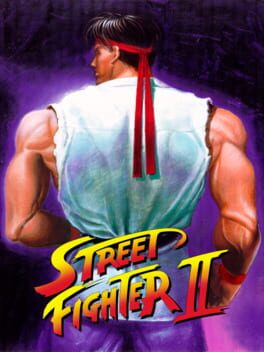
A sequel to Street Fighter, Street Fighter II improved upon the many concepts introduced in the first game, including the use of command-based special moves and a six-button configuration, while offering players a selection of multiple playable characters, each with their own unique fighting style and special moves. Street Fighter II is credited with starting the fighting game boom during the 1990s. Its success led to the production of several updated versions, each offering additional features and characters over previous versions, as well as many home versions. Some home versions of the Street Fighter II games have sold millions of copies, with the SNES port of the first Street Fighter II being Capcom's best-selling consumer game of all time as of 2008. Street Fighter II follows several of the conventions and rules already established by its original 1987 predecessor. The player engages opponents in one-on-one, close-quarters combat in a series of best-of-two-out-of-three matches. The objective of each round is to deplete the opponent's vitality before the timer runs out. If both opponents knock each other out at the same time or the timer runs out with both fighters having an equal amount of vitality left, a "double KO" or "draw game" is declared. Additional rounds will be played until sudden death. In the first Street Fighter II, a match could last up to 10 rounds if there was no clear winner; this was reduced to 4 rounds in the Champion Edition and onward. If there is no clear winner by the end of the final round, then either the computer-controlled opponent will win by default in a single-player match, or both fighters will lose in a 2-player match. After every third match in single-player mode, the player will participate in a "bonus game" for additional points. The bonus games include (in order) a car-breaking event; a barrel-breaking bonus game where the barrels are dropped off from a conveyor belt above the player; and a drum-breaking bonus game where drums are flammable and piled over each other. The bonus games were removed from the arcade version of Super Street Fighter II Turbo. As in the original, the game's controls use an eight-directional joystick and six attack buttons. The player uses the joystick to jump, crouch, move the character towards or away from the opponent, and guard against the opponent's attacks. There are three punch buttons and three kick buttons, each with varying strength and speed (Light, Medium, and Heavy). The player can perform a variety of basic moves in any position, including grabbing/throwing attacks, which were not featured in the original Street Fighter. Like in the original, the player can perform special moves by inputting a combination of directional and button-based commands. Street Fighter II differs from the original in that it features multiple playable characters, each with distinct fighting styles and special moves. Additionally, the player can "cancel" an animation by performing another move, enabling combinations of basic and special moves. Both of these features would be expanded upon in subsequent installments.
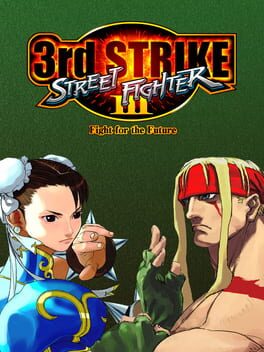
Street Fighter III: 3rd Strike is the second follow-up to Street Fighter III. The game increased the character roster by adding five new characters and also added further refinements to the previous game's play mechanics and rules. All the returning characters from the previous Street Fighter III games were given new stages, endings, and voice actors for certain characters, continuing the overall storyline from where the first two games left off.
Fighting / Arcade / Action / Fantasy
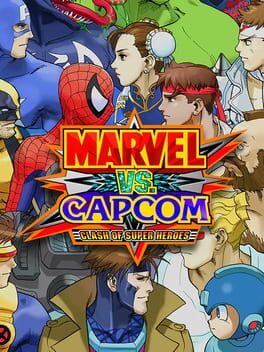
Marvel vs. Capcom: Clash of Super Heroes is the fifth Marvel Comics-licensed fighting game by Capcom and the third game in the Marvel vs. Capcom series. In contrast to X-Men vs. Street Fighter and Marvel Super Heroes vs. Street Fighter, the game features characters from numerous Capcom franchises such as Mega Man and Strider, rather than just Street Fighter characters. The game takes place within the Marvel comic continuity, as Professor Charles Xavier calls out for heroes to stop him before he merges with the consciousness of Magneto and becomes the being known as Onslaught, the final boss.