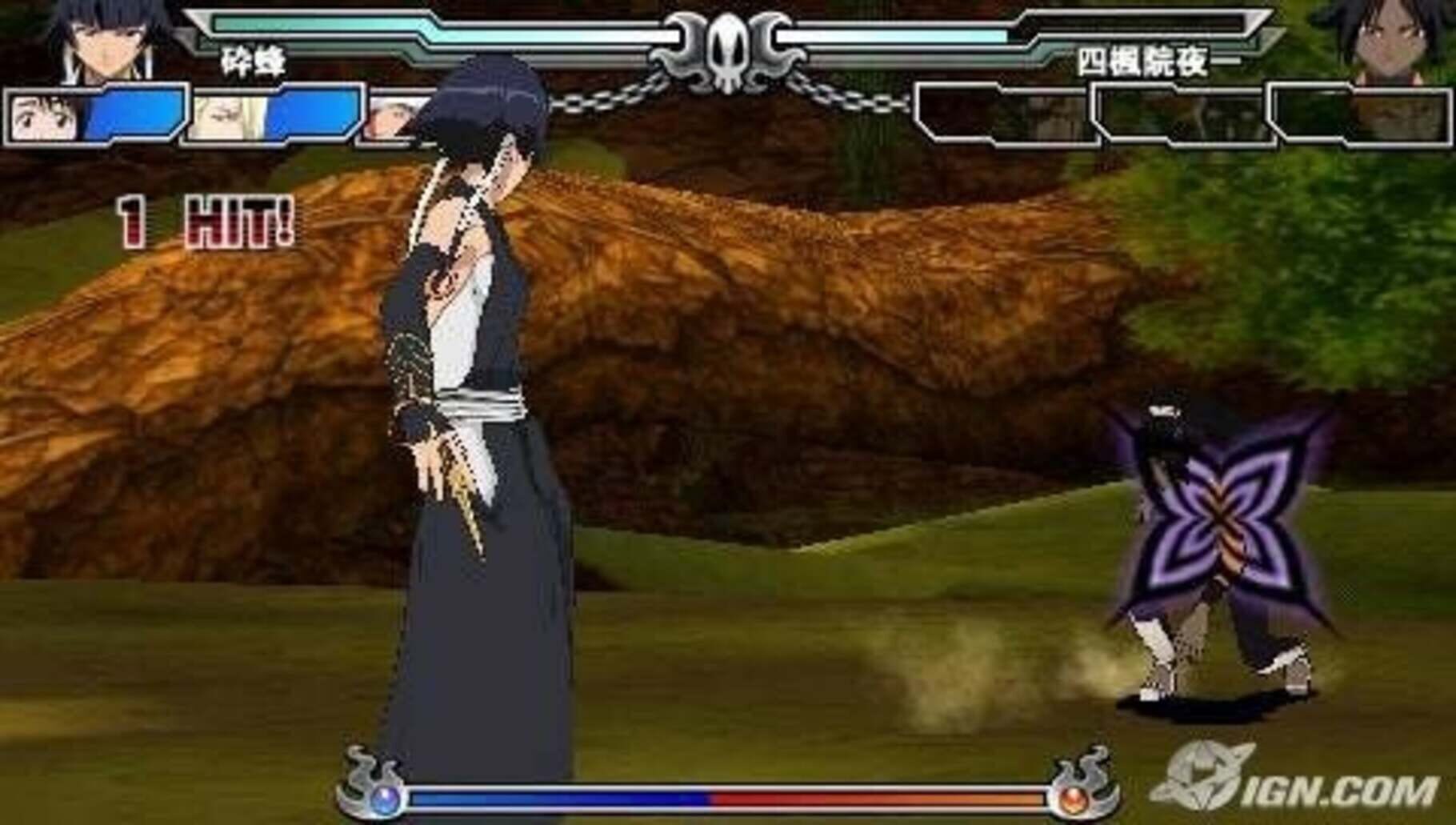
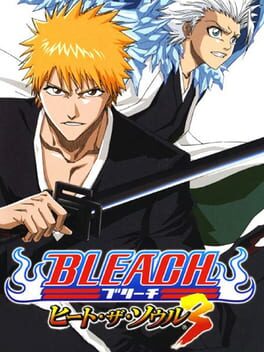

Bleach: Heat the Soul 3 is the third installment in the Heat the Soul series, released on July 20, 2006. The game features 34 characters, covering events from the Soul Society: The Sneak Entry arc to Ulquiorra Schiffer's introduction at the beginning of The Arrancar arc. Unique to Heat the Soul 3 are "Soul Road" and "Karakura Heroes." In Soul Road, the player is to select the desired character and partner character. Afterwards, the player is set on a board game-like map where the goal is to pass through markers in order to fight enemies. After each match, the player is given an amount of "Trust points" (how many received depends on the mode's difficulty) which go towards leveling up partner characters and unlocking bonuses, such as alternate costumes and new partners. To unlock these bonuses, the player must find a blue marker to turn in their points; however, before doing so, the player must answer a multiple choice question. In Karakura Heroes, the player is put into a humorous side-story, with some extra anime scenes added. Don Kanonji leads a group of shinigami, initially Byakuya Kuchiki and Tōshirō Hitsugaya, on some sort of wacky adventure which involves battling several other characters. At the mode's completion, a scene shows the gang relaxing at an expensive hotel, doing activities that in some way fit their personalities and/or abilities (for example, Hitsugaya snowboarding).
Fighting / Role-playing (RPG) / Adventure / Action / Fantasy
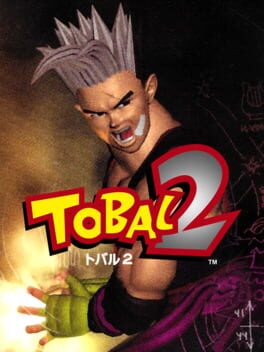
The fighting system in Tobal 2 is the same as in the previous game. The player can freely navigate 3D fighting arenas under the condition that he or she faces the opponent. High, medium, and low attacks can be executed using assigned buttons. As in Tobal No. 1, the grappling and blocking system offers the player a variety of offensive and defensive maneuvers. A new unblockable fireball attack has been added for each character. Tobal 2 was released on the same day as Sony's Dual Analog Controller in Japan, noted as the first game compatible with the peripheral. Graphically, the game features Gouraud shaded and higher-resolution character models compared to Tobal No. 1, but still runs at 60 frames per second.

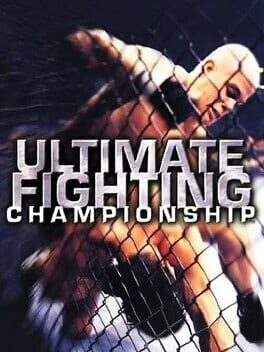
The Ultimate Fighting Championship tournaments started in the 1990s, giving martial artists of the world a chance to distinguish themselves in a fighting environment with very few rules. Fighters could be matched up against fighters of any style, and the match ended only when one fighter submitted. The popularity of the sport resulted in the creation of other mixed martial arts tournaments and the evolution and merging of fighting styles for greater effectiveness. Ultimate Fighting Championship is a 3D fighting game that tries to simulate the experience of a real mixed martial arts fight. Players can choose from a selection of established UFC fighters, or create their own fighter through the Career Mode. While in Career Mode, players start the character creation process by selecting from several style templates, then using points earned through fighting and beating a series of progressively more difficult fighters to buy attribute upgrades in stamina, endurance, punching ability, kicking ability, or to learn certain techniques.

Fighting / Action / Science fiction
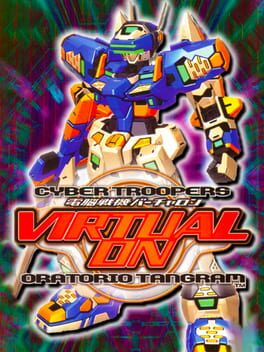
Cyber Troopers Virtual-On: Oratorio Tangram is the first of three major revisions to Cyber Troopers Virtual-On: Oratorio Tangram, a sequel to Cyber Troopers Virtual-On. M.S.B.S. Ver. 5.2 was released for Sega Model 3 arcade hardware and is thought to have been exlusive to Japan.


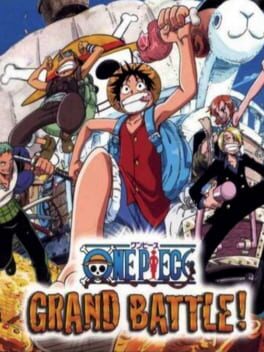
From TV Animation One Piece: Grand Battle! is a Japanese fighting video game developed by Ganbarion and published by Bandai. It is the first game in the One Piece: Grand Battle series and the second game to be based on the One Piece manga and anime. This game's introduction uses the theme song We Are! (ウィーアー! Wī Ā!) from the One Piece Anime.

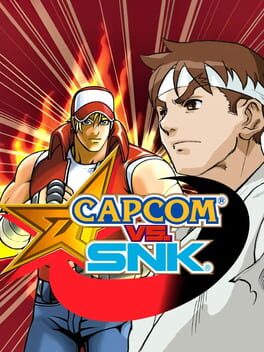
Two of the worlds greatest arcade fighter developers, Capcom and SNK, join forces to finally answer the question asked by many for years: Who is the dominant fighter? A range of fighters from both worlds are available to choose from, with two different fighting styles (Capcom and SNK, of course) meaning that players of both worlds can fit into the game easily, while new gamers can try Ryu using the SNK format.