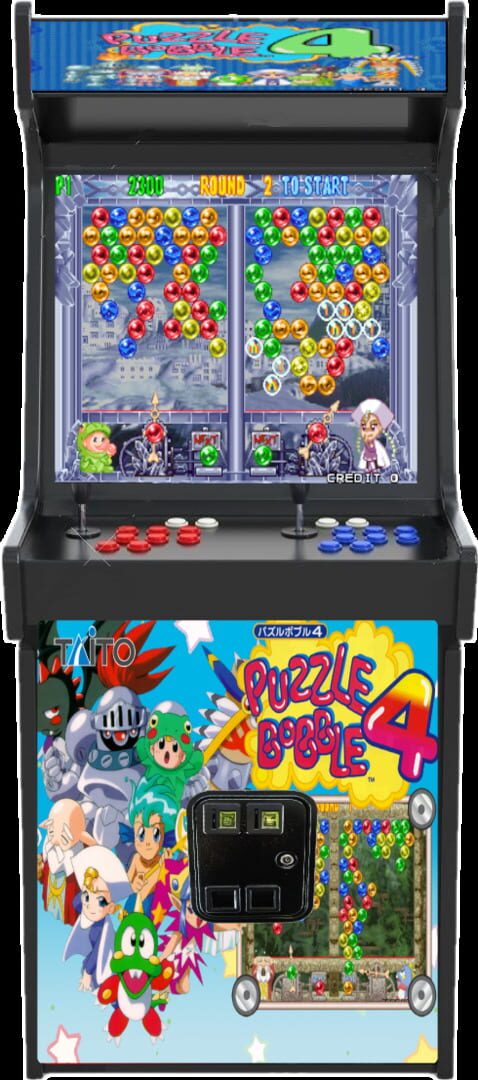

Puzzle Bobble 4 (also known as Bust-a-Move 4 in North America and Europe) is the third sequel to the video game Puzzle Bobble and is the final appearance of the series on the Arcade, PlayStation and Dreamcast. The game is also the final title to be recognizably similar in presentation to the original. Building upon the success of Puzzle Bobble 3, the game adds a pulley system that requires two sets of bubbles, attached to either side of a rope hanging across two pulleys. The game contains a story mode for single player play. In total, the game features 640 levels. The console version features a level editor to either create and save a level, set a succession of levels, or to create an unlimited amount of extra levels and stages. It also has an alternative "story mode".
Platform / Puzzle / Adventure / Action / Comedy
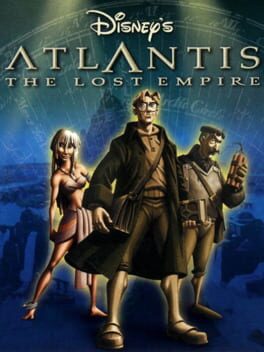
Disney's Atlantis: The Lost Empire is an action-adventure game based on the 2001 animated film. Players follow Milo Thatch and the expedition searching for the lost city of Atlantis, controlling several members of the crew across 12 levels. Gameplay combines platforming, combat, environmental puzzles, swimming, and vehicle sequences, with different characters providing abilities needed to overcome specific obstacles.

Puzzle / Strategy / Arcade / Fantasy / Kids
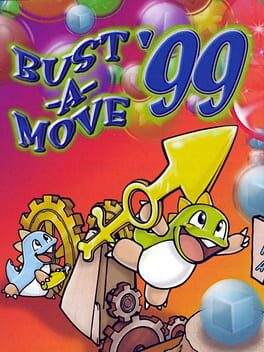
In the tradition of the Bust-A-Move series, Taito's Bust-A-Move '99 is a traditional puzzle game. The main objective is to destroy or get rid of (by dropping) all the bubbles located within the stage. Once you do this, you'll graduate to the next level. While the premise may sound simple, the logic and execution is not. Using a "bubble shooter", you must aim and shoot your bubbles to the top of the screen so that you can bring three bubbles of the same color together. When you do this, the bubbles will pop. One way to earn points is to have the popping bubbles as well as the bubble that was shot fall off the screen (in multi-player, it puts these bubbles on your opponent's side). This also gives you a lot less bubbles to take care of. Bubbles are constantly falling down. Popping them all in a short amount of time is necessary because the longer it takes you to pop them all, the faster they will drop. If you fail to clear out all the bubbles and they reach the bottom of the screen, the game is over. Bust-A-Move '99 contains some new options never seen in the Bust-A-Move series. There are now special bubbles (star, metal and rainbow to name a few), obstructive bubbles and blocks and new backgrounds. You are also given the opportunity to create your very own stages with the create-a-level editor.

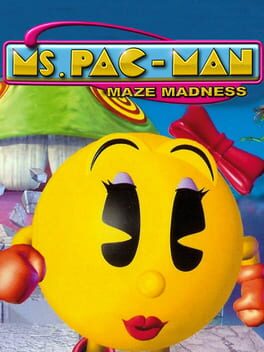
Professor Pac learns that the witch, Mesmerelda, has seized control of the Enchanted Castle using black magic and from there is planning on stealing all four Gems of Virtue (Generosity; Truth; Wisdom; Courage) to control the "four wonders" (areas of Pac-Land). He creates a device called a Pactrometer which allows Ms. Pac-Man to go to these areas to recover the gems before Mesmerelda can get them first.

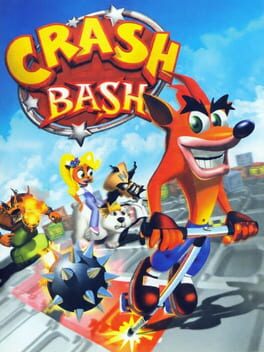
Crash Bash is a party game in which four people can play several mini-games as characters from the Crash Bandicoot series. The gameplay consists of 28 different mini-games and three distinct modes of play: Adventure, Battle, and Tournament. Crash Bash includes multiplayer compatibility for up to four human players with the use of the PlayStation Multitap. The games are organized from a central hub world from which spokes lead to different levels.

Shooter / Puzzle / Adventure / Action
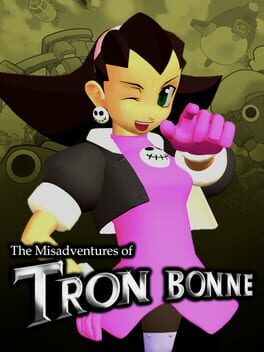
The Misadventures of Tron Bonne is a 1999 action-adventure game developed and published by Capcom for the PlayStation. Released in Japan in 1999 and in North America and Europe in 2000, the game is part of the Mega Man Legends (Rockman DASH) series, and is also a prequel and spin-off of the first Legends game. Rather than focusing on the heroic protagonists of the series, the game follows series antihero Tron Bonne, sister of the criminal Bonne family of air pirates. The Japanese version included PocketStation support, whereas the North American and European version did not.

This is a compilation game consisting of modes from previous Puyo Puyo games. It is Compile's last recognized Puyo Puyo title in the series before Sega obtained the rights. Puyo Puyo Box, being a compilation, primarily consists of modes from earlier Puyo Puyo games, but also contains original content. This game has a plethora of game modes available to the user. It contains ports of "Puyo Puyo" and "Puyo Puyo 2", as well as a RPG-styled quest mode in which the player plays as Arle and battles against members of the other cast in Puyo Puyo matches. It also houses a "Stage Clear" mode in which you have to face either 10, 20, or 30 opponents, as well as two multiplayer modes which can be played with either other players or AI substitutes. For the Quest mode itself, it allowed the player to customize the armory in ways in which made Arle stronger with a double-edged sword effect. You could remove the Puyo Rings in order to beef up her attack at the expense of being unable to see your next pieces for example, and the amount of experience gained and gold won was relative to how big a chain was scored and how quickly the opponent was defeated. The key point in the Puyo Puyo gameplay of Box is that the player can choose a ruleset from either "Puyo Puyo", "Puyo Puyo 2", "Puyo Puyo Sun" and "Puyo Puyo~n". This can effectively lead to 4-player battles where each player plays with independent or mixed rules. This game also allowed for team battles to take place. A special multiplayer mode was made available in this game, known as "Treasure Mode", which was adapted in "Puyo Puyo! 15th Anniversary" as its "Excavation Mode".

Shooter / Puzzle / Adventure / Action / Science fiction
Resident Evil 2 is a sequel to the first Resident Evil title. Like the previous game in the series, Resident Evil 2 is a 3D action-adventure using three-dimensional polygon characters over two-dimensional pre-rendered backgrounds, with the action viewed through a variety of cinematic fixed camera angles in each room. Players can choose to play as one of two possible characters; each goes through the same initial scenario but with differences in the type of weaponry they find and the people they meet along the way.