
Developed by Human Entertainment for ASCII Entertainment.
Point-and-click / Puzzle / Role-playing (RPG) / Action / Horror
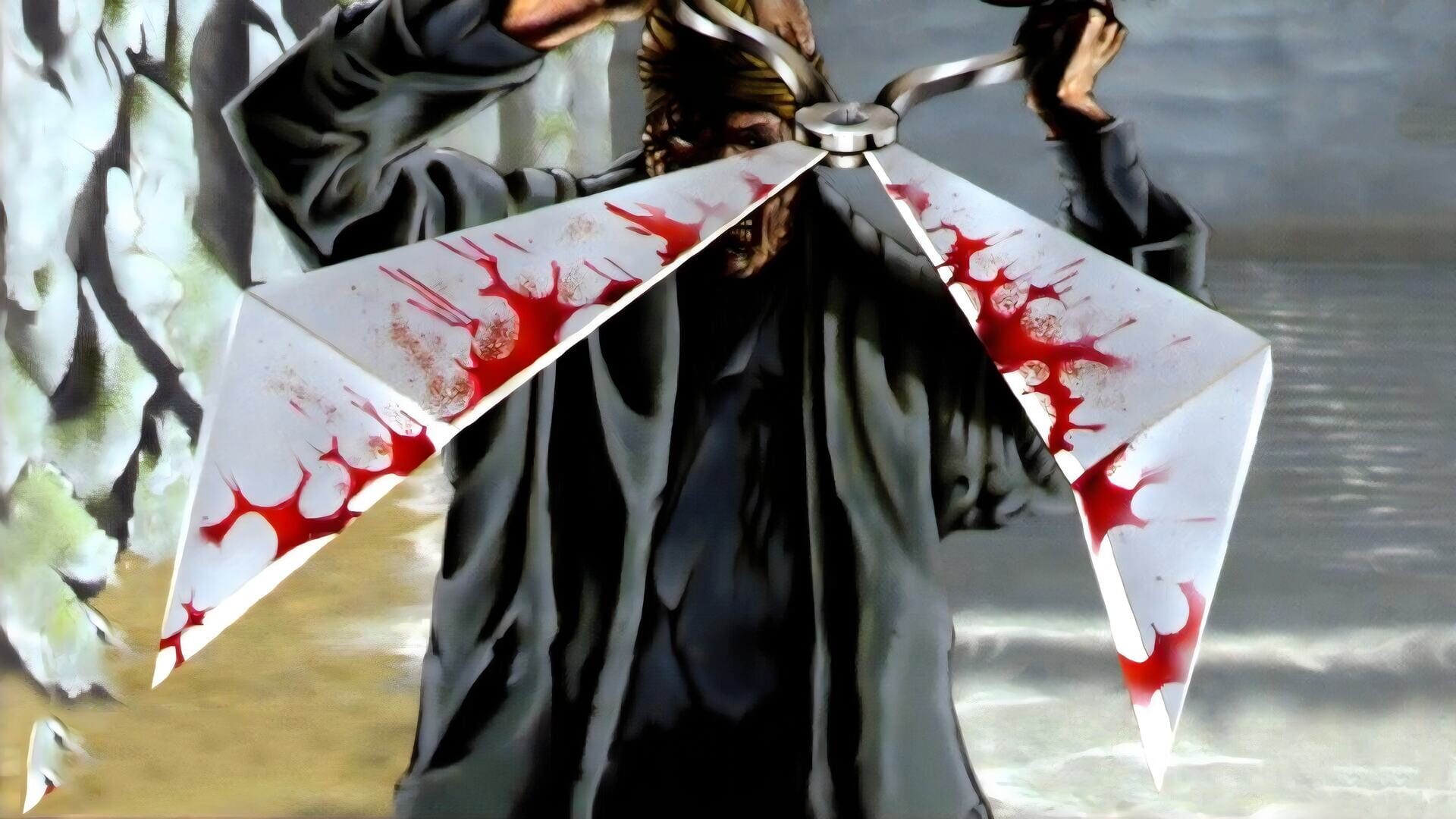
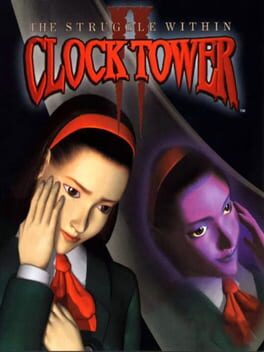
Clock Tower, known as Clock Tower 2 in Japan, is a PlayStation point-and-click survival horror game and a sequel to Clock Tower: The First Fear. One year after the events of Clock Tower: The First Fear, in late 1996, Jennifer Simpson has been adopted by Helen Maxwell, the assistant of a renowned psychiatrist, Samuel Barton, and is currently undergoing treatment at a university research building in Oslo, Norway, to help her cope with her traumatic experiences in the Clock Tower case and possibly shed some light on the mystery that was the Scissorman.
One year after the events of Clock Tower: The First Fear, in late 1996, Jennifer Simpson has been adopted by Helen Maxwell, the assistant of a renowned psychiatrist, Samuel Barton, and is currently undergoing treatment at a university research building in Oslo, Norway, to help her cope with her traumatic experiences in the Clock Tower case and possibly shed some light on the mystery that was the Scissorman. As Barton hypnotizes Jennifer, Helen takes Jennifer home early, saying that she's not ready to remember the murders yet. Barton then leaves the room and talks to Harris Chapman, an assistant at the university. If Barton talks to him twice, Harris slips his affections for Jennifer and the player will become Jennifer rather than Helen. Barton goes downstairs and is interviewed by Nolan Campbell, a reporter, and then he gives the Demon Idol statue to either Rick, a former butler for the Barrows family, or Sullivan, the curator of the local library. Remembering where the statue went is crucial in determining the ending.
Point-and-click / Puzzle / Role-playing (RPG) / Action / Horror
Clock Tower II: The Struggle Within, known as Clock Tower: Ghost Head in Japan, is a PlayStation point-and-click survival horror game and the third installment in the Clock Tower series. It was developed and published by Human Entertainment on March 12, 1998 in Japan and later published by Agetec on October 31, 1999 in North America. It was released as a PlayStation Classic on the Japanese PlayStation Network for PlayStation 3 on May 9, 2012. The game is a spin-off story with little to no connection to the story of the Barrows/Burroughs family or Scissorman, nor was Hifumi Kono involved with it. It does not take place in Europe as many of the others do; it takes place in Osaka, Japan. In the North American version, the setting was changed to Salinas, California, and the characters were given Westernized names. However, untranslated Japanese can be seen in the hospital entrance and even in the intro, there are Japanese-styled buildings, including a Shinto shrine. The game also contains various Japanese-styled rooms and samurai armor.

Point-and-click / Puzzle / Adventure / Horror
The story follows orphan Jennifer Simpson soon after she is adopted by the Barrows family along with other orphaned girls. With the introduction of Scissorman, the game's antagonist, one of the other children is killed. Jennifer must then explore the Barrows Mansion to find a way to escape while evading Scissorman.

Platform / Role-playing (RPG) / Adventure / Action / Horror
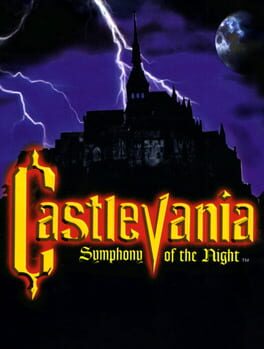
Having been awoken from his eternal slumber by the reappearance of Castlevania, Alucard must once again face the evil minions of darkness. Use your vampiric powers, along with weapons, potions, and other magical relics to change the tide of battle. A mixture of platform and role-playing action with many hidden areas and secrets. Can you discover them all?

Point-and-click / Role-playing (RPG) / Adventure / Action / Horror
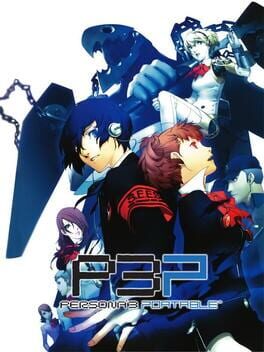
Persona 3 Portable is an enhanced remake of Persona 3 for the PlayStation Portable. The game features an option to play as a female character, which alters some aspects of the story. In addition to the new playable character, there are two new difficulty levels to select from alongside the original game's three. The game also features some other story related changes regardless of the player character gender. The battle system is also updated to be closer that of Persona 4.

Shooter / Puzzle / Adventure / Action / Science fiction
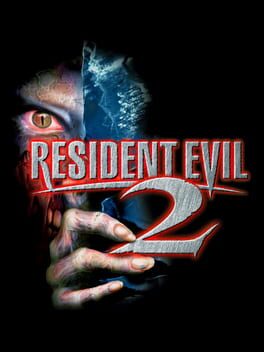
Resident Evil 2 is a sequel to the first Resident Evil title. Like the previous game in the series, Resident Evil 2 is a 3D action-adventure using three-dimensional polygon characters over two-dimensional pre-rendered backgrounds, with the action viewed through a variety of cinematic fixed camera angles in each room. Players can choose to play as one of two possible characters; each goes through the same initial scenario but with differences in the type of weaponry they find and the people they meet along the way.

Shooter / Puzzle / Adventure / Action / Horror
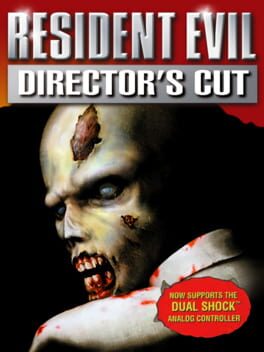
This game is a special re-release of Resident Evil: Director's Cut with added Dual Shock analogue stick support. It also includes work-in-progress videos of the sequel Resident Evil 2 (also known as Resident Evil 1.5), which shows a very different version of the game than was actually released. In North America, Resident Evil: Director's Cut Dual Shock Ver. was released as a downloadable game available from the PlayStation Network soon after it launched in November 2006, although the game is advertised with the original Director's Cut box art. In Japan and Europe, the original Director's Cut was instead made available from the PlayStation Network.

Role-playing (RPG) / Adventure / Action / Fantasy
Parasite Eve is a survival horror role-playing video game developed and published by SquareSoft (now Square Enix) for the Sony PlayStation console. The game follows the story of Aya Brea, a rookie NYPD officer who becomes embroiled in a series of bizarre and deadly events related to a genetic mutation known as mitochondria. The game combines elements of horror, science fiction, and RPG gameplay, featuring real-time battles, exploration, puzzle-solving, and character development. The game's plot is inspired by the novel of the same name by Hideaki Sena, and its gameplay mechanics were influenced by the Final Fantasy series. Parasite Eve was critically acclaimed upon its release in 1998, and is widely regarded as a classic of the survival horror genre.

Shooter / Puzzle / Adventure / Action / Horror
Resident Evil 3: Nemesis is a survival horror video game and the third instalment in the Resident Evil series. Like its two predecessors, it is a third-person action-adventure game with polygonal characters on pre-rendered backgrounds with cinematic camera angles. Although the game uses the same basic engine and gameplay as the previous games, the gameplay is improved by features such as auto-targeting, a 180-degree spin, and a new dodge move that allows Jill to avoid enemy attacks. The PC and Dreamcast versions include all eight of Jill's possible costumes, as well as the mercenary mini-game Operation Mad Jackal, which allows players to play as one of the three Umbrella soldiers. On the PlayStation version, these special features must be unlocked by beating the game with a high score.