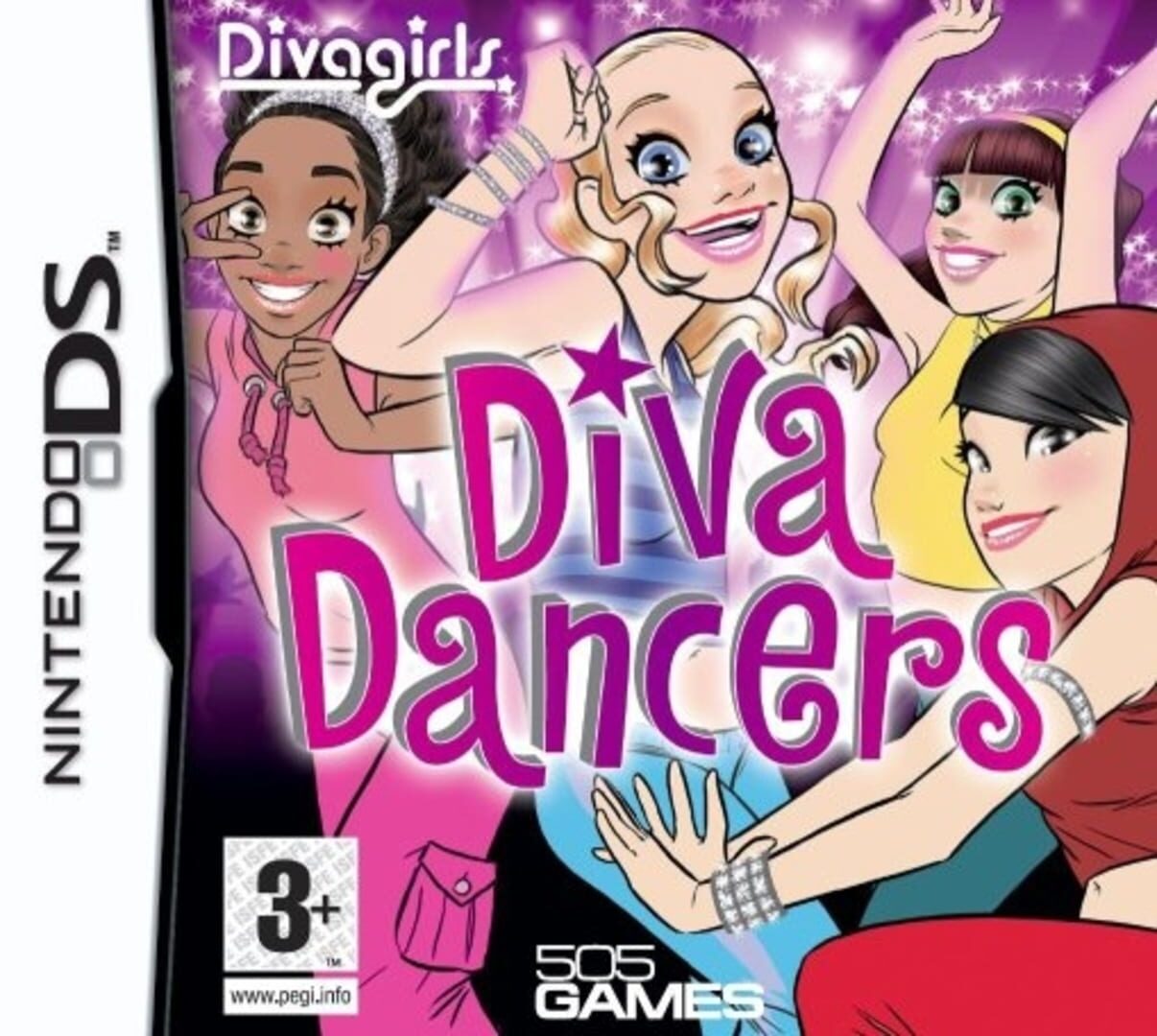
Hit the floor with the Diva Girls! The Diva Girls are back on the floor and they're about to bust some moves.Kelly, Gabrielle, Alyssa and Madison are ready for the greatest dance competition in the world, but are they ready to face off against each other? * Match your moves to the beat with the Touch Screen * Learn new steps and special moves * Tour the world with fourteen new locations * Three styles of music to master across fifteen all-new songs

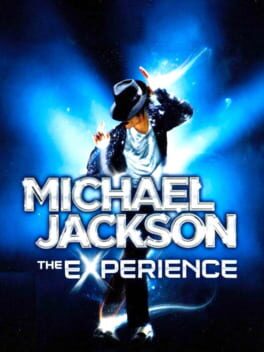
Relive the magic and rock your body to decades of iconic tracks. This unique interactive experience will immerse you in the world of the King of Pop. With Michael Jackson The Experience, dance to a wide variety of songs from Michael Jackson’s extensive catalogue including some of his greatest hits like Beat It and Billie Jean, while having a blast singing and mastering his incredible dance routines and signature moves! Discover and perform in soulful environments inspired by Michael Jackson’s ground-breaking music videos and stage performances.

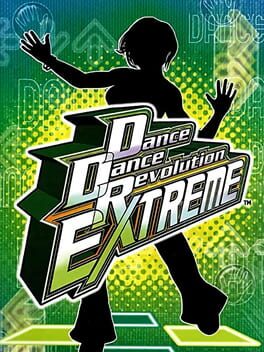
Dance Dance Revolution Extreme is a music video game by Konami and is the eighth release in the main Dance Dance Revolution (DDR) series. It was released on December 25, 2002 for Japanese arcades, on October 9, 2003 for the Japanese PlayStation 2, and on September 21, 2004 for the North American PlayStation 2. This game is the ninth release in North America, but despite having the same name as its Japanese counterpart, its gameplay and soundtrack is significantly different[1] and won the Video Music Awards in 2005 on MTV for Best Video Game Soundtrack. While the PlayStation 2 version came out in North America, the arcade version was exclusive to Japan. Despite this, the arcade version was exported to many arcades in the USA (most of them being bootlegged). Dance Dance Revolution Extreme was the last game in the DDR arcade franchise for four years until Dance Dance Revolution SuperNova in 2006. The arcade release of the game contains one of the largest soundtracks of any DDR game, featuring 240 songs, as well as music from other Bemani music titles. Konami issued an in-game thank you to the fans of Dance Dance Revolution and announced a rejuvenation of the entire series, but did not go into details. Konami's announcement led people to believe that DDR Extreme might be the final DDR release or that the series might be on hiatus or rebooted in the same manner as Beatmania and Beatmania IIDX.

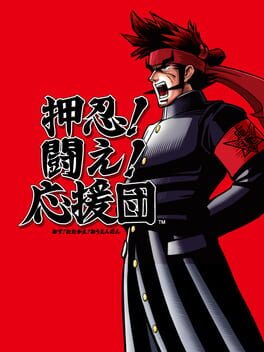
Osu! Tatakae! Ouendan, or simply Ouendan, is a rhythm video game developed by iNiS and published by Nintendo for the Nintendo DS handheld game console in 2005, for release only in Japan. Ouendan stars a cheer squad rhythmically cheering for various troubled people, presented in game in the style of a manga comic. In each stage, players use the DS touchscreen to tap specifically marked spots that appear in rhythm to various Japanese pop songs, scoring points for accurate timing and avoiding a poor performance which can cause the stage to end prematurely. Though never released in Western markets, it was a popular import to these regions, leading to the development of the Westernized spiritual sequel Elite Beat Agents, as well as a direct Japanese sequel Moero! Nekketsu Rhythm Damashii Osu! Tatakae! Ouendan 2.

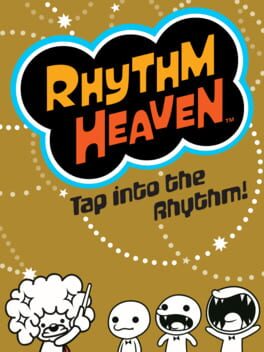
Rhythm Heaven puts the music in your hands and some rhythm in your life. Let the music move you as you tap and slide your stylus on the touch screen to the beat of more than 50 musical rhythm games. The controls are as natural as tapping your finger to music.

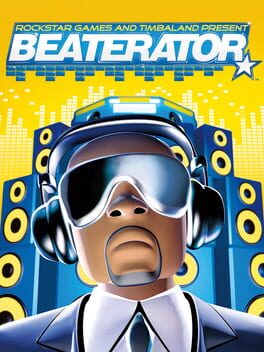
Beaterator is a portable music maker produced by Rockstar in conjunction with Timbaland.

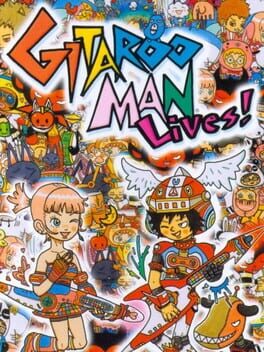
In this strange music rhythm game, you play Gitaroo-Man as you go against various music themed villains. The game puts a new twist on music games as you not only have to time button presses but you have to move the analog stick around in a radar circle to follow a line that passes through the center point. You can play up to 4 players using the multitap and choose from a variety of characters, songs, and locales. Along with local Ad-Hoc multiplayer and additional difficulty options, the game adds a new Duet mode, in which two players control Gitaroo Man and Kirah in two exclusive new stages, "Metal Header" and "Toda Pasión". These levels may also be played alone if the handheld's Ad-Hoc is activated.

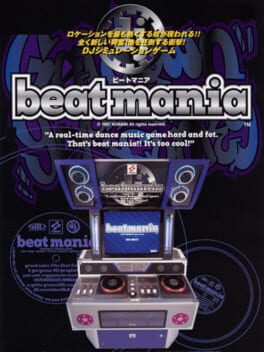
Beatmania is a rhythm game developed by Konami. It is the first game in the BEMANI series ( which it was named after: BEatMANIa ). It is one of the few music games developed by the internal studio GMD (Game Music Division). Beatmania is played with a controller with one turn table and 5 keys, three white and two black. On the screen you will see bars moving from the top to bottom in columns representing each of the keys and the turntable. When the bars reach the judgement line it is time to scratch. The game contain 7 songs, which is the lowest number ever in the BEMANI franchise.

A rhythm-action game like no other from the same team that created WarioWare. Rhythm Tengoku contains 48 minigames that put your rhythm to the test in a variety of crazy scenarios. Rhythm Tengoku was developed by Nintendo R&D1 and released exclusively in Japan for the GBA in 2006 and in arcades with Sega's help in 2007. Being developed by the same studio responsible for the WarioWare games, Rhythm Tengoku mixes the mini-game based gameplay with rhythm game elements, featuring unusually high-quality music for a GBA game. The game started development in 2004. A 2002 prototype for a GBA drum sequencer was incorporated into Rhythm Tengoku as well: the player can freely drum within the Sound Test or take on 19 drum lessons. (Source) The game contains eight stages with five rhythm games and one remix of the previous five each, adding up to 48 different mini-games total. Each game can be completed without hitting every note perfectly, although doing so will unlock various rhythm-related bonus games and modes, such as a drum set where you have to mimic what the drummer does. Much like the Wario Ware series of games, Rhythm Tengoku is all about following your senses and trying to be aware of various cues in the visuals and audio. This emphasis on sense instead of language makes it quite easy for anyone to pick up and play, even though the game is entirely in Japanese (and consequently only available in the Asian region or through an import website). For example, one of the game's levels has you rapping with a computer-controlled character. He'll speak a colour-coded Japanese phrase, and the player must press 'A' in different rhythms. Although the game explains what rhythms to do for which phrase, non-Japanese speaking players can watch hand movements on-screen to figure it out without the need for language. Occasionally, challenges will crop up, asking you to complete a level without any mistakes. Doing so earns you a certificate for that level, and a pink heart with a 'P' on it appears in that level's description.