The MSX port of Donkey Kong was developed by Ocean Software.
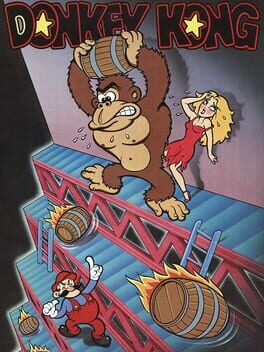
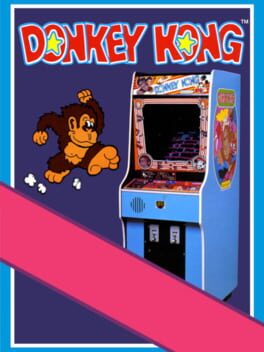
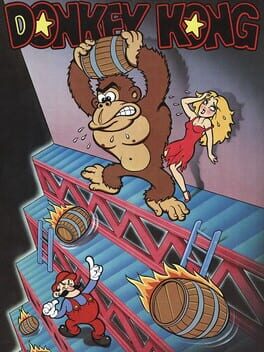
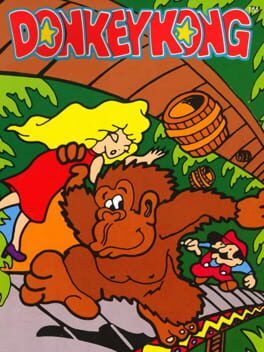
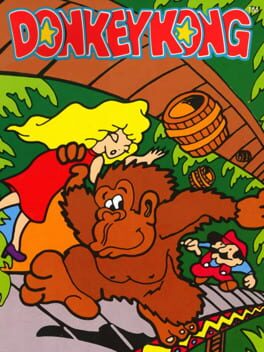
Donkey Kong has kidnapped the beautiful Lady and taken her to a dangerous construction site. Mario must climb to the top of the construction site and rescue Lady from the giant ape.

The Donkey Kong port for Intellivision was developed by Coleco, and lacks 50m and 75m. It is also very visually different from the original arcade game.

The Amstrad CPC port of Donkey Kong was developed by Ocean Software.

The Donkey Kong port for Atari 7800 was developed by Atari Corporation.

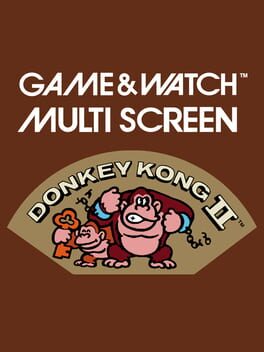
Donkey Kong II was developed by Nintendo R&D1 and released as part of the Game & Watch Multi Screen series, featuring two LCD screens. It was released in 1983. Donkey Kong Jr. has to touch a key, then it moves up to the top screen. Donkey Kong Jr. has to climb to the top screen while avoiding things such as electrical wires. When he gets to the top screen, Donkey Kong Jr. will have to touch the key again, and it will move to the keyhole of one of the chains. Donkey Kong Jr has to climb up the rope below the keyhole, while avoiding birds. When he gets to the top of the rope, one of the chains will unlock. He has to do this 4 times until he saves Donkey Kong. After that, the game will start over, at a somewhat faster pace.

The Atari 2600 port of the hit arcade Donkey Kong differs from the original version in gameplay and has two stages instead of the original four.

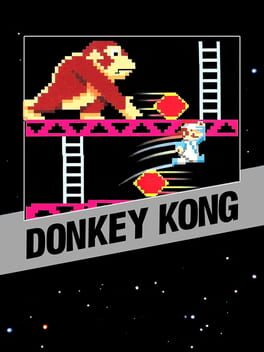
Donkey Kong has kidnapped Pauline, and it is up to Mario, the fearless carpenter, to come to her rescue. Throwing fate to the wind, Mario tries desperately to climb the labyrinth of structural beams from the top of which Donkey Kong taunts him. Help our hero ascend the metal structure by dodging an assortment of fireballs, steel beams, and exploding barrels the angry ape hurls at him. Prepare yourself for a never-ending adventure as Donkey Kong takes Pauline away to the next level every time Mario gets to the top. Based on the arcade game of the same name, this classic will keep hardcore and casual gamers entertained for hours. This Donkey Kong port differs from the arcade game, having only three stages instead of four.
The first port of Mario Bros. was developed by Nintendo for the Famicom and later released in American under the Arcade Classics series. It follows most of the features of the arcade game, and adds a difficulty setting. This version would be the most re-released version in future consoles.