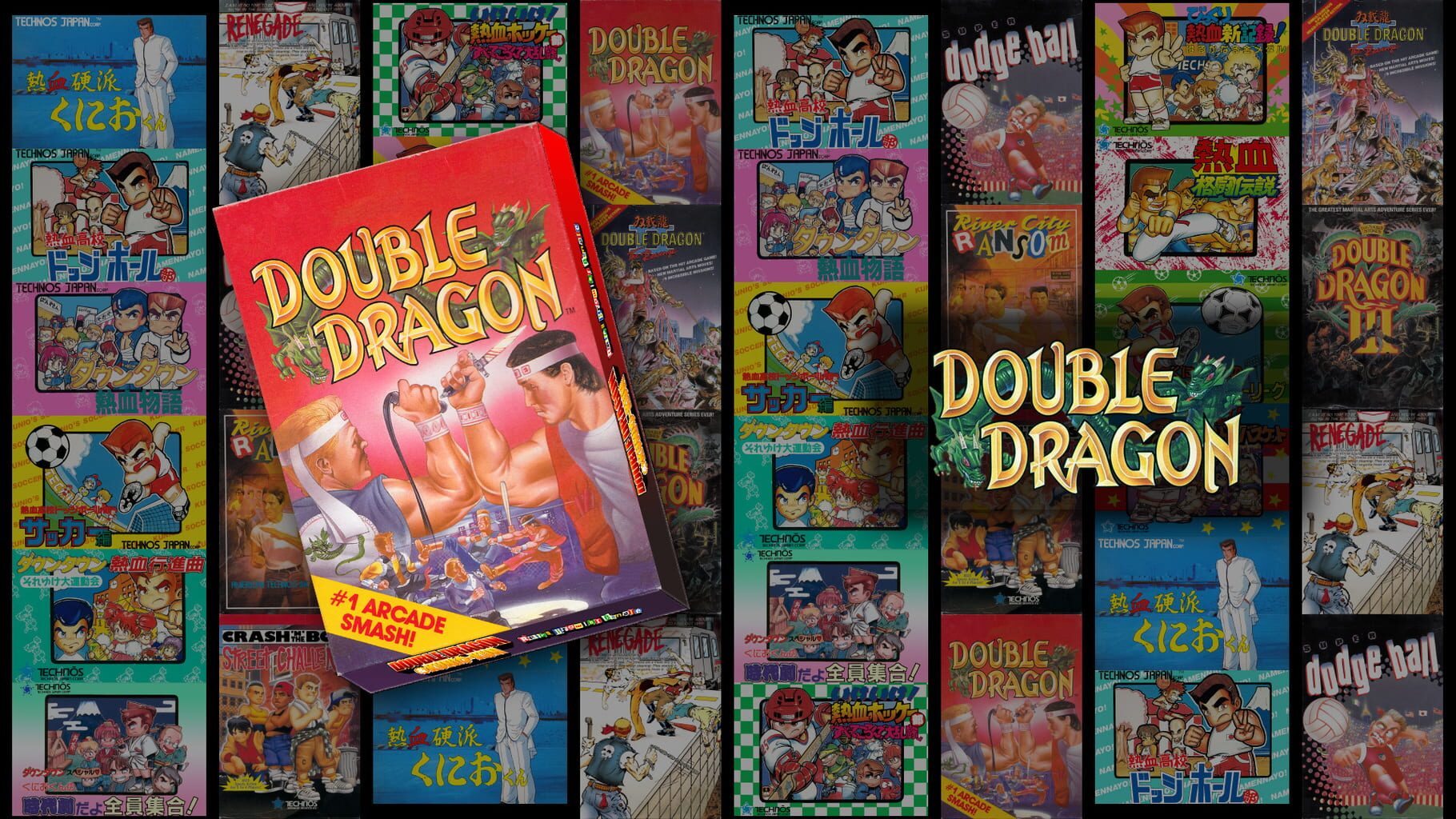

The NES version of Double Dragon takes a wide range of liberties with the interpretation. The entire graphical style is more in line with Technōs’ Kunio-kun series, with characters that go for exaggerated expression rather than gritty realism. The biggest change, however, was reserved for the moveset. You start the game with only the punch, kick and headbutt available – all the other moves are obtained via an RPG-lite style experience system. Hitting enemies is now rewarded with a certain amount of experience points depending on the attack, and each time the counter goes above 999, you’re awarded an additional heart, which extends the range of possible actions. Two hearts add the uppercut and roundhouse kick combo finishers, and with three Billy can perform the jump kick maneuver. The fourth heart unlocks access to grappling moves.
Fighting / Hack and slash/Beat 'em up / Adventure / Action
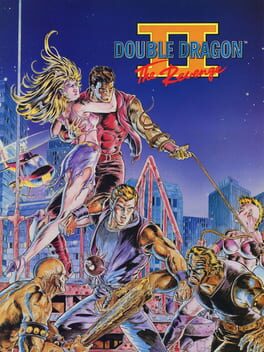
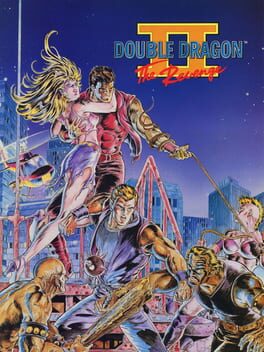
Technōs created once again a vastly different experience with Double Dragon II on the NES. The experience system was dropped, but the moveset still underwent a few changes. The elbow attack and turning jump kick are gone, but with the standard kick directed backwards they seemed a bit redundant anyway. There are two new ways to make enemies in a grapple suffer, elbow smashes to the head, and a high kick to propel them away. In the brief time window when the Lee brothers are crouching after a jump or after getting knocked down, it’s possible to perform a rising uppercut or a knee jump attack. The timing for these isn’t easy, but they are the most powerful moves in the game. On the NES, Double Dragon II is a much more innovative and unique sequel than in the arcade, but it marks also the time Double Dragon started its schizophrenic shifting between wildly different tones and gameplay styles. In a way it’s one of the best games to bear the Double Dragon name, but it’s hard to shake the feeling that Technōs had already started to loose a cohesive vision of what it meant to be Double Dragon, both in tone and in gameplay.

Fighting / Hack and slash/Beat 'em up / Arcade / Action
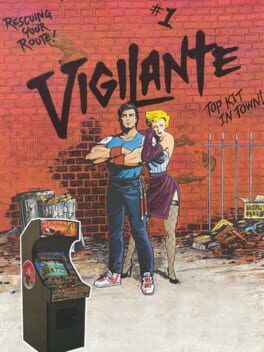
On the baddest streets of the city they know your name. You are lean and mean... the karate master they call the Vigilante! Your turf was left alone. Your friends and neighbors lived in peace. Until the Rogue gang got too big for their britches. You chilled, hoping things wouldn't get too rough. No such luck. They've taken your girlfriend Maria, and there's only one thing you can do... get her back... anyway you can! You have fists of steel! Legs like pistons! And courage that just won't quit! You will need all three because the Rogues are waiting with knives, guns and a whole bunch of nasty punks. And you'll have to fight fast. If the Rogues make it back to their headquarters before you rescue Maria, all hope will be lost. But catch them first and you'll fight the leader of the Rogues. Win Maria... and your turf... will remain safe. Feel any pressure? No way. You're the Vigilante!

Fighting / Hack and slash/Beat 'em up / Adventure / Action
The original arcade version of "Double Dragon II" is essentially an improved version of the first game. The biggest change in the game's controls are in the replacement of the original's punch and kick buttons with two directional-based attack buttons (Left Attack and Right Attack) similar to Renegade. Pressing the attack button of the player's current direction will do a standard series of punches, while pressing the opposite attack button will perform a back kick. A few new moves are added as well, including a Hurricane Kick. Like in the original game, the arcade version of Double Dragon II is divided into four missions: a heliport, a lumber storehouse, a wheat field, and the new hideout of the boss. Each stage has its own boss character with his own theme. After defeating Willy (the final boss from the original game) in the fourth stage, the player will confront a double of their own character for the game's final battle. If two players reach the end together, then both will each to have to face their own clone for the final battle.

Fighting / Hack and slash/Beat 'em up / Adventure / Action
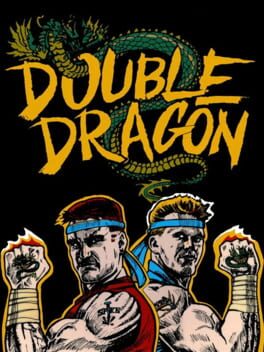
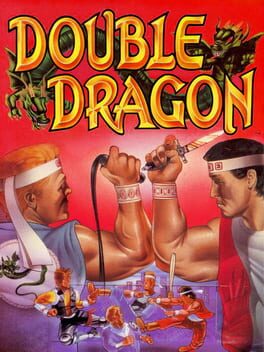
Double Dragon is a 1987 beat 'em up video game developed by Technōs Japan and distributed by Taito for arcades across Asia, North America and Europe. It is the first title in the Double Dragon franchise. The player character has a repertoire of martial arts techniques which they can perform using the joystick and three action buttons (kick, jump, and punch) individually or in combination. Techniques range from basic punches and kicks to more elaborate manoeuvres like hair-grabbing moves and elbow strikes. When playing with another player, one can assist the other by grabbing their partner's opponent from behind. Caution should be taken, though, as some enemies can do the same thing to the players. The player begins the game with a certain number of extra lives and a life gauge which depletes as the player takes hits. If the life gauge runs out or the time limit reaches zero, the player will lose a life. There is a small variety of enemy characters that the player will face through the course of the game. Certain enemies carry melee weapons, which can be knocked out of their hands and picked up to use against them. Available weapons include baseball bats, whips, throwing knives, and dynamite; in addition, rocks, oil drums, and boxes can be found in certain places. The game is divided into four stages or "missions," consisting of a city slum, a factory, the woods, and the gang's hideout. The game normally ends if a single player defeats the final boss alone. However, if two players complete the game together, they are forced to fight each other to determine who will win Marian's affections.

Fighting / Hack and slash/Beat 'em up / Arcade / Action
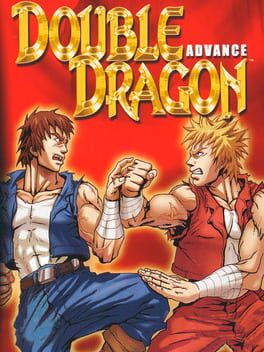
Double Dragon Advance is a side-scrolling beat 'em up game developed by Million and published by Atlus for the Game Boy Advance. Released in 2003, it serves as an enhanced remake of the original Double Dragon arcade game, incorporating elements from the entire Double Dragon series. The game follows brothers Billy and Jimmy Lee as they battle through various stages to rescue Marian from a dangerous gang. It features new levels, enemies, and moves not found in the original version, along with improved graphics and expanded combat mechanics.

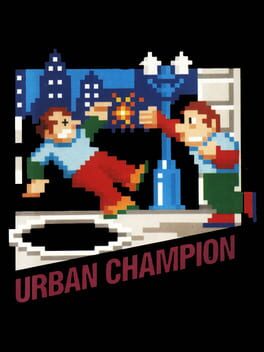
Urban Champion is a 2-player fighting game produced by Nintendo in 1984. It was inspired by the 1984 Game & Watch title, Boxing (also known as Punch-Out!!). It is also Nintendo's first 2D fighting game, followed by the 1993 Joy Mech Fight, released exclusively in Japan for the same platform.

Platform / Hack and slash/Beat 'em up / Adventure / Action
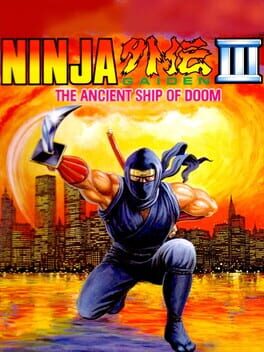
Thrilling new cinema screen! Follow the story of Ryu's epic adventure through Tecmo's movie-like Cinema Screen Animation. As you complete each level, a new part of the story unfolds. Exciting new powers and weapons! Over the years Ninja Ryu's fighting skills have improved to include fantastic new powers and weapons. Action-packed Ninja adventure! Can you get Ryu through his most challenging adventure as he battles the hideous ancient forces of darkness to save mankind? The Ultimate Ninja Challenge!

Fighting / Hack and slash/Beat 'em up / Arcade / Action / Fantasy
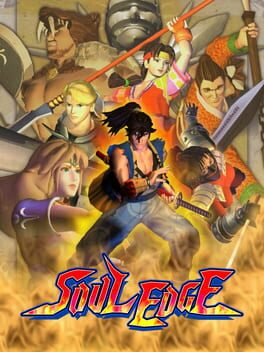
Soul Edge is a 3D arcade fighting game and the first in the Soul series, it is one of the first 3D fighting game in history that place a particular emphasis on the story of the fighters. Each character have their own weapon, allowing for a wide range of play styles. The slower, longer ranged characters try to deliver their heavy blows from a distance whereas the quicker, faster characters try to get in as close as possible and deliver quick-hitting attacks.