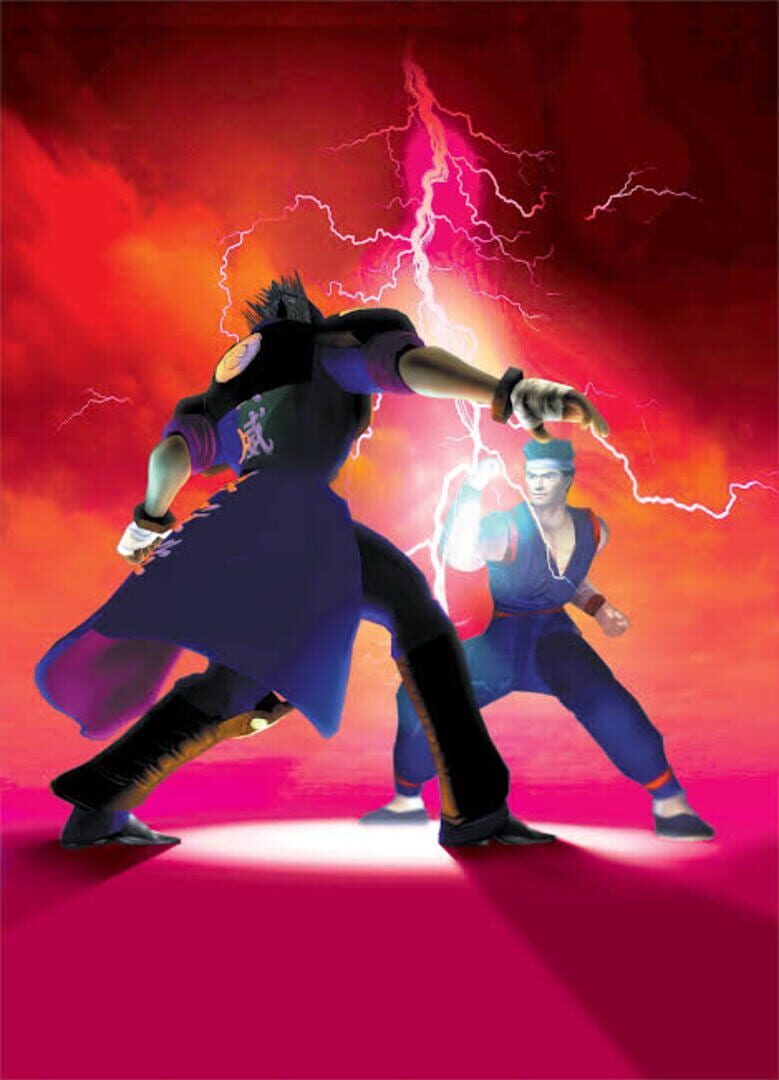

Virtua Fighter 2 was full of many brand new gameplay elements implemented into the realistic fighting engine of the first Virtua Fighter. The Virtua Fighter series has been heralded before as the fighting game with most involving gameplay. In Fighters Megamix, another game has been added, a game called Fighting Vipers. Fighting Vipers has drastically different gameplay than the more popular Virtua Fighter 2. Instead of being sophisticated, Fighting Vipers is simplified to appeal to a wider audience of video gamers and was meant for "casual" gamers. Mixing a simplistic video game and a sophisticated video game must have been difficult. But Fighters Megamix manages to do so by offering many options. The most important option available is the choice of having Fighters Megamix run under the Fighting Vipers style of gameplay or the Virtua Fighter 2 style of gameplay. Other options are unlockable while playing the game. One good thing about mixing two games into one is that the game would include more selectable characters. Not only are there the 22 characters from Virtua Fighter 2 and Fighting Vipers.
Fighting / Role-playing (RPG) / Adventure / Action / Fantasy
The fighting system in Tobal 2 is the same as in the previous game. The player can freely navigate 3D fighting arenas under the condition that he or she faces the opponent. High, medium, and low attacks can be executed using assigned buttons. As in Tobal No. 1, the grappling and blocking system offers the player a variety of offensive and defensive maneuvers. A new unblockable fireball attack has been added for each character. Tobal 2 was released on the same day as Sony's Dual Analog Controller in Japan, noted as the first game compatible with the peripheral. Graphically, the game features Gouraud shaded and higher-resolution character models compared to Tobal No. 1, but still runs at 60 frames per second.

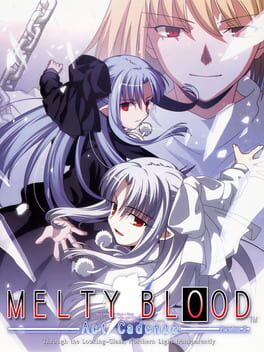
Melty Blood Act Cadenza Ver. B is an arcade port of Melty Blood Act Cadenza with various changes and upgrades, the most notable of which is the inclusion of White Len as a playable character, with a significantly weakened moveset. It also introduced a fifth button that served as a contextual action depending on the situation and the direction held on the joystick when pressed, such as dodging or throwing. This version can be identified by a dual silhouette of Len and White Len in the logo and the phrase "Through the Looking-Glass, Northern Light transparently".

The Ultimate Fighting Championship tournaments started in the 1990s, giving martial artists of the world a chance to distinguish themselves in a fighting environment with very few rules. Fighters could be matched up against fighters of any style, and the match ended only when one fighter submitted. The popularity of the sport resulted in the creation of other mixed martial arts tournaments and the evolution and merging of fighting styles for greater effectiveness. Ultimate Fighting Championship is a 3D fighting game that tries to simulate the experience of a real mixed martial arts fight. Players can choose from a selection of established UFC fighters, or create their own fighter through the Career Mode. While in Career Mode, players start the character creation process by selecting from several style templates, then using points earned through fighting and beating a series of progressively more difficult fighters to buy attribute upgrades in stamina, endurance, punching ability, kicking ability, or to learn certain techniques.

Fighting / Action / Science fiction
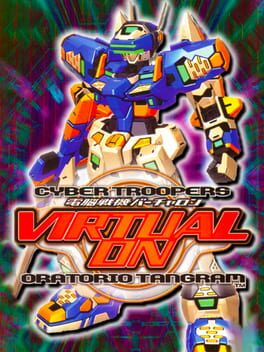
Cyber Troopers Virtual-On: Oratorio Tangram is the first of three major revisions to Cyber Troopers Virtual-On: Oratorio Tangram, a sequel to Cyber Troopers Virtual-On. M.S.B.S. Ver. 5.2 was released for Sega Model 3 arcade hardware and is thought to have been exlusive to Japan.

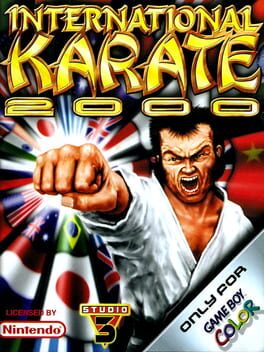
The classic karate fighter is back on the Game Boy Color, remade with the nostalgic gameplay that fans around the world will adore, and new play modes to keep the action fresh and exciting. Hiyah!


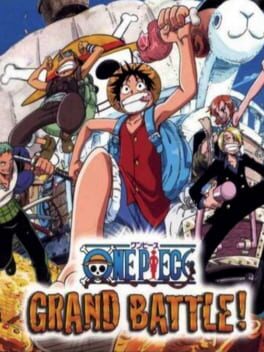
From TV Animation One Piece: Grand Battle! is a Japanese fighting video game developed by Ganbarion and published by Bandai. It is the first game in the One Piece: Grand Battle series and the second game to be based on the One Piece manga and anime. This game's introduction uses the theme song We Are! (ウィーアー! Wī Ā!) from the One Piece Anime.