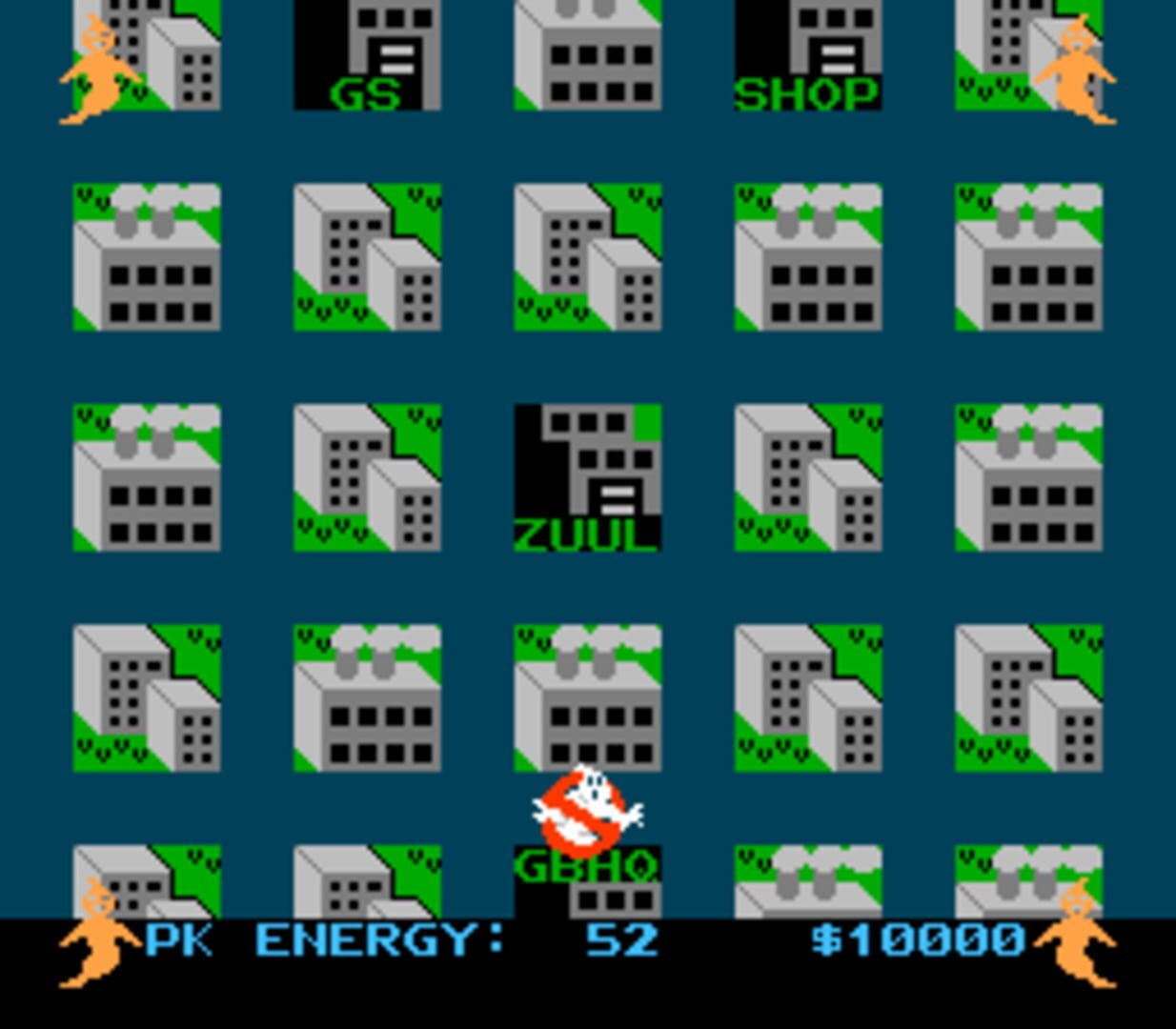

Ghostbusters is an action game that features an overhead-view and a side-view. From Ghostbusters HQ, the player must monitor a map of midtown Manhattan for "ghost alarms", as well as for casual, roaming spirits, and plot a route to the alarmed area. Once the route is plotted, the player then controls the purchased Ghostmobile as it drives through traffic. Here, the player is able to capture casual ghosts on the way if they are en route. When the haunted location is reached, the game switches to a side-view. Two of the Ghostbusters will take position, activate their proton beams, and toss a trap to the ground. The player must then use the two Ghostbusters to attempt to lead the ghost(s) over the placed trap. Once activated, the trap springs to capture any ghosts directly above it. A successful capture will earn the player money, which can then be used to purchase new Ghostbusters vehicles and new modifications for it. An unsuccessful capture will see the ghost fly away (after nastily sliming one of the Ghostbusters).
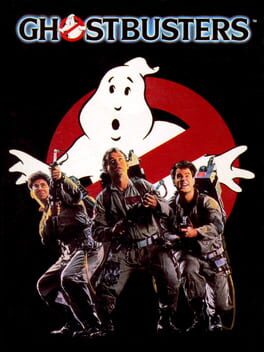
Based on the 1984 film of the same name, the Ghostbusters are the ones to call to "bust" any ghost hauntings. They do this through the use of nuclear-accelerated "proton packs" and "ghost traps", whereby the ghosts can be captured and transferred to a secure storage facility at their Headquarters. However New York City has suddenly become a very haunted place, and the number of ghosts has suddenly and dramatically increased. The Ghostbusters must reduce the paranormal psychokinetic energy, the "PK level" in the city, which represents ghost power, before the Temple of Zuul awakens and resurrects an evil goddess called Gozer.
Fighting / Role-playing (RPG) / Adventure / Action / Fantasy
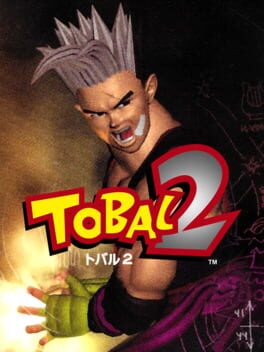
The fighting system in Tobal 2 is the same as in the previous game. The player can freely navigate 3D fighting arenas under the condition that he or she faces the opponent. High, medium, and low attacks can be executed using assigned buttons. As in Tobal No. 1, the grappling and blocking system offers the player a variety of offensive and defensive maneuvers. A new unblockable fireball attack has been added for each character. Tobal 2 was released on the same day as Sony's Dual Analog Controller in Japan, noted as the first game compatible with the peripheral. Graphically, the game features Gouraud shaded and higher-resolution character models compared to Tobal No. 1, but still runs at 60 frames per second.

Fighting / Arcade / Action / Fantasy
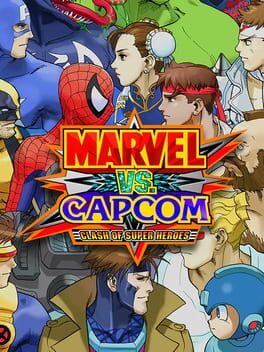
Marvel vs. Capcom: Clash of Super Heroes is the fifth Marvel Comics-licensed fighting game by Capcom and the third game in the Marvel vs. Capcom series. In contrast to X-Men vs. Street Fighter and Marvel Super Heroes vs. Street Fighter, the game features characters from numerous Capcom franchises such as Mega Man and Strider, rather than just Street Fighter characters. The game takes place within the Marvel comic continuity, as Professor Charles Xavier calls out for heroes to stop him before he merges with the consciousness of Magneto and becomes the being known as Onslaught, the final boss.

Fighting / Arcade / Action / Fantasy
BlazBlue: Continuum Shift is a fighting game developed by Arc System Works as a direct sequel to BlazBlue: Calamity Trigger. BlazBlue: Continuum Shift retains the traditional 2D fighter gameplay of two characters participating in a duel on a two dimensional plane and features a selection of new playable characters.

Pinball / Arcade / Fantasy / Science fiction
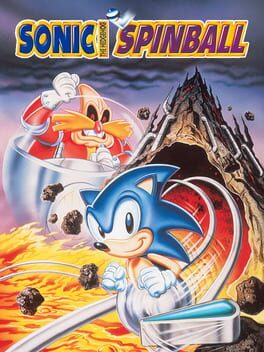
8-bit port of Sonic the Hedgehog: Spinball.

Fighting / Arcade / Action / Fantasy
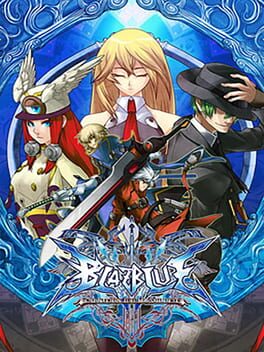
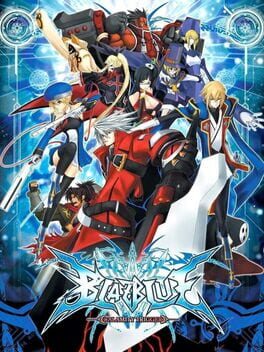
BlazBlue: Calamity Trigger is a fighting game developed by Arc System Works in 2008 and is the first game in the BlazBlue series. The game was originally developed for Japanese arcades and later received console and PC ports. The game is a traditional 2D fighter where two characters participate in a duel. Every character has a weak, medium and strong attack, as well as an "unique" technique, called a Drive attack, which is different for each character. Various combos can be performed by every character through careful input of regular and Drive attacks.

Fighting / Arcade / Action / Fantasy
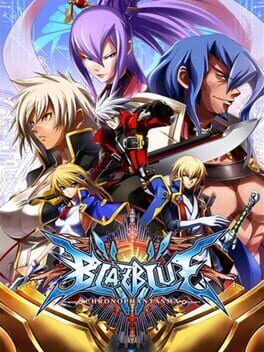
BlazBlue: Chrono Phantasma, released in Japan as BlazBlue: Chronophantasma, is a 2D fighting game developed by Arc System Works. It is the third game of the Blazblue series, set after the events of BlazBlue: Continuum Shift. Besides normal rebalancing from Continuum Shift Extend, Chrono Phantasma features several revamped gameplay mechanics and introduces seven new characters to the roster. The character sprites have also been redrawn and several new songs were composed for the game. All previous musical themes were re-arranged. The storyline continues after events of Continuum Shift. A new mechanic called "Overdrive" has been added to the game, replacing the Gold Bursts from Continuum Shift.

Fighting / Arcade / Action / Fantasy
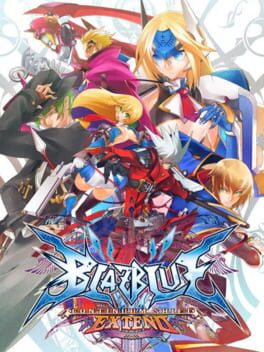
BlazBlue: Continuum Shift Extend is a 2D fighting game and the enhanced version of BlazBlue: Continuum Shift II. The game features an updated version of Calamity Trigger's Story Mode called Blazblue Calamity Trigger Reconstruction; the inclusion of Relius Clover as a playable character; four new stories for Platinum, Makoto, Valkenhayn, and Relius; a new Unlimited Mars game mode; hidden Distortion Drives for every playable character's Unlimited form; and further balance tweaks.

Shooter / Arcade / Action / Fantasy
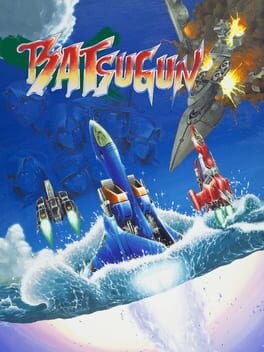
Batsugun is a vertically scrolling shoot 'em up video game created by the now-defunct Japanese game developer Toaplan. The title translates to "exceptional" or "extraordinary". It was the final game created before Toaplan's dissolution, and has been regarded as a key title in the development of the modern manic shooter, with elements of the game such as the size of the player's hitbox, the scale of their firepower, and the complexity of enemy bullet patterns all having an influence on future titles in the sub-genre. Members of the development team also went on to work on other successful manic shooters, most notably lead artist Junya Inoue.