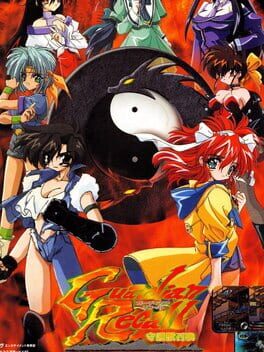
Guardian Recall is a Role-Playing game, developed by Tsuji Jimusho and published by Xing Entertainment, which was released in Japan in 1998.
The game takes place in a near future when an evil organization wants to conquer the world using demons and other creatures to help them.

Role-playing (RPG) / Strategy / Adventure / Fantasy / Comedy
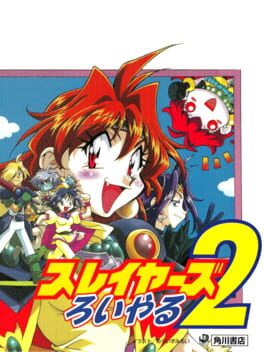
Saturn and PlayStation game based on the hit anime series.

Role-playing (RPG) / Action / Fantasy
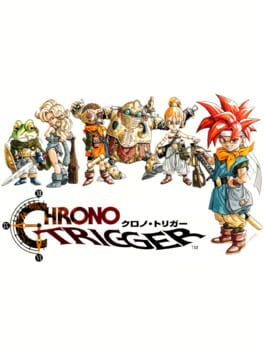
An enhanced port of Chrono Trigger that adds anime cutscenes and an exclusive Extras Mode. It is also known for having significantly longer load times in comparison to the original SNES version. Extras Mode is an option in the main menu that let players view cutscenes and artwork, listen to music, and view information about techs, enemies, bosses, endings, and item locations. It was first released for PlayStation in Japan before it came to North America as part of the Final Fantasy Chronicles compilation.

Role-playing (RPG) / Fantasy / Drama
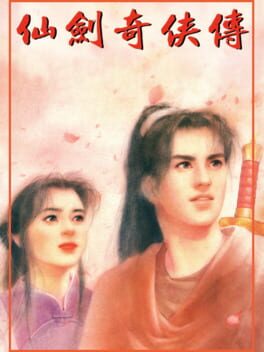
The Legend of Sword and Fairy is a role-playing video game developed by the Taiwanese company Softstar Entertainment and its subsidiaries. The game incorporates elements of wuxia, shenmo and fantasy. Since its release in 1995, the game has spawned a successful video game franchise in Taiwan and mainland China. It was also adapted into the 2005 Chinese television series Chinese Paladin.

Role-playing (RPG) / Adventure / Fantasy / Science fiction
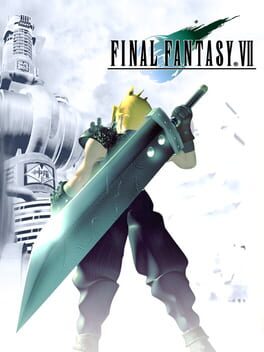
The Western release of Final Fantasy VII (released as Final Fantasy VII International in Japan) included additional elements and alterations, such as streamlining of the menu and Materia system, reducing the health of enemies, new visual cues to help with navigation across the world map, and additional cutscenes relating to Cloud's past.

Role-playing (RPG) / Strategy / Turn-based strategy (TBS) / Fantasy / Romance
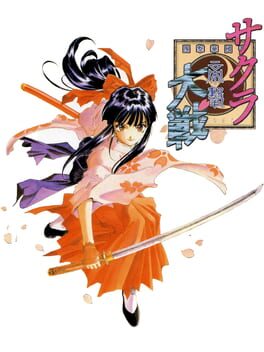
Released in 1996 for the Sega Saturn, Sakura Taisen is the first game in the iconic Japanese game franchise. It combines strategy RPG elements with dating sim-style character interactions to make "A Storm of Romance amid Taishou Cherry Blossoms!"

Role-playing (RPG) / Adventure / Fantasy
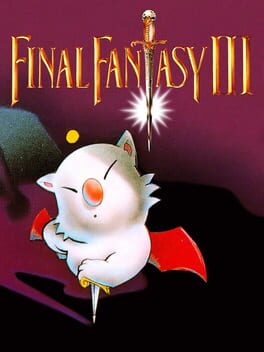
Final Fantasy VI is the sixth main installment in the Final Fantasy series, developed and published by Square. It was the final title in the series to feature two-dimensional graphics, and the first story that did not revolve around crystals. The game gives players up to fourteen playable characters, the largest cast in the series, and features the Active Time Battle pseudo-turn based menu command system. A party can consist of up to four characters, though some events require the player to assemble three different parties of up to four and switch between them. Each character has a unique command ability, such as Terra's Trance, Locke's Steal, Edgar's Tools or Sabin's Blitz, and can also learn Magic spells from earning AP from battles with magicite equipped. Each character's rare Desperation Attack will randomly activate after using the Attack command when at critical health.

Role-playing (RPG) / Turn-based strategy (TBS) / Adventure / Action / Fantasy
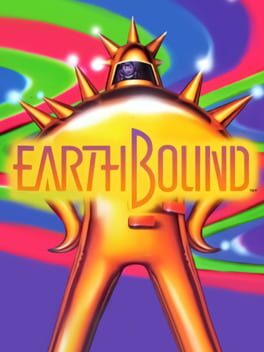
A turn-based JRPG and sequel to the then-Japan-only Earthbound Beginnings (1989) in which Ness, a young boy living in a land based on the USA, leaves home to go on an adventure through strange locations, get to know quirky characters, and defeat an unknowable alien threat called Giygas while facing up to the realities of growing up and becoming familiar with the real world.

Role-playing (RPG) / Adventure / Fantasy / Science fiction
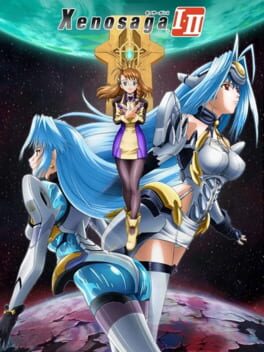
Xenosaga I & II is a combined remake and retelling of Xenosaga Episode 1 and 2 redesigned for the Nintendo DS. The story changes were handled by the creator of the series. The game changes large parts of the storyline in Episode 1 while following the elements established in the original game. This includes adding new characters and changing how some scenarios play out. Changes in Episode 2 were much larger as the main character perspective of the game was switched from Jr. to Shion to match up with Episode 1 and 3. Some characters are removed from the story or have their fates changed or revealed. Some dungeons are removed, edited, or replaced. It also answers some questions that the original did not as you follow a different path through the same overall story. It also changes the combat mechanics of Episode 2 to match Episode 1.