Mystery box
?
Sealed
Mystery Box
Every game in your current results, in one box. Add it to a quest and each run draws a fresh game from it, revealed on release day.
DOS
1994

This side out
Platform / Puzzle / Arcade / Action
Whizz is one of the few 3D platformers to use an isometric viewpoint. The controls reflect this, with moving the controller to the right actually moving the character down and right, moving it down and right moving the character down directly, and so on. Each level is played out against a time limit, and the paths through the level aren't always clear-cut. You can avoid the baddies, which may be the best option, as killing them costs you some energy - this reduces the significance of the points system.
PC
1997
This side out
Adventure / Visual Novel / Science fiction / Comedy
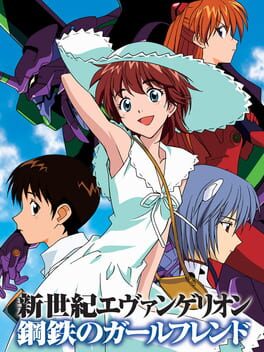
Neon Genesis Evangelion: Girlfriend of Steel, also known as Neon Genesis Evangelion: Iron Maiden, is a video game based on the Gainax anime/manga series Neon Genesis Evangelion, released officially only in Japan for the PlayStation, Sega Saturn, PlayStation 2, PSP, Windows (PC), and Macintosh. On January 20, 2005 a sequel was released titled "Neon Genesis Evangelion: Girlfriend of Steel 2nd" for the Playstation 2, and while it does feature much of the cast of the original game, the story is unrelated to the original's.
Saturn
1999
This side out
Role-playing (RPG) / Hack and slash/Beat 'em up / Action
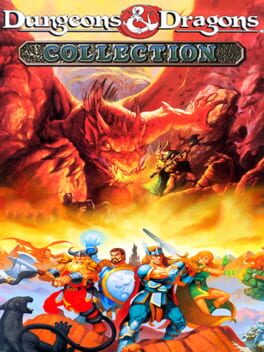
The console port of the two beat-em-up games set in the D&D Universe.
Saturn
1996
This side out
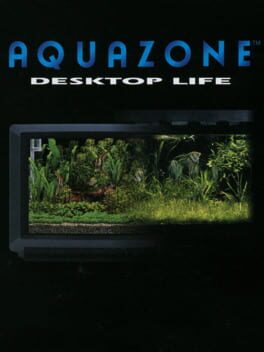
Aquazone Desktop Life (アクアゾーン) is a fish tank simulator developed and published by 9003 as part of their Aquazone series of "games".
PS1
1998
This side out
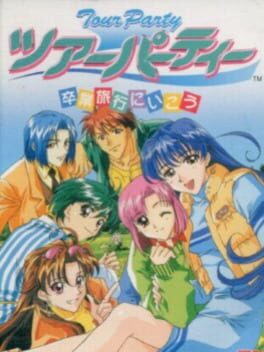
Tour Party Sotsugyou Ryokou ni Ikou is a board game, that was released for Sega Saturn and PlayStation, in which the player can choose at the beginning of the game to play as a girl or a boy, the theme of the board is to travel, and the game features at the 4 human players to play as the same time and compete against the others. The gameplay is similar to Takara's the Game of life but in Tour Party, during the journey the players will meet different people and they can become friends with them, and different events that will make the trip more interesting. The game features 8 different characters to choose from and a complete viewer mode with character profiles, musics, and other unlockables modes.
PS1
1998
This side out
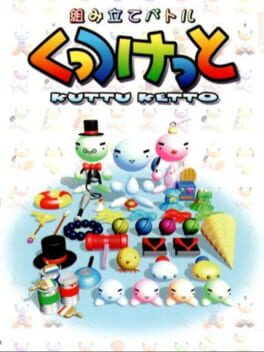
Maboroshi Tsukiyo is an adventure game released for the Dreamcast and Playstation consoles, in which the player takes the role of Takashi Tanaka (the player can choose another name) that one summer evenight he meet the ghost of a girl in the park, and the ghost girl start living with him in his appartment. The first night the girl appears to one of Takashi friends and the girl vanished after seeing the ghost, the ghost can enter other people's bodies too...
Saturn
1996
This side out
Platform / Action / Science fiction
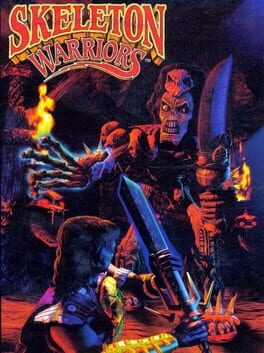
As Prince Lightstar, players must defeat the Skeleton Warriors and Baron Dark in order to gain control of the Lightstar Crystal and bring balance back to the world. Gamers will explore the environments of 20 different levels as they face hundreds of enemies while riding on their skybike. The game features an original soundtrack composed by Tommy Tallarico. The game is a 2D sidescrolling platform game with 3D pre-rendered graphics, with about 100 types of enemies for you to slay with the weapons you possess. You need to complete 21 levels filled with demonic evil creatures before you can fight the Baron Dark himself, with 3D rendered cutscenes inbetween some levels.
Saturn
1997
This side out
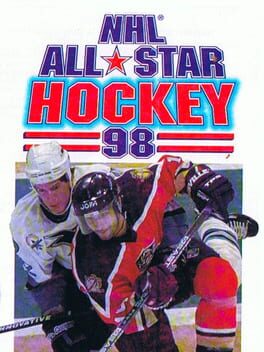
NHL All-Star Hockey '98 is a Sega Saturn exclusive. It was commissioned by SEGA after Virgin decided not to make another incarnation of NHL Powerplay for the SAT.
PS1
1995
This side out
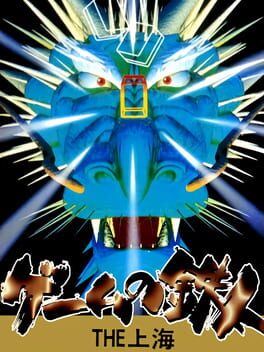
Game no Tetsujin: The Shanghai is a Puzzle game, published by SunSoft, which was released in Japan in 1995.
Saturn
1998
This side out
Role-playing (RPG) / Strategy / Adventure / Fantasy / Comedy
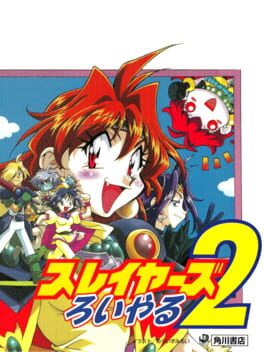
Saturn and PlayStation game based on the hit anime series.
Saturn
1998
This side out
Adventure / Visual Novel / Action / Comedy
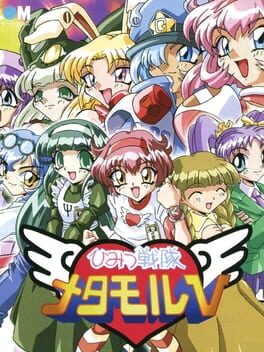
Himitsu Sentai Metamor V is a visual novel-style adventure game starring a cast of transforming magical girls. The game is divided into chapters and follows the five members of the Metamor V squad, all of them elementary school students and classmates of Sakie's. Much of the game consists of conversation sequences with other characters; the player's reactions and choices will affect Sakie's trust level with her squadmates, and through conversations the player will also learn different key words. Both of these are important during the battle sequences, in which the player must combine words in order to create the most effective special attacks. There is no lose condition, but the player is graded on how quickly they defeat opponents, which affects trust levels and ultimately the game's ending. The later PlayStation "Deluxe" version includes an extra bonus side scenario and additional voice acting, but is otherwise the same game.
Arcade
1995
This side out
Shooter / Arcade / Action / Fantasy
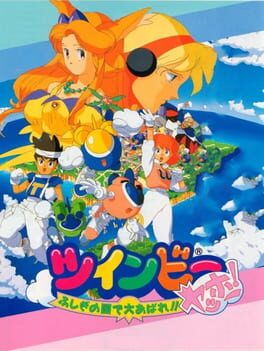
TwinBee Yahho!: Fushigi no Kuni de Ooabare!! is a vertical-scrolling shoot-'em-up released by Konami as a coin-operated video game in 1995. It is the third and final game in the TwinBee series released for the arcades. During the same year as its arcade release, the game was released for the PlayStation and Sega Saturn in a two-in-one compilation with its predecessor, Detana!! TwinBee, titled Detana! TwinBee Yahho!. It was later included in the PlayStation Portable compilation TwinBee Portable, released in 2007. Like most games in the TwinBee series, it was released exclusively in Japan, although an unproduced international version was planned under the title of Magical TwinBee.
Saturn
1997
This side out
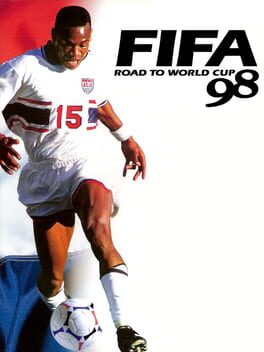
Sega Saturn port of FIFA: Road to World Cup 98.
Arcade
1996
This side out
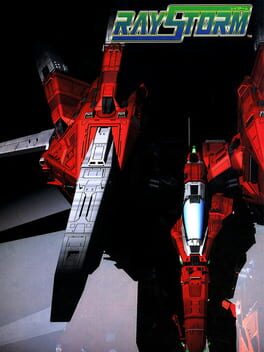
RayStorm is a scrolling shooter set hundreds of years in the future, and was one of the launch titles for the Sony PlayStation. RayStorm consists of eight stages where players must pilot their "R-Gray" spaceships shooting down anything that moves. Like all of the games in the Ray Series, enemies can be shot down with a primary weapon or by holding down a missile button to lock on to multiple enemies.
Saturn
1997
This side out
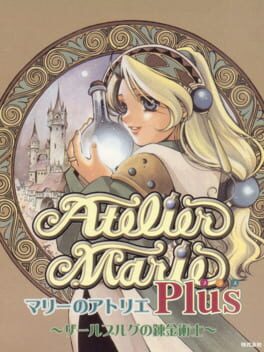
Atelier Marie Plus was released on June 4, 1998, and is the last version (Version 1.3) of the original game, with upgrades and additional content added.
PS1
1995
This side out
Puzzle / Simulator / Strategy / Fantasy
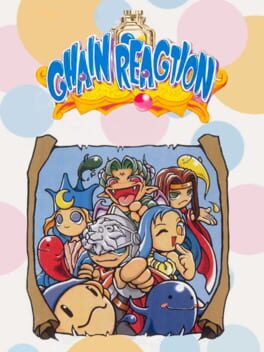
The arcade game "Magical Drop" received an updated version named "Magical Drop Plus 1!" that features aesthetic improvements and also introduces a "Solo Play" mode. Magical Drop Plus 1! was released in North America and Europe as "Chain Reaction"; in this version, the puzzle pieces are changed from spherical Drops to various items (such as food or celestial bodies) and the character-unique voice acting is replaced by a single male narrator. All versions of the original arcade game were developed for Data East's "MLC" arcade hardware. The game includes two game modes: the one-player score-based Solo Play (where additional lines of tiles regularly drop from the top of the screen) and two-player competitive Battle Mode (where the second player can be human or CPU opponents). Similar to Tetris Attack, players can make "chain reactions" by quickly creating near-simultaneous matches to either boost their score (in Solo Play) or fill up more of their opponent's playfield (in Battle Mode). Magical Drop was ported to the Super Famicom, which includes a puzzle mode that challenges players to solve preset puzzles given a limited number of possible moves. The game was re-imagined for the Sony PlayStation and Sega Saturn with different, pre-rendered characters. The Sega Saturn port was going to be released in America by Koei, and appeared at E3 1997, however the American release was cancelled. Finally, a port of the game is part of Magical Drop III + Wonderful; this includes the PAL version of III + Wonderful, which retains the Magical Drop Plus 1! name as opposed to using Chain Reaction.
Saturn
1996
This side out
Puzzle / Quiz/Trivia / Party
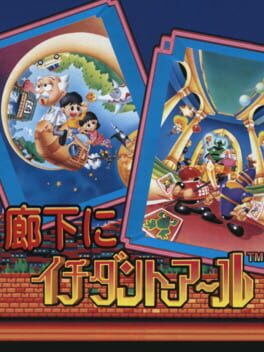
Sega Ages Rouka ni Ichidant-R is a compilation released under the "Sega Ages" line for the Sega Saturn. It includes a port of Puzzle & Action: Ichidant-R and Quiz Rouka ni Tattenasai!. It was released exclusively in Japan in 1996.
Arcade
1996
This side out
Role-playing (RPG) / Hack and slash/Beat 'em up / Arcade / Action / Fantasy
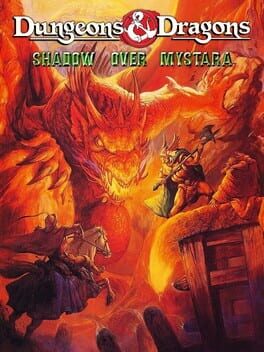
Shadow over Mystara is a side-scrolling beat-'em-up with role-play elements that make it stand out from other similar games released at the time. In addition to the original four heroes found in its predecessor, Dungeons & Dragons: Tower of Doom (Cleric, Dwarf, Elf and Fighter), Shadow of Mystara adds a Thief and a Magic-User to the selection. Furthermore, with the inclusion of two separate versions of each character's sprite set, the game allows up to two players to select the same character (in Tower of Doom each of the characters could only be selected once), effectively giving the game 12 "different" characters to choose from. The two Clerics and two Magic Users also have subtle differences within their spell books. The controls are using four buttons: Attack, Jump, Select (brings up a small inventory ring around the character allowing the player to choose what item is set in the Use slot) and Use. The Cleric, Elf and Magic-User also have two extra rings for their spells, with the Jump button used to switch from ring to ring. While the game uses the same kick harness as the previous game, the Select and Use buttons are reversed. Shadow over Mystara also introduced a selection of special moves which are executed by moving the joystick and tapping the buttons in certain combinations, in a way similar to the Street Fighter series. The characters (except for the Magic-User) have a Dashing Attack as well as a Rising Attack which can be used to combo monsters or even juggle them in the air. Most characters (again, with the exception of the Magic-User and also Cleric) also have a Megacrush, a move common to nearly all of Capcom side-scrollers, which damages all enemies standing close enough to the character but in turn also damaging the player themselves.
Still plenty of games...