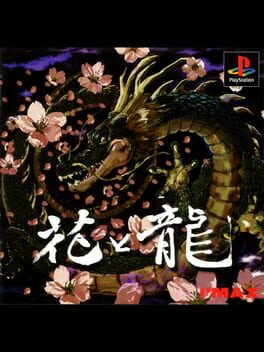

Hana to Ryuu is a yaoi manga series created by Kazuma Kodaka in 1993. Designed as a doujinshi, Hana to Ryu follows Ryuji Kazama, the son of a dead yakuza boss, as he struggles to maintain a peaceful existence while dealing with harmful forces all around him. Hana to Ryu takes place in the universe of another Kodaka series Kizuna, taking place 10-15 years before Kizuna.
The Kazama syndicate had been one of the most powerful and respected yakuza syndicates in Japan. But one day, the leader of the syndicate is brutally murdered and the syndicate is brought down as members of the organization are forced to scatter. Among these are Kazama's young children, including his oldest son Ryuji. They take refuge with their aunt and in time forget the tragedy that befell their family. Years later, when Ryuji has grown into a teenager, he comes home to find his aunt being gang-raped by apparently random thugs. The violence then escalates out of control and leaves everyone in the room dead, except for Ryuji who is covered in blood. Though it's unclear what exactly transpired in the room, Ryuji's arrested for all the murders, tried, and sentenced to life in prison. Ryuji spends only four years in prison, but it's not an easy time for him. Brutally beaten and gang-raped constantly, he becomes bitter at the world and wishes for death. But it's in prison that he meets former allies of his father's organization and he truly learns what he is. He even gains the strength to stand up to his tormentors, although his actions will later come back to haunt him. Upon his release Ryuji meets up with an older man named Hitoshi Araki, who comes to his aid when a thug tries to mug him. But Hitoshi isn't some stranger; he too was part of the Kazama syndicate—more so, one of Ryuji's father's most trusted allies and Ryuji's protector when Ryuji was younger. It's through Hitoshi that Ryuji begins to get a sense of his humility and innocence back and the two men form a deep, unbreakable bond that gradually grows to love. Unfortunately for these two, being in with the yakuza won't give them an easy life of peace. And though Ryuji had already suffered so much in his young life, it's only inevitable that it gets worse for him.
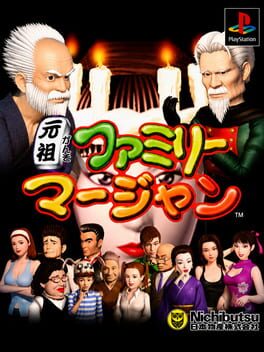
Ganso Family Mahjong is a mahjong game is which the player is a gambler (male or female one, since the game allows the player to choose a name, genre, blood type, etc) that in the new story mode he goes through some kind of board in which he advance playing mahjong matches againts computer opponents. The game also features a tournament mode, a free game mode and also a complete tutorial.

Sport / Strategy / Card & Board Game / Non-fiction
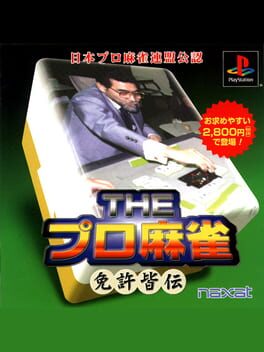
The Pro Mahjong - Menkyo Kaiden is a mahjong game that features 5 different boards, 2 game modes: - Tournament: Compete against different opponents advancing rounds. - Free Mode: Play mahjong games against 15 Japanese spies of the Japan Pro Mahjong Federation opponents. In the tournament domination mode, you can challenge the ranking certification exam at each rank.

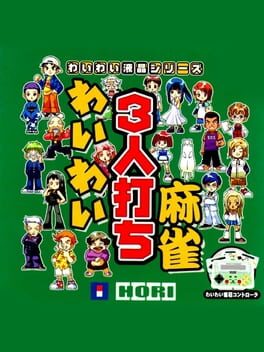
Wai Wai 3-nin Uchi Mahjong (also known as Wai Wai Sanninuchi Mahjong) is a 3-Player mahjong game that allows up to 3 human players to play at the same time using the multi-tap function. The game features 9 different characters to choose and different game modes. Mahjong is a game for four players that originated in China. Mahjong involves skill, strategy, and calculation, as well as a certain degree of chance. Depending on the variation which is played, luck can be anything from a minor to a dominant factor in success. In Asia, mahjong is also popularly played as a gambling game. In the game, each player is dealt either thirteen or sixteen tiles in a hand (depending on the variation being played). On their turn, players draw a tile and discard one, with the goal of making four or five melds (also depending on the variation) and one pair, or "head". Winning comes "on the draw", by drawing a new or discarded tile that completes the hand. Thus a winning hand actually contains fourteen (or seventeen) tiles. 3-Player (or 3-ka) Mahjong is a simplified 3-person Mahjong which involves hands of 13 tiles, and total tiles of 84 on the table and uses Joker tiles as well. It only includes the tong zhi tiles or circular shapes of patterns on the tiles for which is different from the conventional Chinese mahjong which has bamboo patterns, 10-thousand and the tong zhi tiles. It has jackpot or Royal Flush rules of winning, in which whoever accumulates a point of 10 is considered to hit the jackpot, with that some would double the winning stake. There are advantages of playing this version of game because you need fewer people to start a game and the turnaround time of a game is short, hence it is considered a speedfast game.

Quiz/Trivia / Card & Board Game / Non-fiction
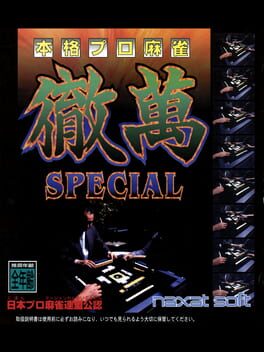
Tetsuman Special is a 4-way riichi mahjong game featuring the endorsement of the Japan Professional Mahjong League and the likenesses of 14 professional mahjong players (15 in the Saturn version). It is the third title in Naxat Soft's Tetsuman mahjong game series. There are two main play modes: Title Conquest mode tasks the player with winning against the pros to increase their rank and earn a total of 48 different professional titles; Free Game lets the player set up a more relaxed exhibition game against any set of opponents. The game also keeps detailed records on the player's performance which can be reviewed at any time.

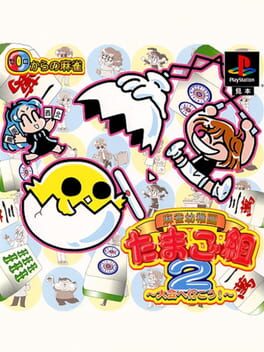
A direct sequel to 1999's mahjong game for kids 0 Kara no Mahjong: Mahjong Youchien - Tamago Gumi.

Turn-based strategy (TBS) / Tactical / Visual Novel / Romance
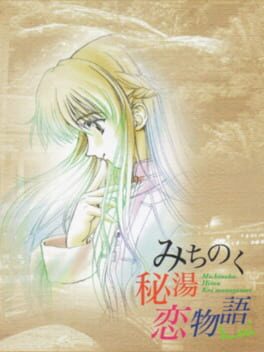
Michinoku Hitou Koi Monogatari Kai is the "sequel" or better said is an updated version to Michinoku Hitou Koi Monogatari that was a mix between a first person adventure game and a hanafuda game that tells the story of a young photographer that travels around the northeast part of Japan playing hanafuda games and taking pictures of the places that he visit. In this "sequel" the game features hints to help the player win in the hanafuda games.

Sport / Strategy / Card & Board Game / Comedy / Non-fiction
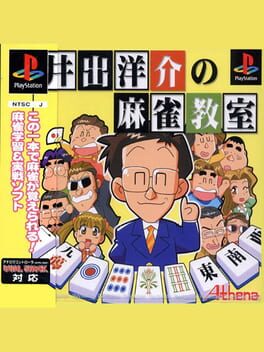
Ide Yōsuke no Mahjong Kyōshitsu is a Mahjong learning and practice game featuring Mahjong professional Ide Yōsuke. The game has a number of lessons shown with a manga style drawn Ide Yōsuke explaining the rules of the Chinese classic board game of Mahjong, and allows the player to try what they have learn on Mahjong boards.

Card & Board Game / Non-fiction
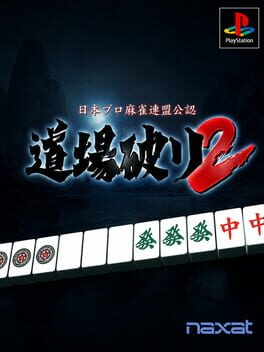
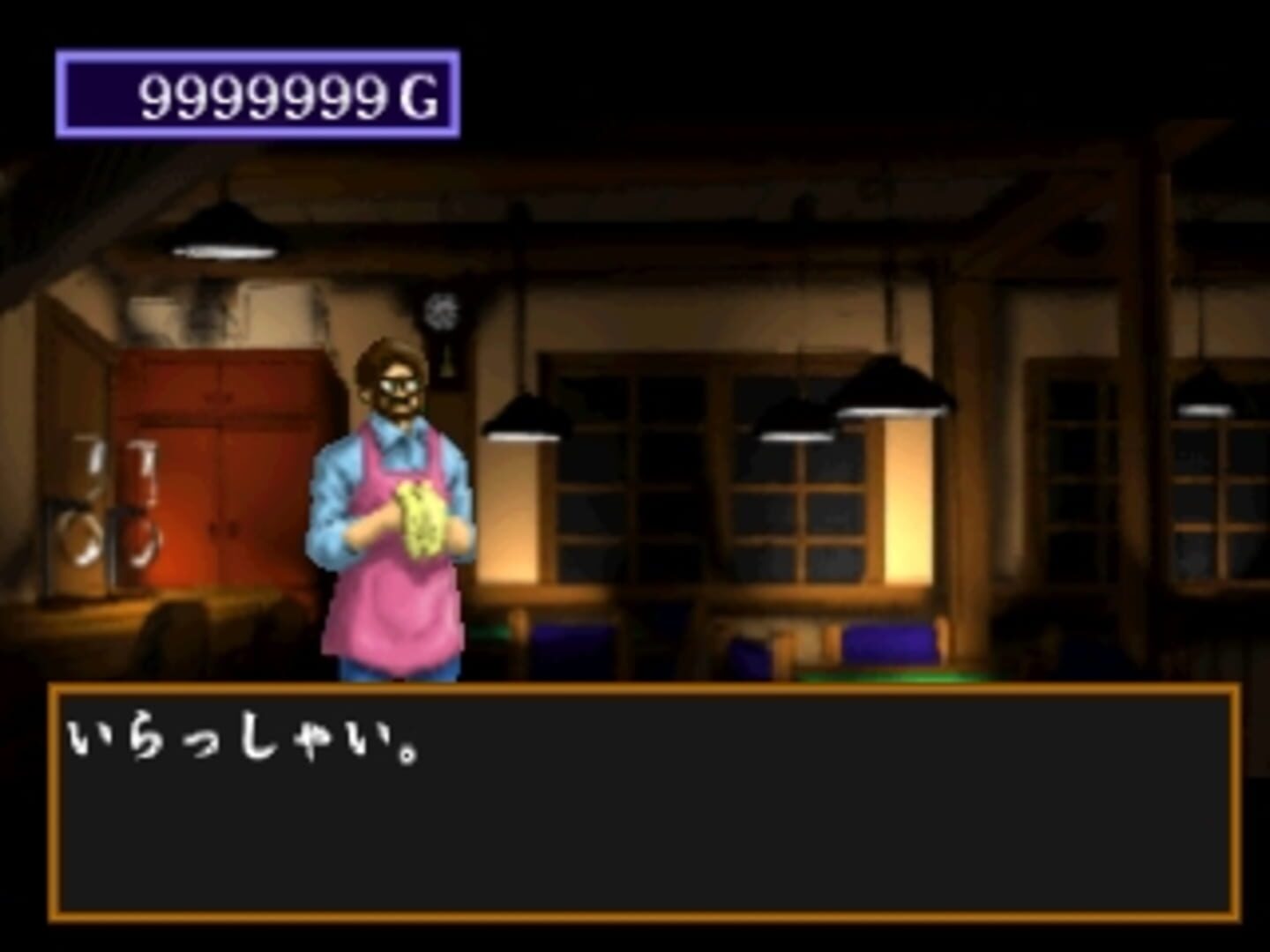
Nippon Pro Mahjong Renmei Kounin: Doujou Yaburi 2 is a Majong board game, developed by Naxat Soft and published by Chat Noir, which was released in Japan in 1999.