
Developed by FOG Inc. for Nippon Ichi Software.
Turn-based strategy (TBS) / Tactical / Visual Novel / Romance
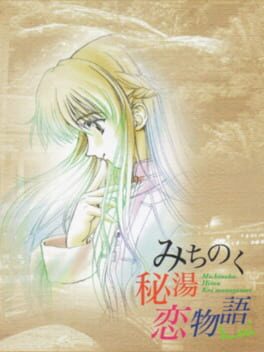
Michinoku Hitou Koi Monogatari Kai is the "sequel" or better said is an updated version to Michinoku Hitou Koi Monogatari that was a mix between a first person adventure game and a hanafuda game that tells the story of a young photographer that travels around the northeast part of Japan playing hanafuda games and taking pictures of the places that he visit. In this "sequel" the game features hints to help the player win in the hanafuda games.
During his journeys he will meet different girls and to take pictures of them he will have to defeat them in the hanafuda games. Hanafuda are playing cards of Japanese origin (karuta cards), used to play a number of games. The name literally translates as 'flower cards'.
Role-playing (RPG) / Turn-based strategy (TBS) / Tactical / Fantasy / Thriller
Lead epic battles in a new FINAL FANTASY world. Betrayal and darker dealings await in Squaresoft's game of war. Fight hundreds of battles across dangerous 3D terrain as an ancient blood feud awakens a deadlier foe.

Role-playing (RPG) / Strategy / Turn-based strategy (TBS) / Fantasy
The events of this game take place several years after Elk and Arc faced their ultimate enemy in "Arc the Lad II". You control Alec, a teenager whose entire village was destroyed by an unknown evil - an event that was later called "The Great Disaster". He was saved by a mysterious Hunter. Since then, growing peacefully in a village he was brought to, which was like a new home for the survivors of the Great Disaster, Alec dreams about meeting the Hunter again, and becoming a Hunter himself. Together with his best friend Lutz he tries his luck in nearby towns, receiving small Hunter jobs, until the fate crosses the ways of the two young people with a mysterious organization called the Academy. And there their adventure really begins... The gameplay of this third installment of Arc the Lad series is very similar to that of the predecessor. You fight enemies in turn-based battles, and can move freely on the battlefield, positioning your party members the way you like. You can upgrade your weapons by forging them with special materials, and have a variety of techniques and magic spells at your disposal.

Role-playing (RPG) / Turn-based strategy (TBS) / Tactical / Science fiction / Warfare
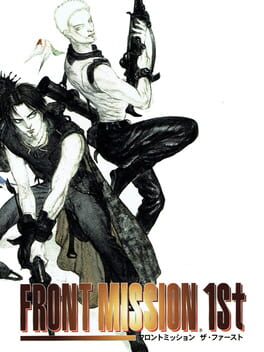
Originally released in 1995 on the Super Famicom, Square revisits their 16-bit heyday and updates Front Mission for a new legion of fans. Played on isometric grids, various mecha from your Canyon Crow attack squad are arrayed against opposing armies. Move, encounter and fight are the generics of the game but weapon and armor upgrades also factor in the game where your crew gets upgraded to higher levels of performance. The menus, stats, and weapon upgrades in the game are entirely in English which makes Front Mission very easy to get into for importers. The storyline and conversations are in Japanese but the scrolling account after the first battle tells of the new conflict between the OCU (Southern Asia Oceana Community Union) and the USN (United States of New Continent).

Turn-based strategy (TBS) / Tactical / Fantasy / Science fiction
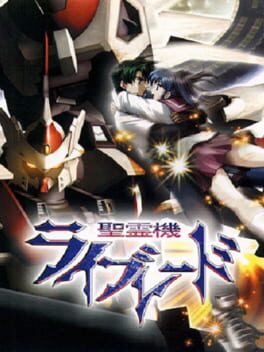
Seireiki Rayblade (pronounced as "rye-blade") is a turn-based tactical RPG in a very similar vein to Super Robot Wars/Taisen and Fire Emblem. The player controls pilots of robots throughout the entire campaign, battling against various types of enemies on an isometric field. All main characters possess powers that can give them a necessary edge in the battle. When enemy units are defeated, characters earn "prāna", their willpower. When prāna increases to a certain level, characters can perform more powerful attacks on the enemy. This game is actually a spiritual successor to the Masou Kishin: The Lord of Elemental, previously developed by Banpresto and Winky Soft. Banpresto went to develop the Super Robot Wars/Taisen franchise, while Winky Soft decided to make a game reminiscent of the original Masou Kishin. As such, the game shares many similarities with each other, including the combat, the gameplay, its mechanics, the science-fantasy setting, and even the design of the protagonist. However, the main story, while similar, plays out differently. Also, all combat in the game is performed on the playing field itself, i.e. it does not cut to a separate combat screen. The biggest addition to the genre is the character progression system in a "visual novel" style. After missions, players can talk to various characters and, depending on the choices, increase their loyalty levels. Such changes can have an impact on the performance of their teammates in battle. The game was also released for the Dreamcast console and got a sequel in Playstation 2.

Role-playing (RPG) / Strategy / Turn-based strategy (TBS) / Fantasy / Romance
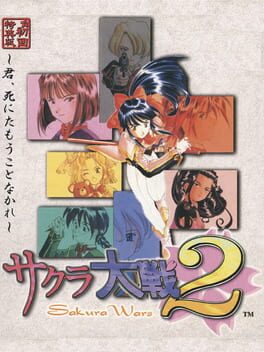
The sequel to the original Sega Saturn system seller (in Japan at least) becomes one of the Saturn's last great hurrahs. Head back to early 1900's Tokyo as Oogami Ichirou, a naval commander who's now become the last line of defense against the demons that stalk the capital. The all-female cast from the original returns in full, joined by two additional members. The grid-based strategy battles from the original are improved with better spell attacks and cleaner graphics, while the "LIPS" interactive conversation sequences feature better production values, color depth and a few additional twists on interactivity.

Strategy / Tactical / Adventure / Action / Science fiction
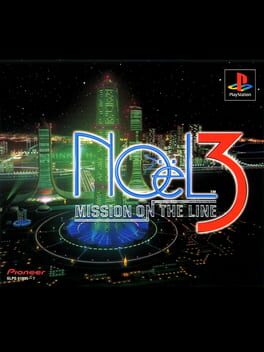
Noël 3 - Mission on the Line is the latest game in the Noël series. This time the game is a little different from the previous ones. The gameplay is about using your computer to destroy the terrorist virus and clear the network. To do that the player will use 3 antivirus that Yuka Okano created and to use them the player just have to choose hacking in a square of the network and select them in that square of the network that is infected and after that a bar will appear and pressing the button in the proper time will destroy the virus. Once some parts of the network is clear a video phone event will happen and Yuka Okano or other of the girls will talk to your character and give you more information to advance in the game and clear all the network, here the gameplay is similar to the other Noël games, and in the right panel sometimes a ball of light appear and if the player is quick enough he can click on it and transfer it to the catapult part and when the ball of light shines there click again to ask the girl about that subject and gather more information. The game features an album mode that will be unlocked playing the story mode. Probably this game is the best one in the series.

Strategy / Tactical / Card & Board Game / Non-fiction
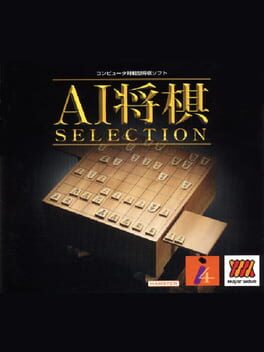
Introducing the ideal shogi game--providing a combination of strength, aptitude, and speed so that you won't have to wait. The YSS7.0 engine by Hiroshi Yamashita, undefeated champion of the 7th World Computer Shogi Tournament, has been optimized for use on the PlayStation. There are 4 levels of difficulty available, from "1. Expert" to "4. Novice." There is also a handy support feature for beginners, and a "Board Edit" function allowing you to edit the layout to your liking, so you can enjoy strategizing in a variety of mock situations.

Role-playing (RPG) / Strategy / Tactical / Fantasy / Romance
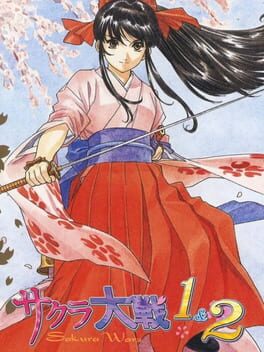
Sakura Taisen 1 & 2 (also known as Sakura Wars 1 & 2) is a dramatic adventure game compilation of "Sakura Taisen" (1996) and "Sakura Taisen 2 ~Thou Shalt Not Die~" (1998) for the PlayStation Portable released exclusively in Japan. A "Taishō Roman" story featuring lavish visuals, music, and voice acting, both timeless Sega Saturn masterpieces depict the battle between the Imperial Combat Revue and a great evil set in the Imperial Capital. Both games have been readjusted for widescreen and are compacted on a single UMD. While publishers attempted to release the game overseas, Sony Computer Entertainment America rejected the proposal due to the game's visual novel format and difficulties in localization and licensing.