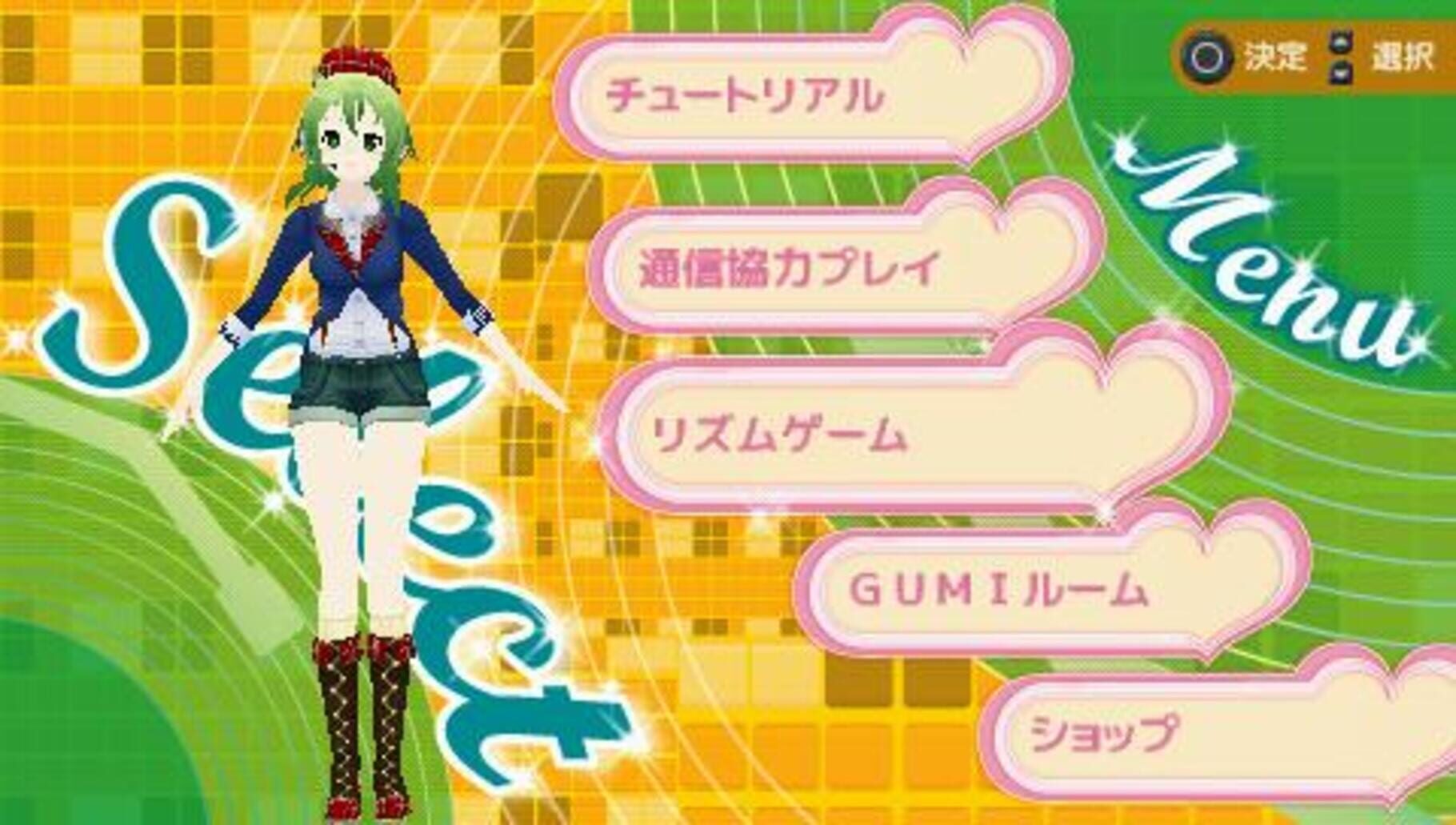
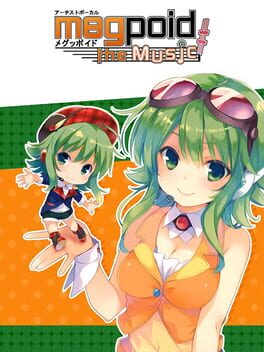
Megpoid the Music is a rhythm game developed by ParaPhray for the Playstation Portable. The game focuses on the Vocaloid GUMI and features 30 tracks of her solo catalog from various artists in the Vocaloid community.
Screenshots
Featured in
Megpoid the Music is a rhythm game developed by ParaPhray for the Playstation Portable. The game focuses on the Vocaloid GUMI and features 30 tracks of her solo catalog from various artists in the Vocaloid community.
Hatsune Miku: Project Diva Extend is a rhythm game and an enhanced version of the 2010 title, Hatsune Miku: Project Diva 2nd. Like the original the game primarily makes use of Vocaloids, a series of singing synthesizer software, and the songs created using these vocaloids most notably the virtual-diva Vocaloid Hatsune Miku. The gameplay remains the same as in the previous game, but Extend features a larger set of songs and modules. Similar to past games in the series, a companion game Hatsune Miku: Project Diva Dreamy Theater Extend was released on the PlayStation 3 with improved visuals and it also supports stereoscopic 3D for the first time in the series.
Hatsune Miku: Project Diva is a rhythm game and the first game in the Project Diva series. The game primarily makes use of Vocaloids, a series of singing synthesizer software, and the songs created using these Vocaloids most notably the virtual-diva Vocaloid Hatsune Miku. The game is the first video game to utilize the Vocaloid software developed by the Yamaha Corporation. In addition, Sega has released Hatsune Miku: Project Diva Dreamy Theater, a downloadable game on the PlayStation Network for the PlayStation 3. It allows players to play Project Diva on the PlayStation 3 with updated visuals though it requires the PlayStation Portable to be plugged into the PlayStation 3 via a USB cable.
Hatsune Miku: Project DIVA Arcade is an arcade rhythm game. The game is a port of the 2009 video game, Hatsune Miku: Project DIVA, with updated visuals. The gameplay is relatively the same as the original. The signature PlayStation buttons, cross, circle, square and triangle are now the 4 large buttons on the machine's panel, and players push those buttons to play the games. Unlike the handheld versions of the game, players can hold a button or buttons for an unlimited time when the game indicates to hold a certain note. This will allow players to receive a bonus which continuely increases the score until the player releases one of the held button or a "Max Hold Bonus" is granted. Another difference is that multiple buttons can be hit at the same time up to all four buttons. The arcade version features songs from both Hatsune Miku: Project DIVA series and Hatsune Miku and Future Stars: Project Mirai, along with a variety of original songs not included in either of the handheld versions. The Promotional Videos for the game, which are the videos playing in the background during a song have been updated and re-rendered for the game bearing a similar resemblance to the Dreamy Theatre versions of the PVs.
Everyone knows that Hatsune Miku can do anything. Virtual pop idol, racing team mascot, snow festival spokeswoman, boxing instructor... you name it, she's an expert. Now a member of the top secret Munitions Intervention Knowledge Unit (M.I.K.U.) she's ready to teach you the finer points of bomb defusal. Join Miku in solving 25 challenging puzzles while enjoying a bundle of chiptune Hatsune Miku song covers in this puzzle game exclusively for the Game Boy Color!
Relive the magic and rock your body to decades of iconic tracks. This unique interactive experience will immerse you in the world of the King of Pop. With Michael Jackson The Experience, dance to a wide variety of songs from Michael Jackson’s extensive catalogue including some of his greatest hits like Beat It and Billie Jean, while having a blast singing and mastering his incredible dance routines and signature moves! Discover and perform in soulful environments inspired by Michael Jackson’s ground-breaking music videos and stage performances.
Dance Dance Revolution Extreme is a music video game by Konami and is the eighth release in the main Dance Dance Revolution (DDR) series. It was released on December 25, 2002 for Japanese arcades, on October 9, 2003 for the Japanese PlayStation 2, and on September 21, 2004 for the North American PlayStation 2. This game is the ninth release in North America, but despite having the same name as its Japanese counterpart, its gameplay and soundtrack is significantly different[1] and won the Video Music Awards in 2005 on MTV for Best Video Game Soundtrack. While the PlayStation 2 version came out in North America, the arcade version was exclusive to Japan. Despite this, the arcade version was exported to many arcades in the USA (most of them being bootlegged). Dance Dance Revolution Extreme was the last game in the DDR arcade franchise for four years until Dance Dance Revolution SuperNova in 2006. The arcade release of the game contains one of the largest soundtracks of any DDR game, featuring 240 songs, as well as music from other Bemani music titles. Konami issued an in-game thank you to the fans of Dance Dance Revolution and announced a rejuvenation of the entire series, but did not go into details. Konami's announcement led people to believe that DDR Extreme might be the final DDR release or that the series might be on hiatus or rebooted in the same manner as Beatmania and Beatmania IIDX.
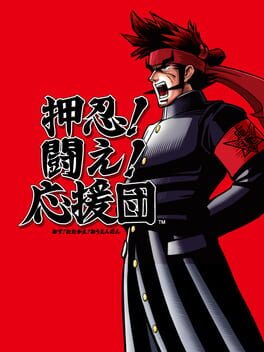
Osu! Tatakae! Ouendan, or simply Ouendan, is a rhythm video game developed by iNiS and published by Nintendo for the Nintendo DS handheld game console in 2005, for release only in Japan. Ouendan stars a cheer squad rhythmically cheering for various troubled people, presented in game in the style of a manga comic. In each stage, players use the DS touchscreen to tap specifically marked spots that appear in rhythm to various Japanese pop songs, scoring points for accurate timing and avoiding a poor performance which can cause the stage to end prematurely. Though never released in Western markets, it was a popular import to these regions, leading to the development of the Westernized spiritual sequel Elite Beat Agents, as well as a direct Japanese sequel Moero! Nekketsu Rhythm Damashii Osu! Tatakae! Ouendan 2.
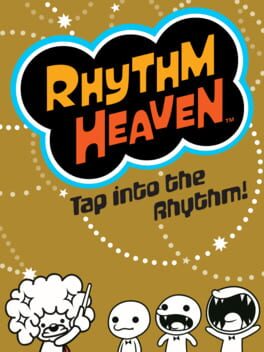
Rhythm Heaven puts the music in your hands and some rhythm in your life. Let the music move you as you tap and slide your stylus on the touch screen to the beat of more than 50 musical rhythm games. The controls are as natural as tapping your finger to music.