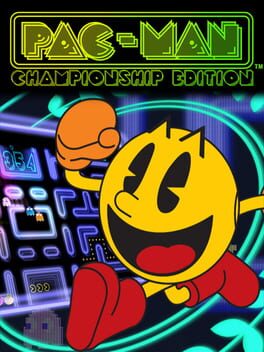
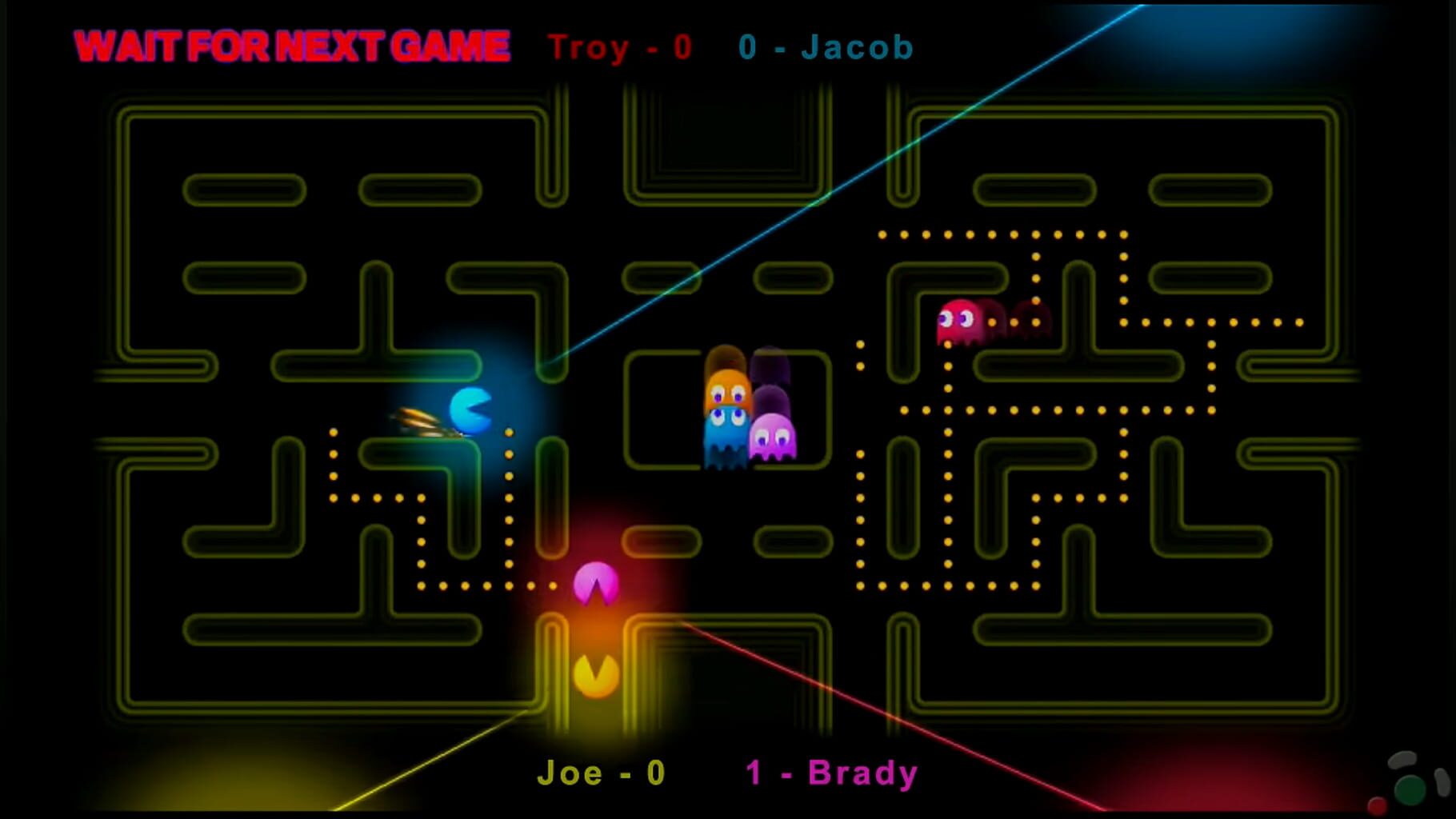
Pac-Man Battle Royale is a 4-player simultaneous arcade game created as part of Pac-Man's 30th anniversary celebration. Each player is a different colored Pac-Man, with a similar graphic style to Pac-Man Championship Edition.

Pac-Man Championship Edition is similar in basic gameplay to the original 1980 Pac-Man: players have to eat dots, while avoiding the four ghosts that roam around the maze. Championship Edition, however, also brings many gameplay differences. The game was designed by Tōru Iwatani, the creator of the classic original 1980 arcade game Pac-Man, and it was Iwatani's final game before his retirement.

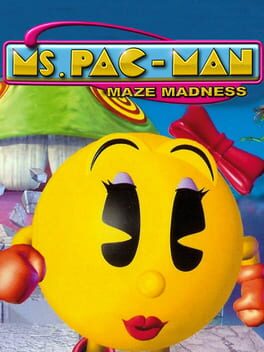
Professor Pac learns that the witch, Mesmerelda, has seized control of the Enchanted Castle using black magic and from there is planning on stealing all four Gems of Virtue (Generosity; Truth; Wisdom; Courage) to control the "four wonders" (areas of Pac-Land). He creates a device called a Pactrometer which allows Ms. Pac-Man to go to these areas to recover the gems before Mesmerelda can get them first.

Shooter / Platform / Puzzle / Action / Science fiction
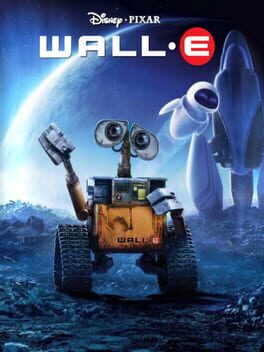
Based on the 2008 computer-animated film from Pixar Animation Studios, the video game version of WALL-E involves playing as the lonely robot as he navigates a trash-tainted world and begins an unlikely trek across the cosmos.

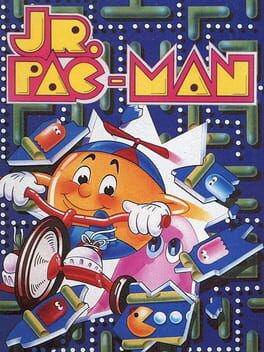
The gameplay of Jr. Pac-Man is similar to that of its predecessors: The player controls the titular Jr. Pac-Man and scores points by eating all of the dots in the maze. Four ghosts roam the maze and attempt to capture him. The player can eat an energizer to turn the ghosts blue, making them vulnerable for a short time and allowing the player to eat them, sending their eyes back to their home base. When all the dots are cleared, a new maze is presented and gameplay resumes.

Puzzle / Strategy / Arcade / Action
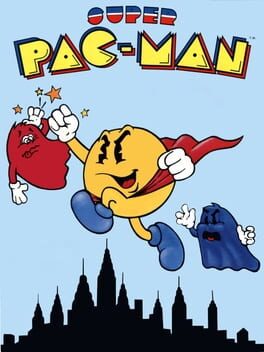
Super Pac-Man is a game in Namco's Pac-Man family, but instead of gobbling up dots, Pac is required to eat fruit and prizes, such as apples, bunches of bananas, doughnuts, hamburgers, fried eggs, ears of corn, sneakers, pieces of cakes, raspberries, limes, cups of coffee, mushrooms, Galaxians, bells, and shamrocks. Most of these items are hidden in passages that have locked doors at either entrance, and in order to unlock the doors, Pac needs to eat the key that is closest to the passage that he wishes to unlock. As usual, ghosts will keep chasing Pac around the maze until he has lost all his lives. However, Pac can enter the warp tunnels at either side of the maze to lose the ghosts quickly. There are two types of power pellets in the maze: green and yellow. Yellow power pellets cause ghosts to turn blue, allowing Pac to eat them for points, whereas green ones cause Pac to enlarge and will also cause the ghosts to become much thinner and wider, allowing him to fly over them. He can also break open the doors without the need of keys. The effects of the pellets, unfortunately, only last for a number of seconds. During the time that he is enlarged, a flashing star will appear besides two boxes that are located in the middle of the maze. The first box will display the current fruit or prize, and the other will display a rotating selection of them. If Pac manages to eat the star when they match there will be a large bonus score. Occasionally, after three or more stages, there will be a bonus stage where Pac automatically gets enlarged. The object of these stages is to eat everything in the maze before the time runs out and, during these stages, there will be no ghosts to pursue him.
Puzzle / Arcade / Action / Educational
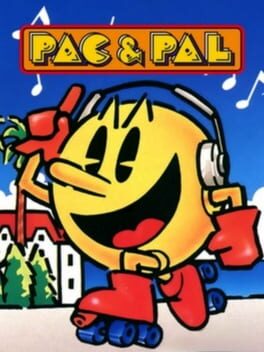
Pac & Pal is an arcade game that was released by Namco on July 30, 1983 exclusively in Japan. It runs on Namco Super Pac-Man hardware, and the object of the game is for Pac-Man to eat all the items before he is caught by the ghosts. Most of the items are fruits from the original Pac-Man game, with a few new additions. Their value varies, starting with cherries at 50 points, and ending with keys from 700 to 5000 points. The items had to first be unlocked by turning over cards distributed around the maze (instead of eating keys like in Super Pac-Man). Very few cabinets still exist today, and this is possibly one of the rarest Pac-Man titles to find in playable format outside Japan.

Puzzle / Adventure / Arcade / Action / Comedy
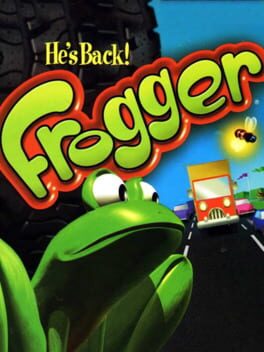
A remake and reimagining of Frogger. However, unlike the original game, most of the maps are more complex and require exploration. In each level, the player must collect five baby frogs within a certain amount of time. There are various obstacles, traps, and enemies which must be avoided and usually are unique to a certain zone. There are a total of 33 levels spread out across nine different zones.

Shooter / Puzzle / Indie / Action / Science fiction
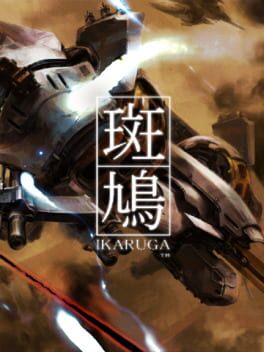
In this vertical scrolling spaceship shooter, you control a ship that can change its polarity at will. As blue/white, the ship can easily destroy red/black enemies, and vice versa. Bullets of your polarity can be collected to fuel your energy gauge, but those opposite will kill you. Destroying an enemy ship causes them to fire revenge bullets which can be absorbed and fired back by the player. Different difficulties exist to change exactly how you interact with polarized points, or how they appear. It is the spiritual successor to Radiant Silvergun, featuring similar level and boss design, as well as it's buddhism inspired themes and aesthetics. Both are directed by Hiroshi Iuchi, who also composed Ikaruga's soundtrack.