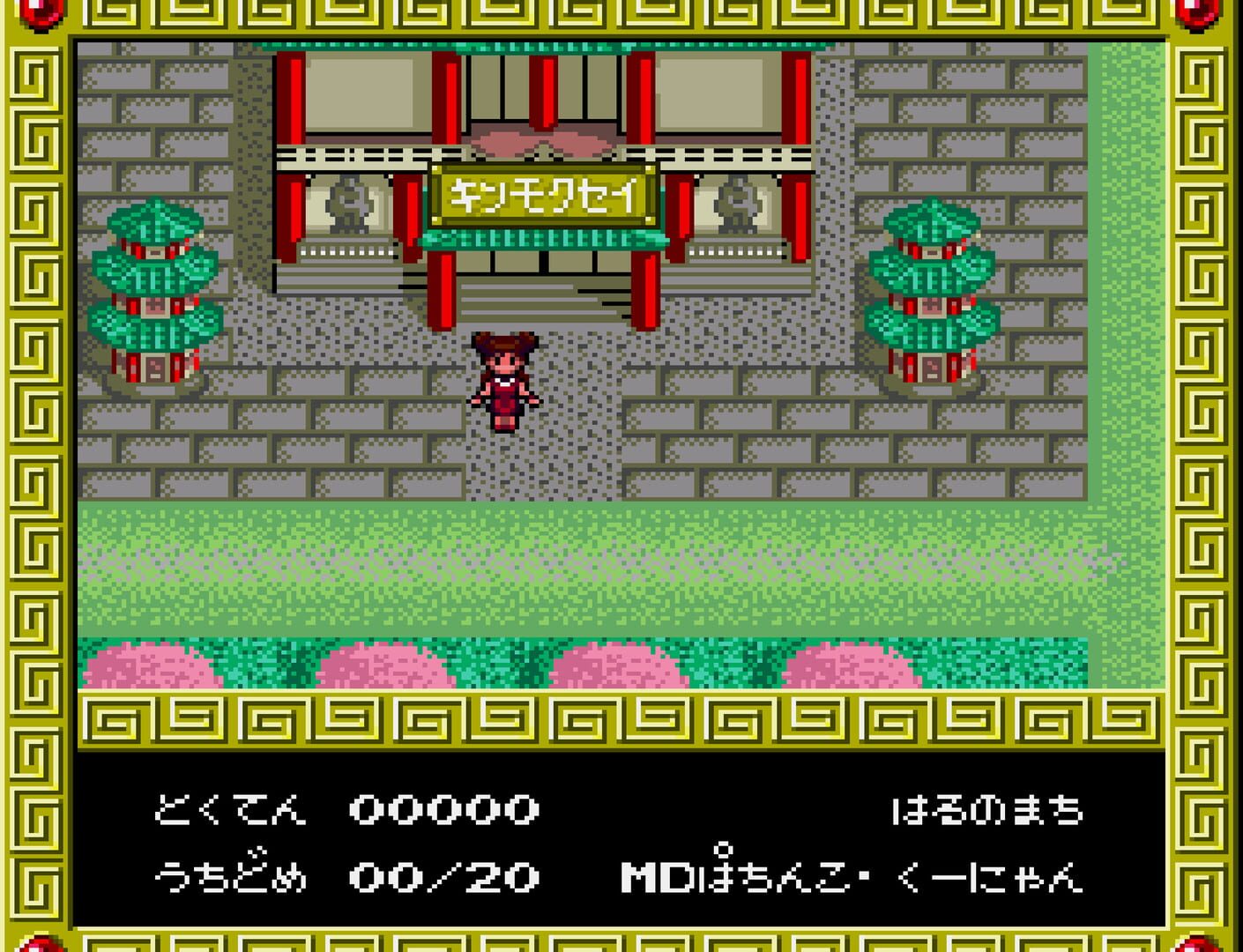
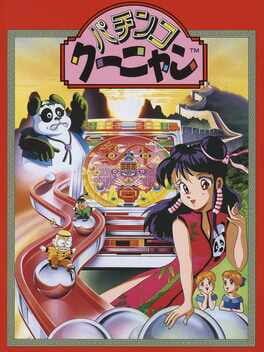

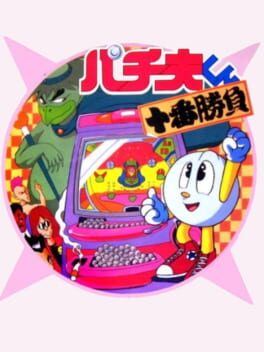
Yokohama Pachi-Pachi Chinatown is an island where all the people love pachinko. One day, a mysterious evil panda decides he must have it, and steals it for himself, turning it into his own personal pachinko island, a place where anyone who enters can never leave. Chen is a man who loves pachinko, and one day he heads of to the famous pachinko parlors of Yokohama...and never returns. Fortune tells that very soon, the person who will stop the evils of this pachinko parlor will appear, and Chen's daughter, Ren, sets out on her 18th birthday for Yokohama, looking for her father. Pachinko Kuunyan is a pachinko RPG much like the Pachio-kun series. The player controls Ren as in a standard role-playing game, but rather than fighting battles, she can enter pachinko halls and play the machines. Each of the five cities has several pachinko halls, and Ren must empty out a certain number of machines before she can move on to the next city. If she runs out of balls, then the game is over.
Role-playing (RPG) / Action / Fantasy
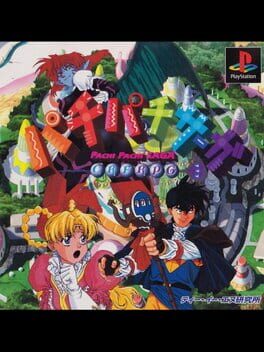
Pachi Pachi Saga is a role-playing game released by TEN Kenkyuujo on Playstation in 1996. This game includes Japanese pachinko elements. Your ability to attack in battle is determined by the design of the drums. Also, if you collect pachinko balls, you can exchange them for items.

Role-playing (RPG) / Adventure / Action / Fantasy
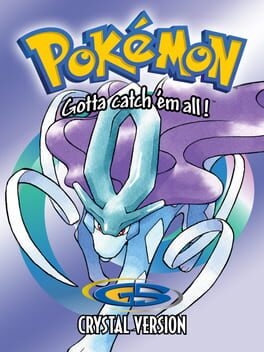
Pokemon Crystal is an enhanced version of Pokemon Gold and Silver and a role-playing game played from a top-down perspective. As in the earlier versions, the player explores the Johto region, catches and trains Pokemon, and battles other Trainers in turn-based combat while earning Gym Badges and filling out the Pokedex. Crystal keeps the same core adventure while adding refinements, including the option to play as a female character and animated Pokemon sprites. It retains series staples such as a real-time clock, Pokemon breeding, and trading and battling with other games via a link connection.

Role-playing (RPG) / Adventure / Action / Fantasy
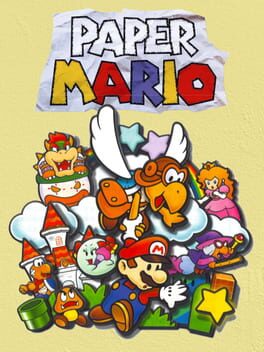
Paper Mario, a turn-based JRPG entry in the Mario franchise with a paper-based aesthetic and platforming elements, sees the titular character working his way through the Mushroom Kingdom's diverse locales and biomes, meeting its inhabitants, fighthing unruly enemies and recruiting an array of companions in order to once again save Princess Peach from the clutches of the evil Koopa King Bowser.

Role-playing (RPG) / Turn-based strategy (TBS) / Adventure / Action / Fantasy
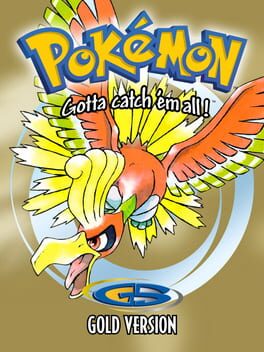
Pokémon Gold, along with Pokémon Silver, are the sequels to Pokémon Red and Blue. They offer 100 new Pokémon to capture and train, 8 more Gyms to take on and a new Pokémon League challenge. Featuring an expanded post-game, Pokémon Gold and Silver additionally offer extra content from the previous entries in the series.

Role-playing (RPG) / Turn-based strategy (TBS) / Adventure / Action / Fantasy
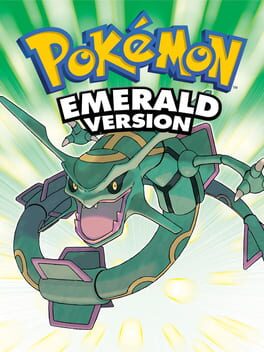
Pokémon Emerald Version is a sister game to Pokémon Ruby and Sapphire. Emerald Version provided the main storyline with more depth and length, as well as making small aesthetic changes to the world and adding unique animations for each Pokémon.

Role-playing (RPG) / Turn-based strategy (TBS) / Adventure / Fantasy / Kids
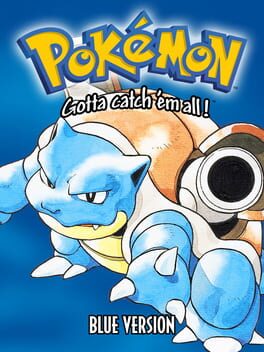
Pokémon Blue is the third core series Pokémon game released as a minor revision of Pokémon Red and Green, which were released earlier that year. It was thus the first solitary version in the core series of Pokémon games. Various fixes in the game include a graphics and sound upgrade, as well as the removal of several known glitches that had been found in the original pair. Outside of Japan, its graphics, game engine and script formed the basis of Pokémon Red and Blue, while the wild Pokémon and game-exclusive Pokémon lists were changed to match Red and Green.

Racing / Role-playing (RPG) / Turn-based strategy (TBS) / Fantasy
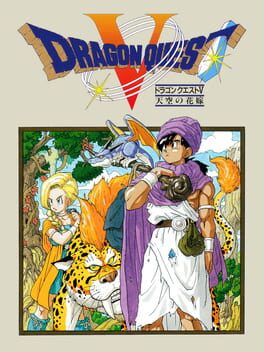
Dragon Quest V: Tenkuu no Hanayome is a role-playing video game and the fifth installment in the Dragon Quest video game series, second of the Zenithian Trilogy. Originally developed by Chunsoft and published by Enix Corporation, Dragon Quest V was the first title in the series to be released for the Super Famicom video game console in Japan in September 1992. Dragon Quest V was the first game in the series to not be released outside Japan due to programming issues at the time.