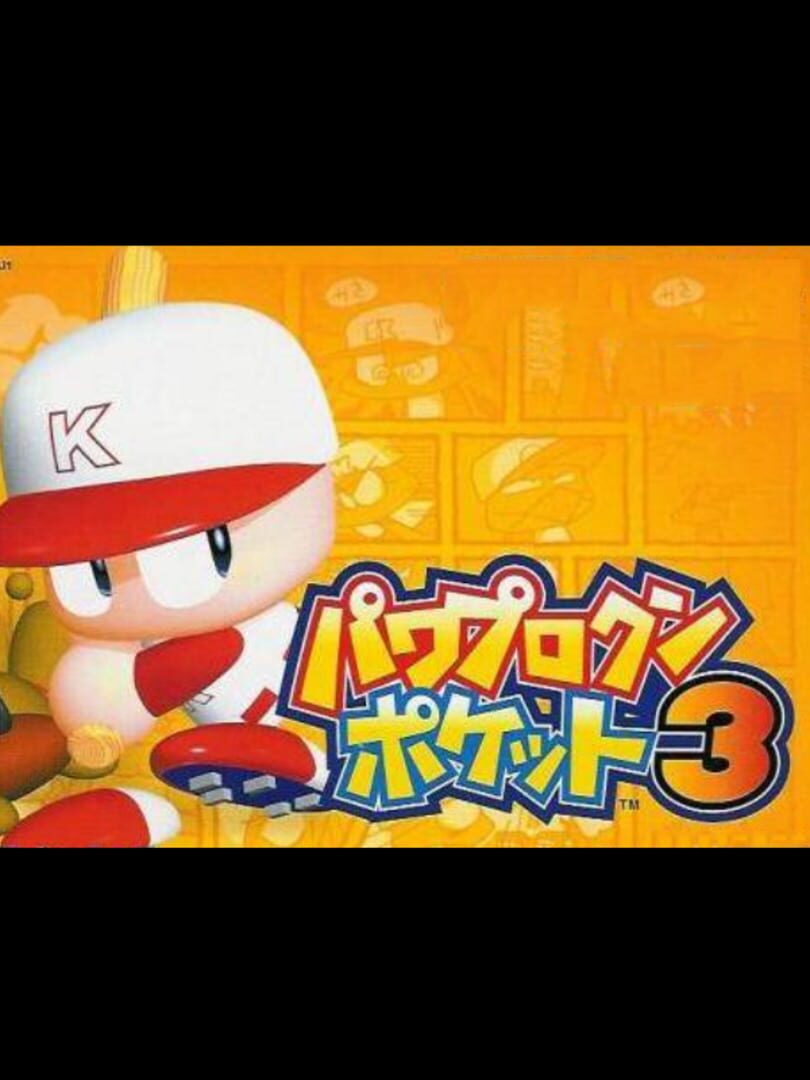
Pawapuro-kun comes to the Game Boy Advance.
Featured in
Pawapuro-kun comes to the Game Boy Advance.
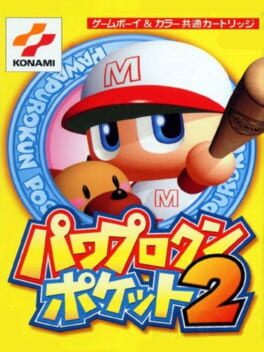
The second installment in the popular portable baseball franchise.

Pawapuro-kun Pocket's second incarnation on the Game Boy Advance.
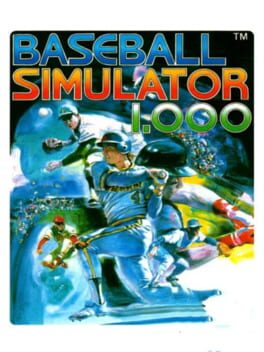
Baseball Simulator 1.000 was made by Culture Brain exclusively for the Nintendo Entertainment System. Released in 1989, it was praised by Electronic Gaming Monthly as the "Best Sports-Themed Video Game" of 1989. This was largely due to some unique gameplay features that helped it to set itself apart from the many other baseball games released.
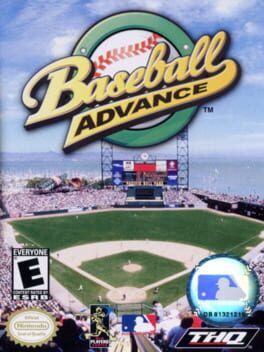
Baseball Advance is a baseball game produced by Sega, developed by Smilebit and published by THQ for the Game Boy Advance. It was later released in Japan as Greatest Nine with different licenses.
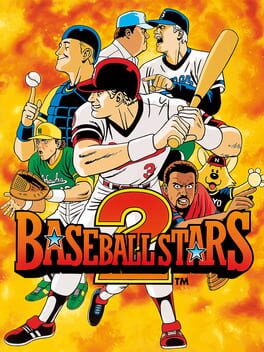
Sport / Arcade / Action / Non-fiction
Baseball Stars 2 is the sequel to the very successful Baseball Stars game released for Nintendo in the late 1980s. It was released by SNK for Arcade, as well as the Nintendo Entertainment System. Players can create leagues of up to 125 games (6 teams playing each other 25 times) and view statistics such as League Standings, Average, Home Runs, Runs Batted In, Earned Run Average, Wins and Saves. Players can fire players and upgrade them using the same 15-point system introduced in the original Baseball Stars.
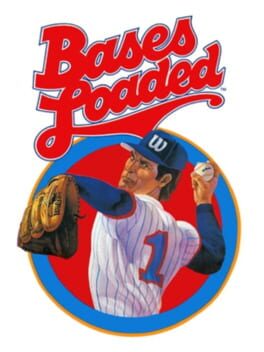
Bases Loaded is a baseball game that was released for Arcade and the Nintendo Entertainment System in 1987. It was developed by Jaleco and TOSE, and was the first installment in the Bases Loaded series, which was followed by seven sequels for three generations of consoles. The game tried to focus on the confrontation between the pitcher and the batter, putting emphasis on the face-off between the two. Unfortunately, this made the perspective fairly limited in determining where to hit the ball, or even where the ball was during a pitch.
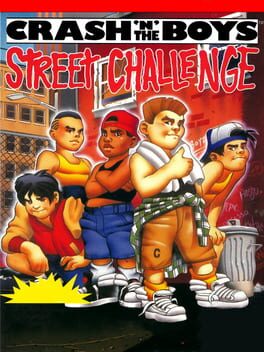
Fighting / Racing / Sport / Action
Theodore "Todd" Thornley IV has had enough. After being humiliated once again by his rival, Jeff "Crash" Cooney and his blue-collar buddies from Southside High School at the All-City Track Meet, he has decided to issue a challenge to Crash. Inviting two of the other elite high schools to participate in the challenge, plus an additional team sponsored by his wealthy father, Todd has seemingly stacked the deck against Crash and his boys. The game has four different teams to choose from, as well as a fifth computer-controlled team. Each team have five members each with their own strengths and weaknesses, making some better suited to certain events than others. Before each event, players have the opportunity to go shopping in the mall to buy power-ups for their characters. These items are paid for through the various medals that each team achieve as they progress through the challenge, but since the winner of the challenge is the team that collects the most medals overall, players must be fairly judicious in how much they spend. There are two types of events in the game: individual events (Hammer Throw and Roof Top Jumping) and head-to-head events (400 Meter Hurdles, Swimming and Fighting). In individual events, each team takes turn individually and ranking is determined by who gets the most points. The head-to-head events take place under a single elimination tournament format, in which one player against another in a series of heats. The player who successfully defeats both of his opponents will get to compete against a member of Team Thornley for first place. The game can be played by up to four players. Since there's never more than two teams competing at the same time, the third and fourth player can play simply by alternating between the two controllers. Thus, a four player adapter is not required, unlike other Kunio-kun games.
Fighting / Sport / Hack and slash/Beat 'em up / Action / Comedy
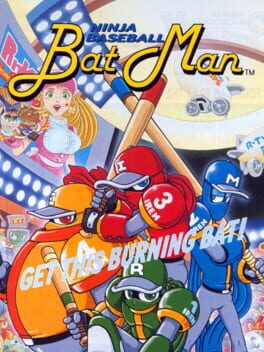
Ninja Baseball Bat Man is a 1993 beat 'em up developed and published by Irem Corporation in association with its North American division Irem America exclusively as an arcade game. It is the fourth arcade game by IREM to use a belt scroll perspective, following Blade Master, Hook and Undercover Cops.