Developed by Game Freak for The Pokémon Company.
Role-playing (RPG) / Turn-based strategy (TBS) / Adventure / Action / Fantasy
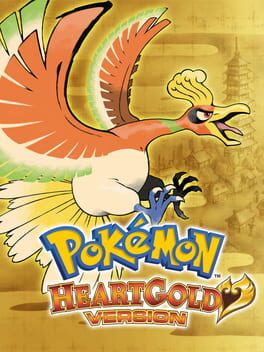
Pokemon HeartGold Version and Pokemon SoulSilver Version return players to the scenic Johto region first introduced in the beloved original Pokemon Gold and Pokemon Silver games nearly a decade ago. The richly detailed adventure of Pokemon Gold and Pokemon Silver is now enhanced for the Nintendo DS and Nintendo DSi systems with updated graphics and sound, as well as new touch-screen features and a host of surprises. Pokemon HeartGold Version and Pokemon SoulSilver Version bring dozens of Pokemon characters back into the limelight for a new Pokemon generation - and longtime fans - to catch, train and battle.

Role-playing (RPG) / Turn-based strategy (TBS) / Adventure / Action / Fantasy
Pokémon HeartGold Version and Pokémon SoulSilver Version are paired Generation IV remakes of the Generation II games Pokémon Gold and Silver. Much like how Pokémon FireRed and LeafGreen revisited the Generation I story of Kanto, HeartGold and SoulSilver retell the story of Johto, with the player's starting town being New Bark Town. While the games feature several expansions in key areas, the overall plot follows the same direction as the original Gold and Silver. Some aspects exclusive to Crystal are also included. Like how FireRed and LeafGreen could link up with Ruby, Sapphire, and Emerald to complete the Pokédex by trading regionally exclusive Pokémon, HeartGold and SoulSilver can link up with Diamond, Pearl, and Platinum to obtain Pokémon unavailable in Johto and Kanto (such as the Sinnoh starters) and vice versa. Kris, despite being the female counterpart of Crystal's player character, is not included as the female player character, with a new character instead taking her place. Whether she is chosen to be the player character or not, this new character will still appear in the game. The unselected protagonist will take a pseudo-rival role similar to the unselected characters of Ruby, Sapphire, Emerald, Diamond, Pearl, and Platinum. The games were released on September 12, 2009 in Japan, February 4, 2010 in Korea, March 14, 2010 in North America, March 25, 2010 in Australia and March 26, 2010 in Europe (this excludes the Netherlands, Luxembourg and parts of Belgium due to an in-game save error, with the patched copies later released on April 2, 2010).

Role-playing (RPG) / Turn-based strategy (TBS) / Adventure / Action / Fantasy
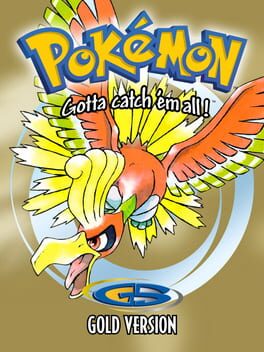
Pokémon Gold, along with Pokémon Silver, are the sequels to Pokémon Red and Blue. They offer 100 new Pokémon to capture and train, 8 more Gyms to take on and a new Pokémon League challenge. Featuring an expanded post-game, Pokémon Gold and Silver additionally offer extra content from the previous entries in the series.

Role-playing (RPG) / Turn-based strategy (TBS) / Adventure / Action / Fantasy
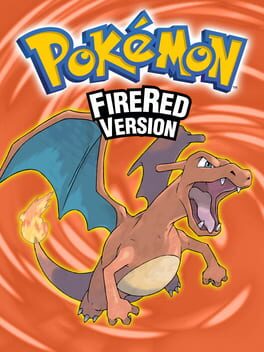
Pokémon FireRed Version and Pokémon LeafGreen Version are a pair of core series Generation III games that are set in the Kanto region. They were released in Japan on January 29, 2004, in North America on September 9, 2004, in Australia on September 23, 2004 and in Europe on October 1, 2004. As the first remakes in the Pokémon franchise, the games revisit the original pair of Pokémon games, Pokémon Red and Green Versions, and so feature all of the characters, plot elements, and challenges of them, but with several important upgrades to bring them up to speed with other Generation III games. The Game Boy Advance Wireless Adapter was initially included with the games when they were first released, eliminating the need for Game Link Cables when trading between the two games (and later Pokémon Emerald Version). In later copies, it was sold separately. FireRed and LeafGreen went on to become the second best-selling games of the Game Boy Advance, only behind Pokémon Ruby and Sapphire Versions. They also received Nintendo's Player's Choice awards.

Role-playing (RPG) / Turn-based strategy (TBS) / Adventure / Action / Fantasy
Pokémon LeafGreen Version and Pokémon FireRed Version are a pair of core series Generation III games that are set in the Kanto region. They were released in Japan on January 29, 2004, in North America on September 9, 2004, in Australia on September 23, 2004 and in Europe on October 1, 2004. As the first remakes in the Pokémon franchise, the games revisit the original pair of Pokémon games, Pokémon Red and Green Versions, and so feature all of the characters, plot elements, and challenges of them, but with several important upgrades to bring them up to speed with other Generation III games. The Game Boy Advance Wireless Adapter was initially included with the games when they were first released, eliminating the need for Game Link Cables when trading between the two games (and later Pokémon Emerald Version). In later copies, it was sold separately. FireRed and LeafGreen went on to become the second best-selling games of the Game Boy Advance, only behind Pokémon Ruby and Sapphire Versions. They also received Nintendo's Player's Choice awards.

Role-playing (RPG) / Turn-based strategy (TBS) / Adventure / Action / Fantasy
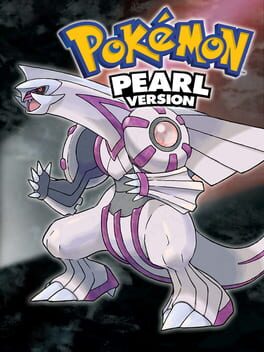
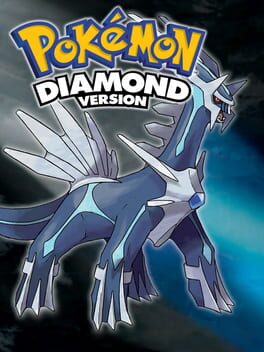
Pokémon Pearl Version and Diamond Version are role-playing games (RPGs) developed by Game Freak and published by Nintendo for the Nintendo DS. With the enhanced remake Pokémon Platinum, the games comprise the fifth installment and fourth generation of the Pokémon series of RPGs. First released in Japan on September 28, 2006, the games were later released to North America, Australia, and Europe over the course of 2007. Like previous Pokémon games, Diamond and Pearl chronicle the adventures of a young Pokémon trainer as he/she trains and battles Pokémon while also thwarting the schemes of a criminal organization. The games add many new features, such as Internet play over the Nintendo Wi-Fi Connection and changes to battle mechanics and Pokémon Contests, along with addition of 107 new Pokémon. The games are independent of each other but feature largely the same plot and while both can be played separately, it is necessary to trade between them in order to complete the games' Pokédexes.

Role-playing (RPG) / Turn-based strategy (TBS) / Adventure / Action / Fantasy
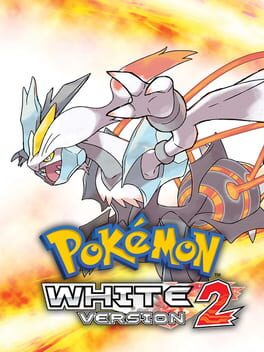
Pokémon White Version 2 and Pokémon Black Version 2 are the second and final paired versions of Generation V and are the sequels of Pokémon Black and White, respectively. Both games were revealed on Pokémon Smash! by Junichi Masuda, and subsequently the official Japanese and international Pokémon websites, on February 26, 2012. They were released in Japan on June 23, 2012, in North America on October 7, 2012, in Australia on October 11, 2012, in Europe on October 12, 2012 and in South Korea on November 8, 2012. The games feature two new forms of Kyurem that serve as the game mascots of the games: Black Kyurem for Black 2 and White Kyurem for White 2.

Role-playing (RPG) / Turn-based strategy (TBS) / Adventure / Action / Fantasy
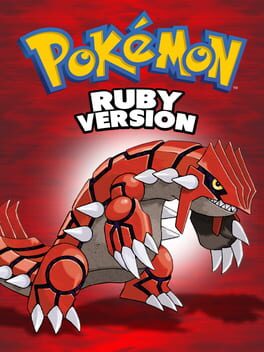
Sequel to Pokémon Gold and Silver Versions (1999), Pokémon Ruby and Sapphire Versions offer 135 new Pokémon, more complex battling and training systems, new crime organizations, a longer and more story-focused campaign and upgraded graphics to create a new and technically improved Pokémon experience.

Role-playing (RPG) / Turn-based strategy (TBS) / Adventure / Action / Fantasy
Pokémon Diamond Version and Pearl Version are role-playing games (RPGs) developed by Game Freak and published by Nintendo for the Nintendo DS. With the enhanced remake Pokémon Platinum, the games comprise the fifth installment and fourth generation of the Pokémon series of RPGs. First released in Japan on September 28, 2006, the games were later released to North America, Australia, and Europe over the course of 2007. Like previous Pokémon games, Diamond and Pearl chronicle the adventures of a young Pokémon trainer as he/she trains and battles Pokémon while also thwarting the schemes of a criminal organization. The games add many new features, such as Internet play over the Nintendo Wi-Fi Connection and changes to battle mechanics and Pokémon Contests, along with addition of 107 new Pokémon. The games are independent of each other but feature largely the same plot and while both can be played separately, it is necessary to trade between them in order to complete the games' Pokédexes.