
Developed by Atari Games for GruntZilla94.
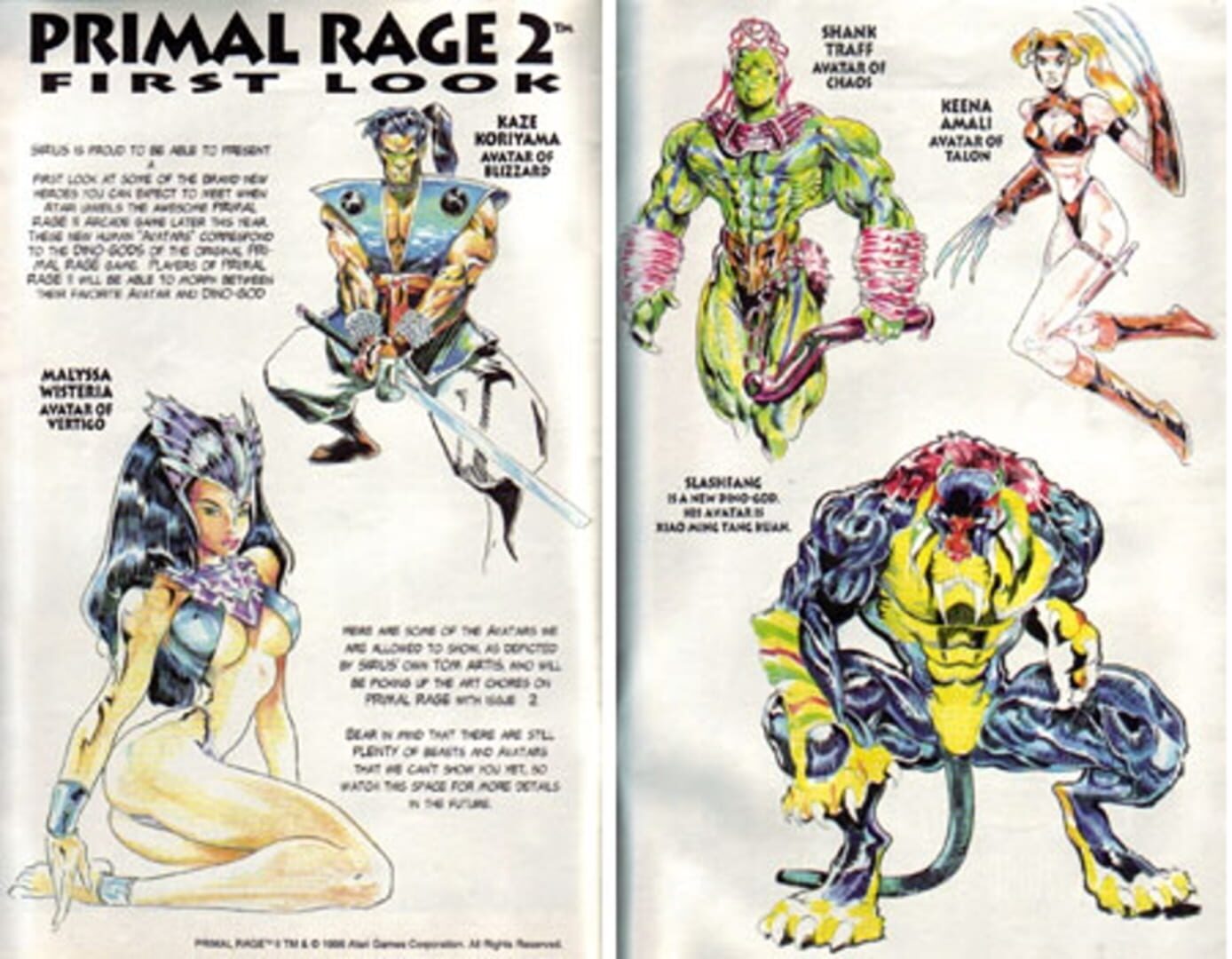
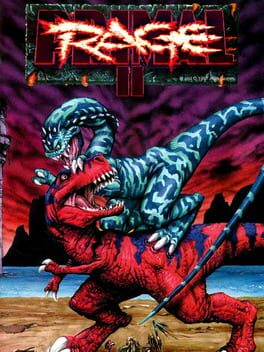
Primal Rage II is the cancelled sequel to Primal Rage. It started development in 1996 and was set to be released in 1997, but the game was cancelled due to the shrinking popularity of arcades. The game would feature avatars of the gods as playable characters. Necrosan trapped the gods so they couldn't fight him, so the avatars had to save the gods by fighting each other to reach Necrosan. If the player were to beat Necrosan then they would get an ending. Only one cabinet of the game is known to exist, and it can be found at the Galloping Ghost Arcade in Brookfield, Illinois. As of 02/11/2017, the emulation of the game is fully functional, thanks to YouTube user GruntZilla94.
The game would feature avatars of the gods as playable characters. Necrosan trapped the gods so they couldn't fight him, so the avatars had to save the gods by fighting each other to reach Necrosan. If the player were to beat Necrosan then they would get an ending.
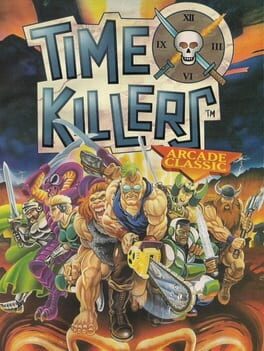
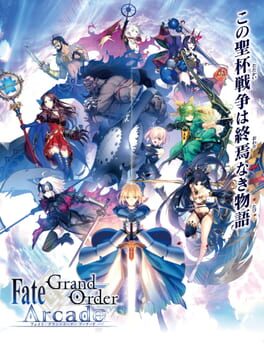
Fighting / Role-playing (RPG) / Hack and slash/Beat 'em up / Action / Fantasy
An new, original arcade game based on the FGO experience. This gacha based, card game, action RPG combines hack and slash arcade gameplay with card game elements to bring you a 3v3 PVP arena fighter you or your wallet will never forget.

Fighting / Role-playing (RPG) / Adventure / Action / Fantasy
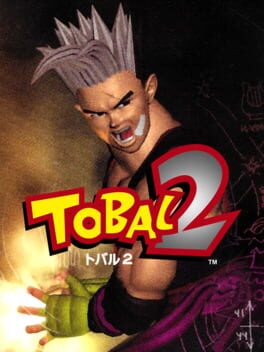
The fighting system in Tobal 2 is the same as in the previous game. The player can freely navigate 3D fighting arenas under the condition that he or she faces the opponent. High, medium, and low attacks can be executed using assigned buttons. As in Tobal No. 1, the grappling and blocking system offers the player a variety of offensive and defensive maneuvers. A new unblockable fireball attack has been added for each character. Tobal 2 was released on the same day as Sony's Dual Analog Controller in Japan, noted as the first game compatible with the peripheral. Graphically, the game features Gouraud shaded and higher-resolution character models compared to Tobal No. 1, but still runs at 60 frames per second.

Fighting / Arcade / Action / Fantasy
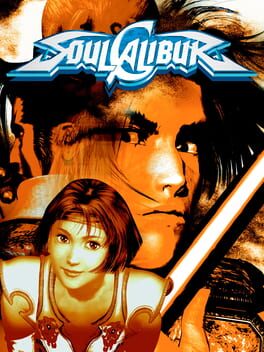
SoulCalibur is a weapon-based 3D fighting game developed by Project Soul and produced by Namco. It is the second game in the Soul series, preceded by Soul Edge (1996). Originally released in arcades in 1998, it ran on the Namco System 12 hardware. In 1999 it was ported to the Dreamcast with improved graphics and new features. The North American version was released in September 1999 as a launch title for the Dreamcast and was part of the successful launch of the new console. It became available as a downloadable title on Xbox 360's Xbox Live Marketplace in 2008. The title brought many innovations to the fighting game genre that include a heavy emphasis on weapons and a unique eight-way movement system. Soulcalibur is widely regarded as one of the best Dreamcast titles and is one of the most critically acclaimed fighting games of all time.

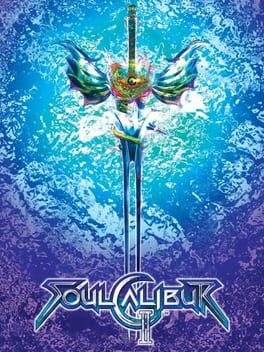
SoulCalibur II is the third installment in the Soul series and continues the tradition of his predecessors with improved graphics, new characters and new levels. A majority of the action takes place in Weapon Master mode where you have to choose a character and travel a set map to fight the many other warriors through different levels and challenges. Console ports were released, including guest characters from other franchises. The Arcade version has a unique mode called "Conquest Mode". This mode, which uses a name and password system to save data, allows the player to select one army among four. The player then fights against enemies in a series of eight 1-round battles, win or lose (the first seven are based on the player's rank, and the eighth is chosen by the player – this can only be interrupted by a Versus challenger.) After each round, the player earns EXP and can be promoted, and the game also rates the player in four categories: Soul, Power, Wisdom and Skill. The game also keeps track of which moves the player knows and uses most often. After the eight battles, territory control is updated and the player has the option to fight a bonus round against their character played by the AI.

Fighting / Hack and slash/Beat 'em up / Arcade / Action / Fantasy
The console version of Soul Edge adds more content to the original arcade game such as new characters and additional game modes. Added features - The inclusion (besides the standard "Arcade" mode) of "VS", "Survival", "Team Battle", "Time Attack" and "Training" modes. - A new RPG-styled mode called "Edge Master Mode". - Seven extra weapons per character, which have different designs and statistics. - The original ten selectable characters received a new PlayStation-exclusive costume.

Fighting / Arcade / Action / Fantasy
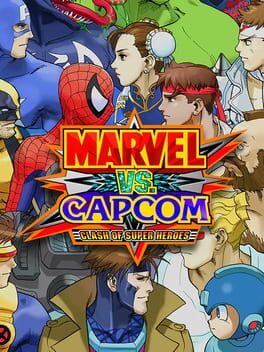
Marvel vs. Capcom: Clash of Super Heroes is the fifth Marvel Comics-licensed fighting game by Capcom and the third game in the Marvel vs. Capcom series. In contrast to X-Men vs. Street Fighter and Marvel Super Heroes vs. Street Fighter, the game features characters from numerous Capcom franchises such as Mega Man and Strider, rather than just Street Fighter characters. The game takes place within the Marvel comic continuity, as Professor Charles Xavier calls out for heroes to stop him before he merges with the consciousness of Magneto and becomes the being known as Onslaught, the final boss.

Fighting / Hack and slash/Beat 'em up / Arcade / Action / Fantasy
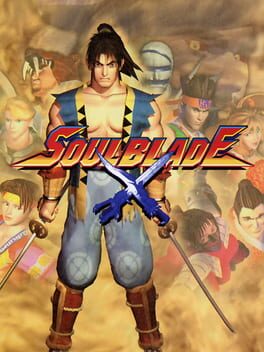
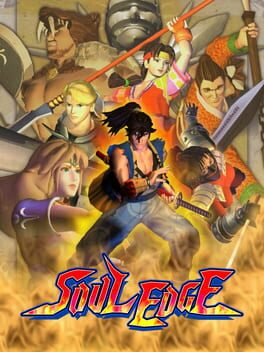
Soul Edge is a 3D arcade fighting game and the first in the Soul series, it is one of the first 3D fighting game in history that place a particular emphasis on the story of the fighters. Each character have their own weapon, allowing for a wide range of play styles. The slower, longer ranged characters try to deliver their heavy blows from a distance whereas the quicker, faster characters try to get in as close as possible and deliver quick-hitting attacks.