
Super Nintendo Entertainment System / Super Famicom / PlayStation 4
Developed by Riot for Telenet Japan.
Platform / Adventure / Arcade / Action / Science fiction
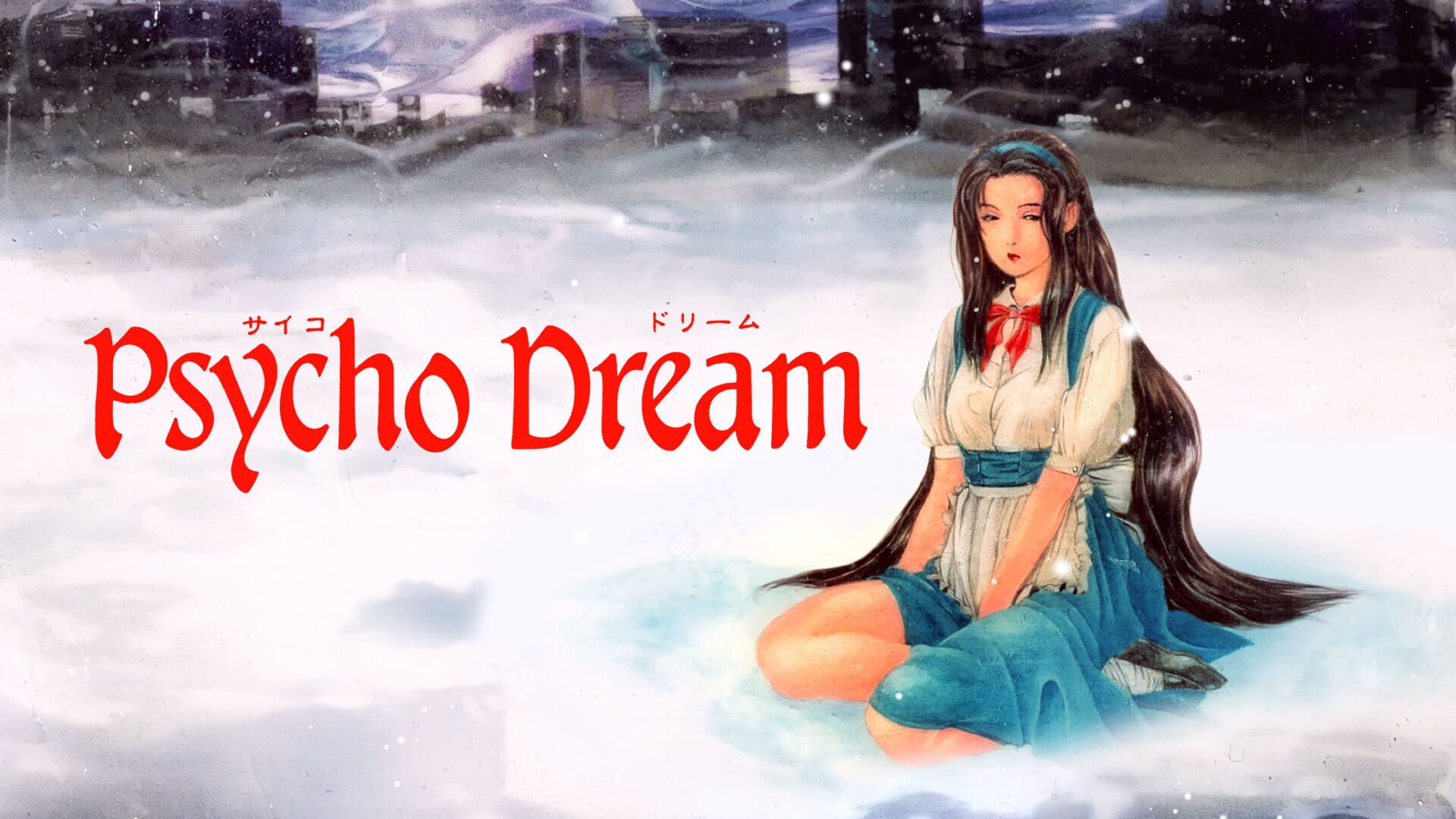
Psycho Dream is a side-scrolling action platform game developed by Riot, a division of Telenet Japan, for the Super Famicom. Set in a virtual-reality medium called D-Movie, the story follows two agents, Ryō Shijima and Maria Tobari, who enter a dream world to rescue a girl trapped there. Players can choose between Ryō, who fights with a sword, and Maria, who uses ranged and transformation-based attacks. The game is structured around short action stages with enemies, hazards, and boss encounters, combining science fiction and horror imagery. It was released in Japan in 1992, while a planned North American release under the title Dream Probe was not completed.
In the early 1980s, rumors begin to circulate about a new entertainment medium called “D Movie”, which allows people to immerse themselves in a world of virtual reality. As D Movies gain traction, a trend emerges of disaffected young people taking permanent refuge in the virtual world while abandoning their physical bodies to atrophy. To retrieve these so-called “Sinkers”, Japan's National Public Safety Commission establishes Public Security Division Four, nicknamed “Diamond Dog”, in 1984. The agents who enter the virtual world and perform these rescues are known as Debuggers. In 1992, a seventeen-year-old girl named Yūki Sayaka sinks into “Story of the Ruined Capital”, a D Movie directed by David Visconti. Three days pass before she is discovered, and combined with her weak constitution, she is expected to die within twenty-four hours. Two Debuggers, Shijima Ryō and Tobari Maria, are dispatched to rescue her before that happens.
Platform / Adventure / Arcade / Action / Science fiction
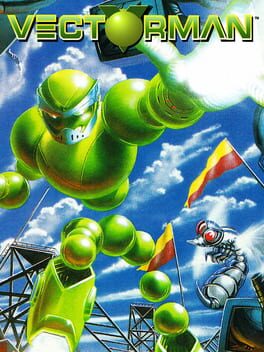
By the year 2049, Earth has been turned into a toxic waste dump. Humankind has fled into space leaving behind an army of mechanized “Orbots” to clean up the mess. But when the Orbot leader “WarHead” goes haywire and starts a global revolt against the humans, it falls on the shoulders of the last Orbot loyal to its human masters to save the planet.

Shooter / Platform / Adventure / Action / Science fiction
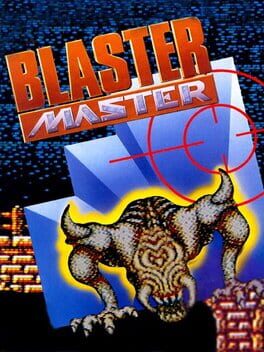
You've fallen down a hidden manhole into a world of creatures so terrifying they'd scare the rats away. You can panic and perish, or blast your way through an endless maze of tunnels, searching for the secret passages to your escape. And that's the easy part. Because the Masters of the Caverns lay waiting - prehistoric creatures so powerful, so gigantic, they literally fill your screen! So load your arsenal and get ready for Blaster Master.

Platform / Adventure / Arcade / Action / Science fiction
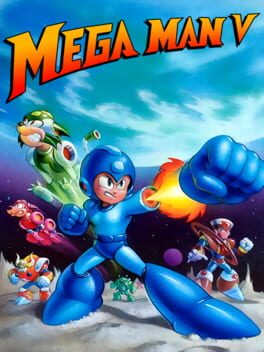
Mega Man V, known as Rockman World 5, is a video game developed and published by Capcom for the Game Boy handheld game console. It is the fifth and final game in the Game Boy version of the original Mega Man series. The game follows the adventures of the protagonist Mega Man as he must defend the Earth from a group of powerful robots from outer space called the "Stardroids". Mega Man V was also unique from the previous Game Boy Mega Man games as it features original and unique bosses rather than recycling those from the original Nintendo Entertainment System (NES) Mega Man games.

Platform / Hack and slash/Beat 'em up / Adventure / Action / Science fiction
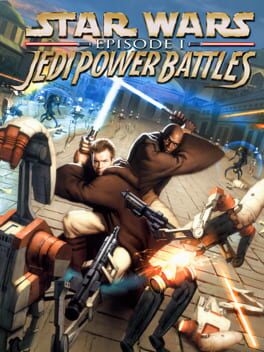
The game follows the plot of Star Wars Episode I: The Phantom Menace. Players can choose from one of five prequel-era Jedi and run, jump, slash, and use the Force through the game's ten levels, starting on the Trade Federation Battleship and ending with the battle against Darth Maul on Naboo. The player's primary weapon is a lightsaber used to fight through waves of enemies and deflect blaster shots. The lightsaber combat is rather simplified with a system that lets the player lock on to the nearest enemy using the R1 button. Items and the force can also be used for special attacks. On most levels jumping puzzles make up a large portion of the challenge. There are a few segments in which the player can pilot various craft. The single player campaign can also be played in cooperative mode with a second player.

Shooter / Platform / Adventure / Action / Science fiction
The player takes on the role of Golgo 13 (also known as Duke Togo), an assassin whose objective is to destroy the leader of the Drek group. On the way, Golgo 13 must pass through several areas, including East Berlin, Athens, and Alexander Island, which is located off the coast of Antarctica. It is necessary to navigate several mazes in order to win, but one maze is a fake base with no way out. The mazes account for a large amount of the frustration players encounter with this game. The instruction manual contains maps for the mazes.

Platform / Adventure / Arcade / Action / Science fiction
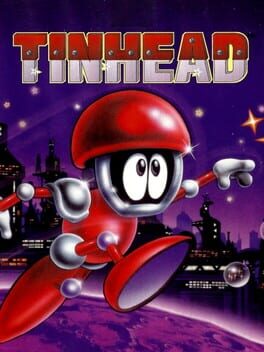
Once there was peace in the Galaxy. Then the evil Grim Squidge stole all the stars, threatening to hurl the Galaxy into a horrible Cosmic Void. Who will save the stars before it's too late? Tinhead, Defender of the Edge of the Galaxy of course! Lead, slide, hop, fly and shoot your way through the wacky worlds and super-tricky challenging levels as you guide Tinhead ti free the stars. Take on pesky spinning Krystals, relentless flying Saw-Sirs and hordes of mega-tough bosses. Grab radical power-ups and zany vehicles like Batteries, Hyper-Hoppers and Rocket Packs to help Tinhead through each weird, monster-jammed world. 4 tin-tillating worlds with 24 super challenging levels. Unique pause-and-scroll to see the action offscreen. 3-way shooting power to blast the baddies. Dozens of power-ups and hidden bonus areas.

Platform / Adventure / Arcade / Action / Science fiction
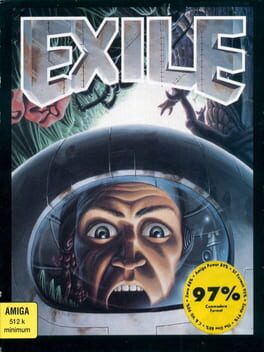
Exile is a single-player action-adventure video game originally published for the Acorn Electron and BBC Micro in 1988 by Superior Software and later ported to the Commodore 64, Amiga, CD32 and Atari ST, all published by Audiogenic. Exile's game physics engine qualifies it to be the first game to have a complete Newtonian motion model. At the time of its release it was considered to push the boundaries of what was possible on home computers, particularly on the 8-bit platforms. It remains probably the most complex game available for the BBC Micro. The game was designed and programmed by Peter Irvin (author of Starship Command, a space shoot-em-up with an innovative control system) and Jeremy Smith (author of Thrust, a game based on cave exploration with a simpler physics model).

Platform / Adventure / Arcade / Action / Science fiction
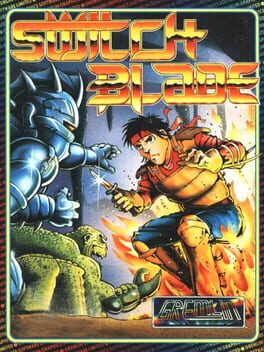
Switchblade is a computer platform game developed by Core Design and released by Gremlin Graphics in 1989. The player guides the protagonist, Hiro, through a flip-screen platform environment with a subterranean setting. Unexplored areas of the screen are obscured from view until the player character enters them. A sequel, Switchblade II was released in 1991.