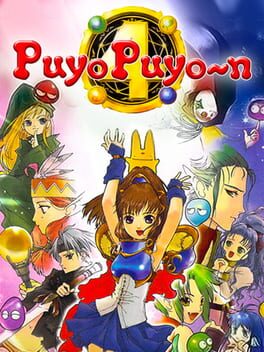

This game was released only in Japan. It is the fourth game in the Puyo Puyo series and the last set during the Madou-era in the main series. Continuing the trend of naming the games after puns, the name comes from a pun on "yon", the Japanese word for the number 4, but this time this is the only reference to the pun. The gameplay in is similar to that of Puyo Puyo 2, but adds super attacks. Clearing chains now builds up a "charge meter" which allows players to use them. The only other addition was a new game mode which could be played with a number of different field sizes, smaller or bigger than the standard 6x12, however, it removes several game modes that were present in Puyo Puyo Sun, i.e. the tournament, task and chain training modes. The art is also vastly different to the previous game in the series and, of course, the Fever series; this style was only otherwise used for Minna de Puyo Puyo.
With the advent of the Puyo Puyo Circus, Arle and Carbuncle have come to visit and take part in festivities. Arle makes her way to one of the tents to watch a show, led by Satan as the ringmaster. As part of one of the acts, Satan requests a volunteer to come down to the stage. With Carbuncle as said volunteer, he performed a disappearing act, making him vanish before the crowd. After Arle leaves the tent after the show has concluded, she realizes Carbuncle is nowhere to be found. Thus, Arle begins to explore the circus grounds in search of her friend. Puyo Puyo~n features a Beginner and Normal course. The Beginner course features the first three stages and does not play cutscenes. Arle cannot use her personal Super attack in story mode, but can call upon the powers of Draco Centauros, Serilly, Witch, and Chico as the player advances. Unlike previous Puyo Puyo story modes, the gameplay rules drastically change between stages. Due to the length of the Story Mode compared to other Puyo Puyo games, the game saves after every stage. This allows the player to quit and then start back on their current stage without losing progress.

Puzzle / Strategy / Card & Board Game / Comedy / Kids
"GORYUZIN ELECTRO" is a board game acknowledged for its quality by the Good Toy Committee in Japan in 1997. Based on the legend of the dragon, you have to compete connecting special frames and see to what extend can you proceed into your opponent's territory. No matter how many times you play, it is a fun game for everyone. The gameplay is difficult to explain, the goal of the game is to use all of the player pieces or use the ones that the player needs to reach to other part of the board, (for example the player starts in the bottom of the screen and have to reach the top) the harder part is to that before the opponent do it, both players compete to use their pieces to create obstacles that avoid the opponent to reach the other side, using the opening (that is too the closing piece) to close the line and get a point (or more depending of the pieces used). The game got a challenging gameplay but the difficulty level is really hard.

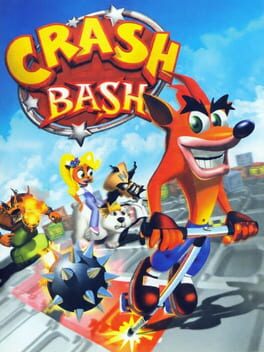
Crash Bash is a party game in which four people can play several mini-games as characters from the Crash Bandicoot series. The gameplay consists of 28 different mini-games and three distinct modes of play: Adventure, Battle, and Tournament. Crash Bash includes multiplayer compatibility for up to four human players with the use of the PlayStation Multitap. The games are organized from a central hub world from which spokes lead to different levels.

Platform / Puzzle / Adventure / Action / Comedy
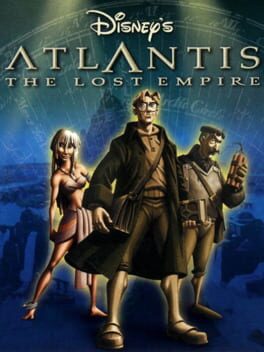
Disney's Atlantis: The Lost Empire is an action-adventure game based on the 2001 animated film. Players follow Milo Thatch and the expedition searching for the lost city of Atlantis, controlling several members of the crew across 12 levels. Gameplay combines platforming, combat, environmental puzzles, swimming, and vehicle sequences, with different characters providing abilities needed to overcome specific obstacles.

Puzzle / Strategy / Arcade / Fantasy / Kids
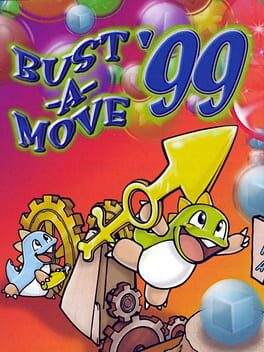
In the tradition of the Bust-A-Move series, Taito's Bust-A-Move '99 is a traditional puzzle game. The main objective is to destroy or get rid of (by dropping) all the bubbles located within the stage. Once you do this, you'll graduate to the next level. While the premise may sound simple, the logic and execution is not. Using a "bubble shooter", you must aim and shoot your bubbles to the top of the screen so that you can bring three bubbles of the same color together. When you do this, the bubbles will pop. One way to earn points is to have the popping bubbles as well as the bubble that was shot fall off the screen (in multi-player, it puts these bubbles on your opponent's side). This also gives you a lot less bubbles to take care of. Bubbles are constantly falling down. Popping them all in a short amount of time is necessary because the longer it takes you to pop them all, the faster they will drop. If you fail to clear out all the bubbles and they reach the bottom of the screen, the game is over. Bust-A-Move '99 contains some new options never seen in the Bust-A-Move series. There are now special bubbles (star, metal and rainbow to name a few), obstructive bubbles and blocks and new backgrounds. You are also given the opportunity to create your very own stages with the create-a-level editor.

Platform / Puzzle / Role-playing (RPG) / Action / Fantasy
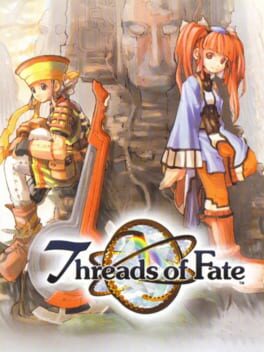
Threads of Fate is a 1999 action platform video game developed and published by Square for the PlayStation console. It revolves around two characters, Rue and Mint, and their quest for a mystical object known only as "the Relic" that has the power to profoundly alter their lives. Two amazing adventures! Rue is on a quest to revive a lost friend. Mint is seeking power and revenge. Both of them are looking for a powerful relic, but which will be brave and clever enough to reach their goal? Explore a beautifully rendered 3D world with challenging puzzles, unusual enemies, and unknown dangers. Play as both characters to encounter two entirely different storylines. Rue has the ability to shape-shift into the forms of defeated enemies. Mint can learn and use a wide variety of magic spells.


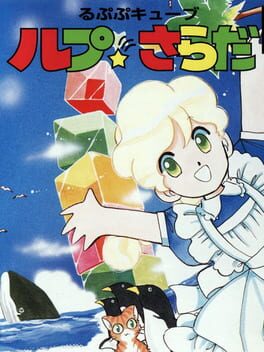
Rupupu Cube: Lup Salad is a block-pushing puzzle game developed by Fupac for the PlayStation in Japan only until it offered in the US through PSN Import Classic. It has been ported to both the DS and the PSP in Japan as well. The characters were designed by Izumi Takemoto.

Puzzle / Adventure / Fantasy / Drama
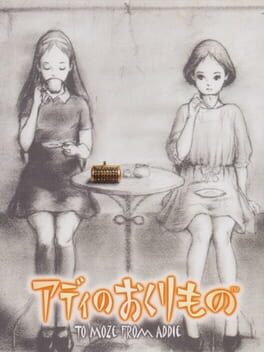
Addie No Okurimono: To Moze from Addie is an adventure puzzle game made by Sony in 2000, the game features a story mode in which the player controls a female character that have to solve different kind of puzzle to advance through the adventure. During the game she also will find different characters to interact in a world with an interesting & unique atmosphere.