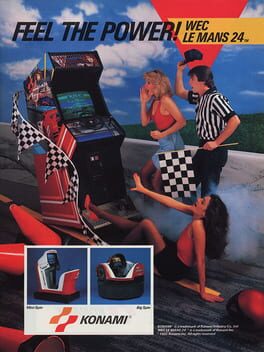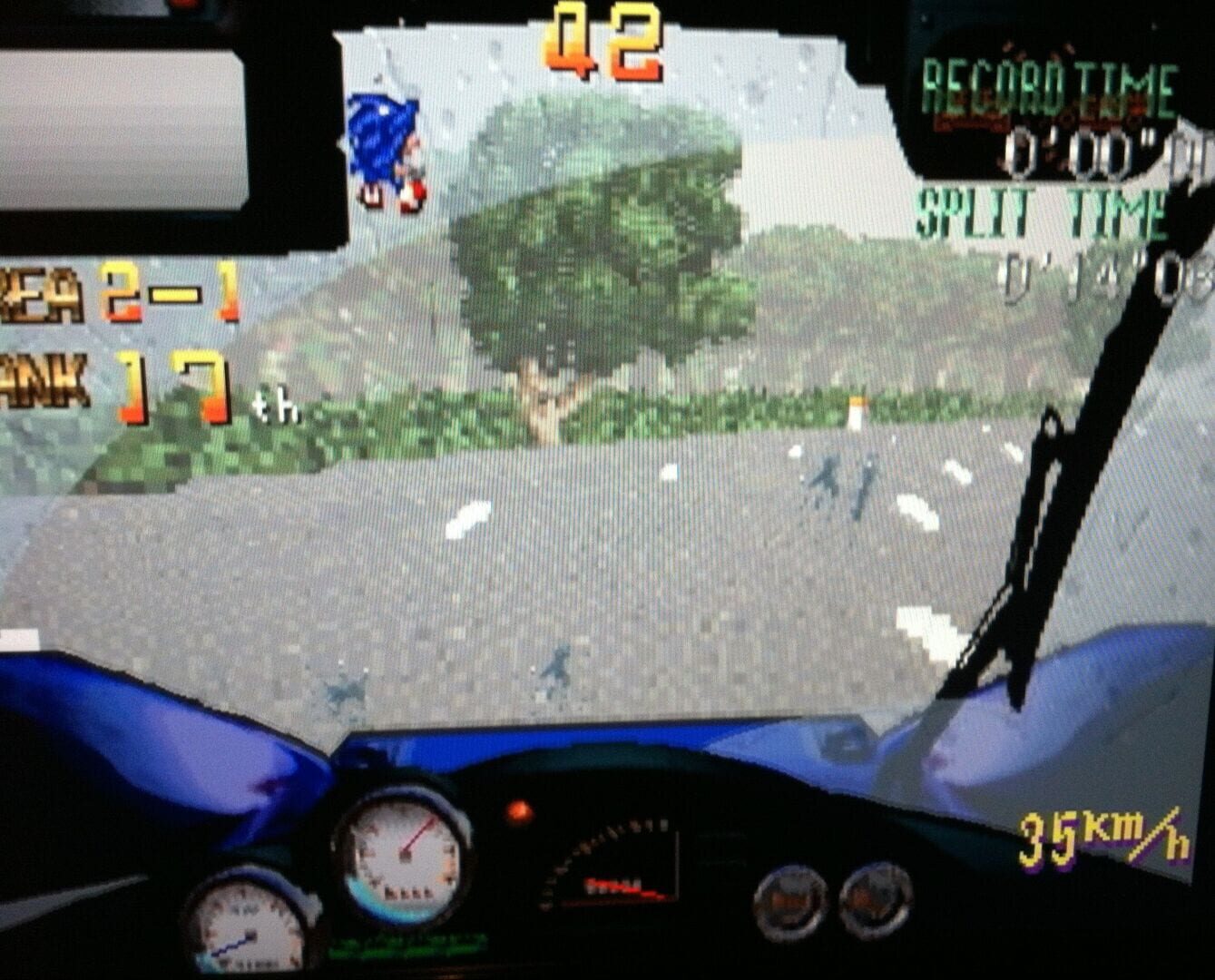
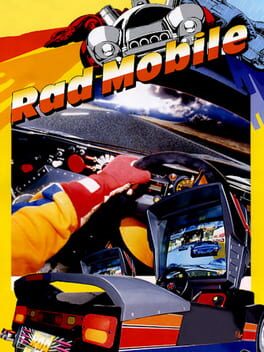

Rad Mobile is a first person perspective racer and had the player engage into a non-stop road race across the USA while avoiding traffic and police cars under the time limit. The only player controlled car is a Ferrari 330 P4 type prototype racing against computer controlled opponents driving generic cars. The player would race with fifteen other rivals across the track, all attempting to prevent the player from winning. During some of the courses the player would have the opportunity to activate different controls, which include headlights for night driving and windshield wipers during rainstorms. If the player does not activate these controls when prompted, effects such as a restricted view of the road or a wet windshield will occur.


Racing / Simulator / Arcade / Action / Non-fiction
After you choose a car, you have to drive as fast as possible without crash and without getting caught by the cops. You are equipped with the radar detector so you are informed about the approaching trouble.

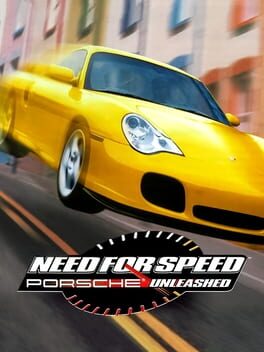
You've pushed yourself to the edge - now drive over it! Need for Speed Porsche 2000 lets you experience the adrenaline rush of high-speed driving with 74 different Porsche models dating from 1948 to 2000. Roar down the roadways in classic models such as the 1948 356 No.1, or push the state-of-the-art 2000 996 Porsche Turbo to its absolute limit. The choice is yours. Grid-based tracks feature 20 open road segments, and with the capacity for 4 people to play, this game lets you take part in a thrills 'n' spills journey through Porsche's fast-paced 50-year history. Fasten your seat belt!

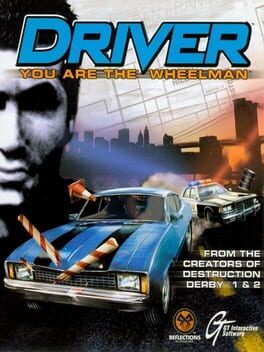
The player is John Tanner, an undercover cop who try to take advantage of his own excellent driving skill in order to infiltrate a criminal organization. In the storyline, the player has the chance to drive several cars in four american cities (Miami, San Francisco, Los Angeles, and New York), facing many different missions and tasks such as delivering a vehicle without damaging it, eliminating competitors or being the getaway driver in a bank robbery.

Racing / Arcade / Action / Non-fiction
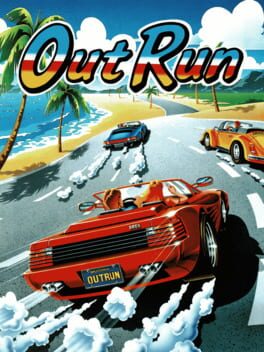
OutRun is a racing game originating in the arcades. The player can race across varied terrain in a readily available Ferrari, complete with a female passenger, over a series of short tracks. Gameplay is viewed form just above and behind the car. The roads are full of sharp bends and hazards, contact with which can cause the car to roll and lose the player's time. On each section of track there is a fork in the road, allowing the player to choose which direction he or she wishes to go in. The player has to to complete five track sections in total, out of the fifteen in the game.

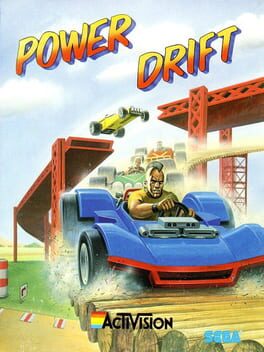
Power Drift is a kart racing game released in arcades by Sega in 1988. More technologically advanced than Sega's earlier 2.5D racing games, like Hang-On (1985) and Out Run (1986), in Power Drift the entire world and track consist of sprites. The upgraded hardware of the Sega Y Board allows individual sprites and the background to be rotated–even while being scaled–making the visuals more dynamic. Designed and directed by Yu Suzuki, the game was a critical and commercial success upon release in arcades. It was subsequently ported to various home computers in Europe by Activision in 1989, followed by a PC Engine port published in Japan by Asmik Ace in 1990. It was not released on Sega consoles until the Sega Ages release for the Sega Saturn in 1998.

Racing / Simulator / Arcade / Action
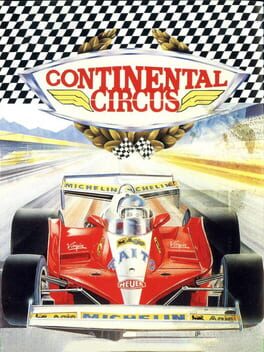
Continental Circus, released as Continental Circuit in North America, is a racing simulation arcade game, created and manufactured by Taito in 1987. It was later ported to various home computers in 1989, including the Amiga, Amstrad CPC, Atari ST, Commodore 64, MSX and ZX Spectrum. It was then released in 2005 for the PlayStation 2, Xbox and PC as part of Taito Legends. The arcade version of this game comes in both upright and sit-down models, both of which feature shutter-type 3D glasses hanging above the player's head. According to Computer and Video Games in 1988, it was "the world's first three dimensional racing simulation." The home conversions of Continental Circus lack the full-on 3D and special glasses of the arcade version, or the detailed graphics, but retain the essential gameplay structure.

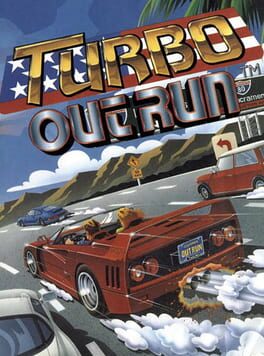
The sequel to OutRun features similar basic gameplay to the original, with the action viewed from behind the car, and the challenge being to complete each stage within the time limit. Contact can cause the car to spin, slow down or even flip; in each case you will lose time. There are 16 stages set across the US, gradually moving from east to west, all depicted differently visually. After every 4 levels, you go into a shop screen, with a choice of upgrades. As the title implies, you now have a turbo booster installed, which speeds up the car, although over-use can cause the engine to overheat, and it is not recharged until each shop section. You have 5 continues, and failure to complete the course within the time limit costs you one.