
Developed by GungHo Online Entertainment for XSEED Games.
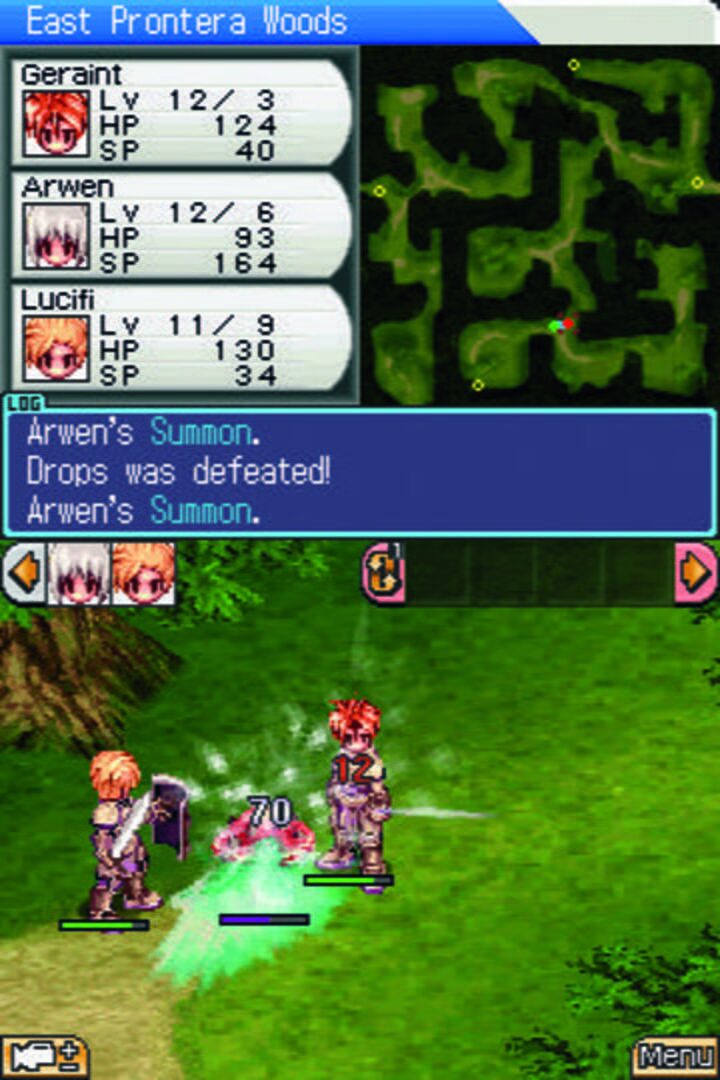
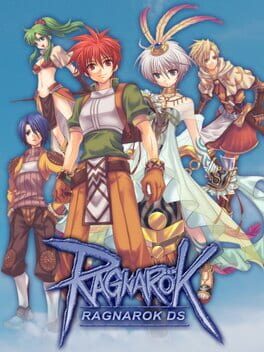
Ragnarok DS, known in Japan as Ragnarok Online DS, is a Nintendo DS video game based on the MMORPG Ragnarok Online and was released in Japan on December 18, 2008. It was announced that publisher Xseed Games had teamed up with developer GungHo Online Entertainment to bring the game to North America on February 16, 2010.
Throughout the world, the people of the major powers throughout the land live in peace and prosperity, unaware that a great evil lurks on the horizon. There is a clandestine group, under the guise of scholarly research, plotting to resurrect a goddess whose time has long since passed. To achieve this goal, they need two things; a vessel of flesh and blood to house the spirit of the goddess, and the lives of every living being offered up as a sacrifice. It is against the backdrop of this coming chaos that Ares, an orphan from a small, forgotten village, sets out to seek his fortune as an adventurer. At the start of his journey, he encounters a beautiful young girl with mysterious powers named Shiera, who has not only lost her memories about herself, but also of the world around her. Together, they embark on an adventure that will ultimately decide the fate of the entire world. Ragnarok Online, the international massively multiplayer online (MMO) phenomenon, now comes to the Nintendo DS. With over three million registered users in North America, Ragnarok DS brings the same addictive game play of exploration and customization to a handheld platform, giving the huge number of online PC players the next best thing when they are unable to log into their regular Ragnarok Online account from a computer.
Role-playing (RPG) / Turn-based strategy (TBS) / Adventure / Action / Fantasy
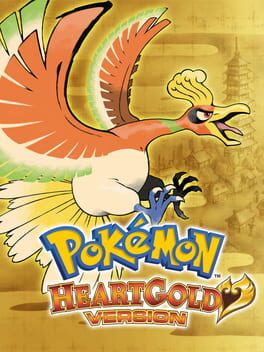
Pokémon HeartGold Version and Pokémon SoulSilver Version are paired Generation IV remakes of the Generation II games Pokémon Gold and Silver. Much like how Pokémon FireRed and LeafGreen revisited the Generation I story of Kanto, HeartGold and SoulSilver retell the story of Johto, with the player's starting town being New Bark Town. While the games feature several expansions in key areas, the overall plot follows the same direction as the original Gold and Silver. Some aspects exclusive to Crystal are also included. Like how FireRed and LeafGreen could link up with Ruby, Sapphire, and Emerald to complete the Pokédex by trading regionally exclusive Pokémon, HeartGold and SoulSilver can link up with Diamond, Pearl, and Platinum to obtain Pokémon unavailable in Johto and Kanto (such as the Sinnoh starters) and vice versa. Kris, despite being the female counterpart of Crystal's player character, is not included as the female player character, with a new character instead taking her place. Whether she is chosen to be the player character or not, this new character will still appear in the game. The unselected protagonist will take a pseudo-rival role similar to the unselected characters of Ruby, Sapphire, Emerald, Diamond, Pearl, and Platinum. The games were released on September 12, 2009 in Japan, February 4, 2010 in Korea, March 14, 2010 in North America, March 25, 2010 in Australia and March 26, 2010 in Europe (this excludes the Netherlands, Luxembourg and parts of Belgium due to an in-game save error, with the patched copies later released on April 2, 2010).

Role-playing (RPG) / Turn-based strategy (TBS) / Adventure / Action / Fantasy
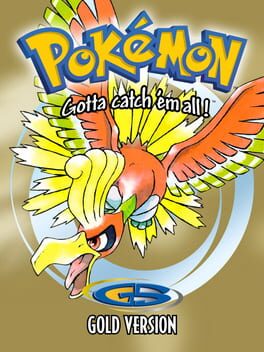
Pokémon Gold, along with Pokémon Silver, are the sequels to Pokémon Red and Blue. They offer 100 new Pokémon to capture and train, 8 more Gyms to take on and a new Pokémon League challenge. Featuring an expanded post-game, Pokémon Gold and Silver additionally offer extra content from the previous entries in the series.

Role-playing (RPG) / Adventure / Action / Fantasy
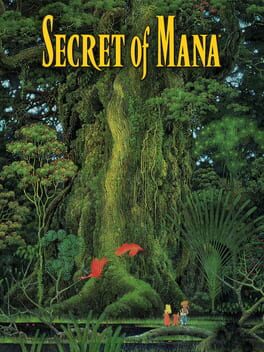
Initially released in Japan in 1993, Secret of Mana took the world by storm with its innovative real-time battle system and gorgeously rendered world. It continues to stand out among other action RPGs for its seamless gameplay that anyone from beginner to veteran can enjoy. One of the most memorable elements of the Mana series is the Ring Command menu system. With the single press of a button, a ring-shaped menu appears on the screen, where players can use items, change weapons, and do a variety of other actions without needing to switch screens. This Ring Command menu system for which the Mana series is so well known was first introduced in Secret of Mana and has since appeared in most games in the series. Play as Randi and his two companions, Primm and Popoi, as they adventure all around the world. At the center of our epic story is the mystical power of Mana. Battle the empire in its quest for control of Mana. Befriend the eight elementals who wield the forces of nature itself. Numerous encounters await at every turn.

Role-playing (RPG) / Adventure / Action / Fantasy
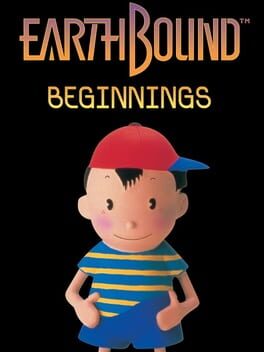
EarthBound Beginnings is the first installment in the EarthBound / Mother series. It was developed by Ape Inc., Nintendo Tokyo R&D Products, and Pax Softnica, and was published by Nintendo for the Famicom on July 27, 1989. Though officially translated into English under the name EarthBound in 1990 complete with a variety of updates and new content, the planned release of the North American localization was ultimately cancelled due to Nintendo of America ending support for the Nintendo Entertainment System. Despite this, the updates made to the game for the English localization was included in the Japanese Mother 1+2 rerelease for Game Boy Advance in 2003. The English version was finally released on the Wii U Virtual Console on June 14th, 2015, 25 years after its intended release date.

Role-playing (RPG) / Adventure / Action / Fantasy
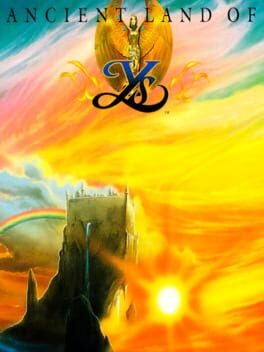
The hero of Ys is an adventurous young swordsman named Adol Christin. As the story begins, he has just arrived at the Town of Minea, in the land of Esteria. He is called upon by Sara, a fortuneteller, who tells him of a great evil that is sweeping the land. Adol is informed that he must seek out the six Books of Ys. These books contain the history of the ancient land of Ys, and will give him the knowledge he needs to defeat the evil forces. Sara gives Adol a crystal for identification and instructs him to find her aunt in Zepik Village, who holds the key to retrieving one of the Books. With that, his quest begins.

Platform / Puzzle / Role-playing (RPG) / Action / Fantasy
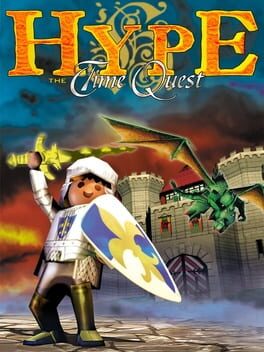
Hype: The Time Quest is an adventure video game developed by Ubi Soft Montreal and published by Ubi Soft Entertainment. The game, released in the year 1999 along with Alex Builds His Farm (1999), is based on the medieval castle toy series from Playmobil. The U.S. version of the Game Boy Color version was supposed to be released in June 2000, but was delayed for over a year for some reason. The game revolves around Hype, a 22-year-old knight in the service of King Taskan IV, following a quest through time to return to his own era in order to save the kingdom from the evil black knight Barnak. The game was directed by Alain Tascan and featured thirty-two different voice actors, as well as original music by Robbi Finkel.

Role-playing (RPG) / Adventure / Action / Fantasy
Ys II: Ancient Ys Vanished - The Final Chapter is a direct sequel to Ys I: Ancient Ys Vanished - Omen. The game continues to use the action role-playing combat style of the first installment, which requires the player to have the protagonist run into the enemy to deal damage, without needing to press an attack button. The player should carefully choose the angles and the degree of contact with the enemy; otherwise, the hero will be killed. The player character can (and should) level up, perform quests for village people, gather money, and upgrade weapons and inventory, like in most other RPGs. The sequel offers a longer quest than the first installment and adds a magic arsenal to Adol's abilities. Among the magic spells are a fire attack, a time-stopping spell, and a transformation ability that allows Adol to pass for a monster and converse with enemies. Magic spells deplete Adol's magic points bar.

Role-playing (RPG) / Adventure / Action / Fantasy
Final Fantasy III is a remake and a complete overhaul of the 1990 version with the same title. This allowed western players to finally experience the classic Final Fantasy game localized for the very first time. The graphics are rendered in full 3D and various changes have been implemented.