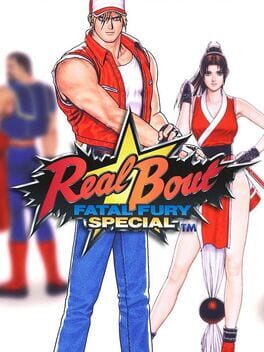

The supreme trial of strength awaits! 19 of Fatal Fury's hottest heroes collide! One year since the fearsome conclusion to "Real Bout", the hungry wolves ready themselves for a new battle, "Real Bout Special" - the paramount pugilistic proving ground! The game retains the cast of the original Real Bout, with the addition of Tung Fu Rue, Cheng Sinzan, Laurence Blood and Wolfgang Krauser from Fatal Fury Special, with Krauser serving as the new final boss. Geese Howard, who was killed off in the end of the original Real Bout, appears in this game as a hidden final boss in a special "Nightmare Match" and as an unlockable playable character in the home versions. The game also features hidden "extra" versions of Tung Fu Rue, Billy Kane, Blue Mary, and Andy Bogard, for a total of 23 (24 if counting Geese) characters.
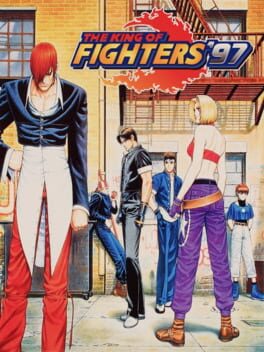
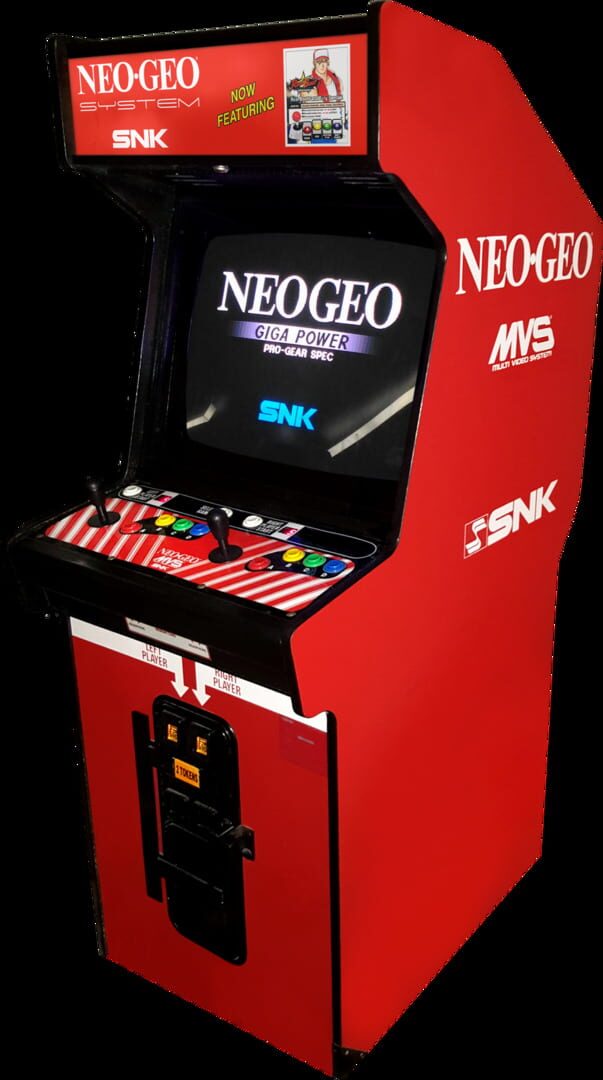
The King of Fighters '97 is a 1997 fighting game produced by SNK for the Neo Geo arcade and home console. It is the fourth game in The King of Fighters series. It was ported to the Neo-Geo CD, as well as the PlayStation and the Sega Saturn in Japan only.

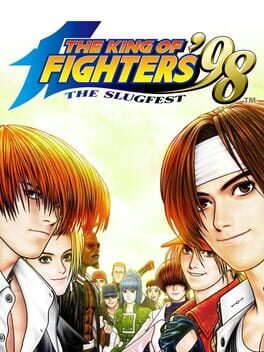
The All-Star dream battle is here at last: It's King of Fighters '98! Here come 38 of your favorite characters from the King of Fighters series. Your favorite characters and teams are back! Filled with new surprises like the Roulette Team Edit and Advantage System, King '98 will pop your cork with unrelenting excitement! The King of Fighters '98 is the fifth game in The King of Fighters series by SNK.

Fighting / Arcade / Action / Historical
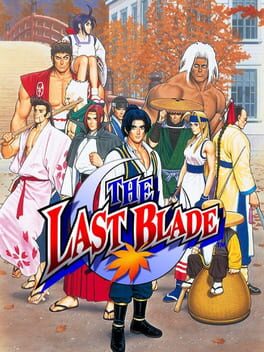
The Last Blade is a fighting game developed and published by SNK and released in arcades in 1997. It is set in a fictional version of late 19th-century Japan and features a roster of sword-wielding characters. The game uses a weapon-based combat system with selectable fighting styles that emphasize speed or power. Its presentation draws heavily on historical themes and traditional Japanese aesthetics.

Fighting / Arcade / Action / Historical
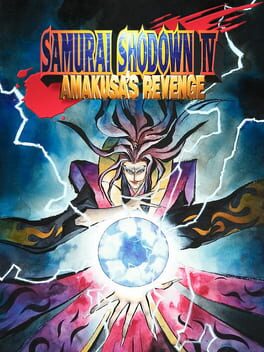
Samurai Shodown IV: Amakusa's Revenge, also known as Samurai Spirits: Amakusa's Descent in Japan, is the fourth in SNK's flagship Samurai Shodown series of fighting games. Chronologically, it is the second and final chapter of a story between Samurai Shodown and Samurai Shodown II, with Samurai Shodown III being the first chapter.

Fighting / Sport / Hack and slash/Beat 'em up / Action / Science fiction
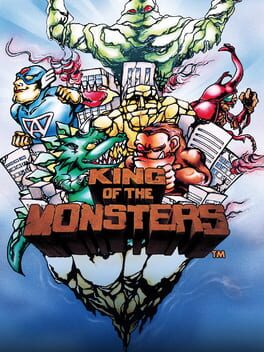
Players get to choose any one of six monsters (four in the 16-bit ports) for battle, and two players can join forces to fight the monsters together. Battles end when one of the monsters is pinned for a three count or if time expires (in which case the player loses). The game consists of 12 total levels: the player first must defeat all six monsters, with the last monster being oneself, but in a different palette. Then the player must defeat the six monsters again, in the same order, but this time in different cities

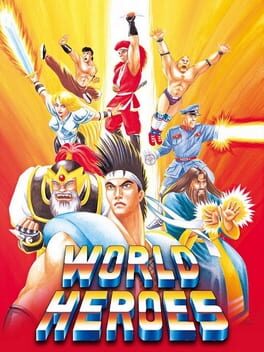
Are you ready for a fierce battle in an ultra-deathmatch!? Who is the greatest hero in the world? You will find out today! A scientist has created a time machine that eight heroes will travel through time with to prove who is the greatest fighter of all time!

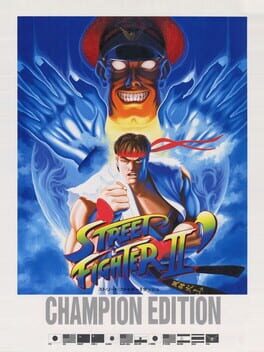
Street Fighter II: Champion Edition is a competitive fighting game released for the arcades by Capcom in 1992. It was the first of several updates to the original Street Fighter II: The World Warrior. The main changes consisted of adding the Grand Masters (the final four computer-controlled opponents in single-player mode) as playable characters and mirror matches (same character vs same character). The fighting techniques of the eight main characters from the original game were also further refined to allow for more balanced competitive play. The Champion Edition was followed by Street Fighter II' Turbo: Hyper Fighting, released several months later.

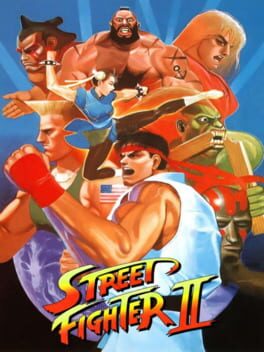
Street Fighter II for the Super Nintendo Entertainment System is a home console port of Capcom’s arcade fighting game. It retains the one-on-one fighting structure, eight playable World Warriors, four boss opponents, and special-move system from the arcade version. The port adapts the arcade game for the SNES/Super Famicom hardware, with reduced animation, altered audio, and some presentation changes. Unlike most earlier home computer conversions, it is a relatively close version of the arcade game, using the console’s six-button controller layout to reproduce the original punch and kick controls more directly.