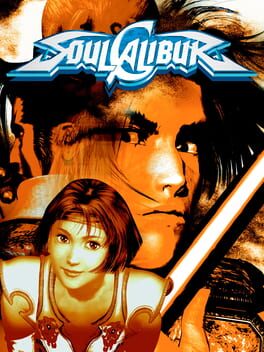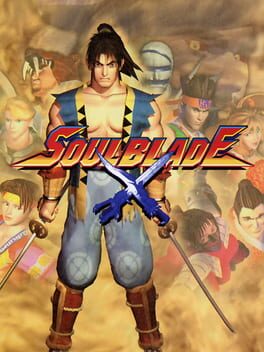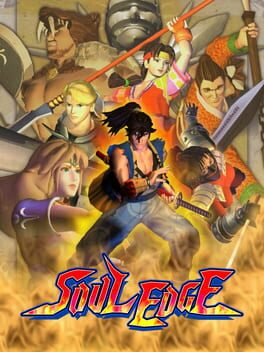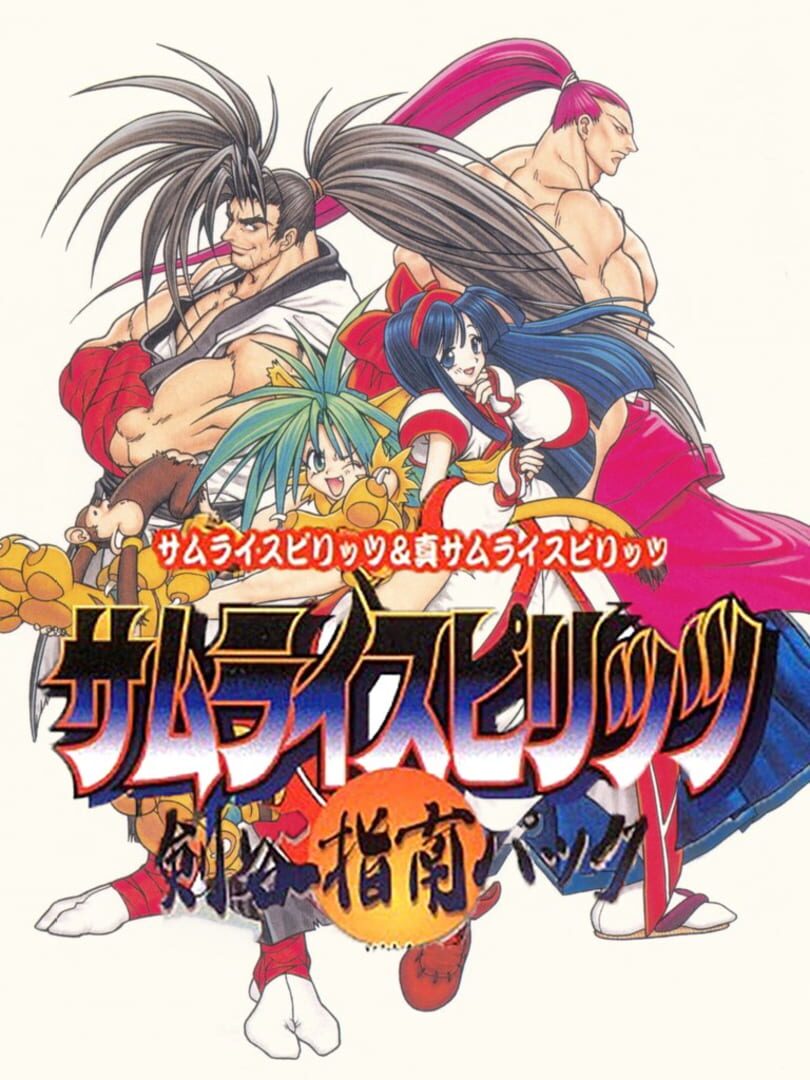
Samurai Shodown (Samurai Spirits in Japan) is the name of a fighting game series by SNK. The stories in the series take place in 18th-century Japan, during the Sakoku or seclusion period of Japan, (the first four games run across 1788 and 1789) with great artistic license so that foreign-born characters (including some from places that didn’t exist as such in 1788) and fictional monsters can also be part of the story. The plot of each game is quite different, but they circle a central group of characters and a region in Japan. Samurai Spirits - Kenkaku Shinan Pack is a compilation only released in Japan that includes the first two Samurai Spirits games. SAMURAI SPIRITS: Samurai Shodown, known as Samurai Spirits in Japan, is a 1993 competitive fighting game produced by SNK for their Neo Geo arcade and home platform. In contrast to other fighting games at the time which were set in modern times and focused primarily on hand-to-hand combat, Samurai Shodown is set in feudal-era Japan (similar to Kaneko's Shogun Warriors) and was one of the first fighting games to focus primarily on weapon-based combat after the success of Capcom's Street Fighter II. When SNK released the game for the home console version of the Neo Geo system, the AES, the fans bought it up in droves, and it still stands as the most successful run of home Neo cartridges ever produced. The game was ported to multiple other platforms, including the Super Nintendo Entertainment System, Nintendo Game Boy, Sega Mega Drive, Sega Game Gear, Sega CD, Sega Saturn, 3DO, FM Towns, PlayStation, PlayStation 2, and Xbox. STORY: In early Japan, a man named Shiro Tokisada Amakusa preaches a heretic religion. Little does anyone know that Amakusa is really a servant of the evil Ambrosia, who took over Amakusa's body. Ambrosia wishes to shroud the world in darkness. Now, choose between 12 warriors (and 3 bonus characters) to fight for the honor of destroying Amakusa, and fulfilling a mission. CHARACTERS: Playable characters include: - Haohmaru - the main hero; a ronin who travels to sharpen his swordsmanship and his sense of bushido. - Nakoruru - an Ainu miko who fights to protect Mother Nature. - Ukyo Tachibana - an ailing narcisist swordsman who searches for the perfect flower for his loved one, Kei. - Wan-fu - a power general from the Qing dynasty seeking to recruit powerful warriors for the unification of China. - Tam Tam - renowned Maya hero from Mexico (referred to as "Green Hell" in the game); he fights to retrieve the sacred artifact, the Palenke Stone. - Charlotte Christine Colde - a noblewoman fencer from Versailles who fights to save her country from Amakusa. - Galford D. Weller - American sailor turned ninja who fights in the name of justice. - Kyoshiro Senryo - famed kabuki performer who wishes to strengthen his dances through swordplay. - Earthquake - American ninja and Flunky-turned bandit, he wants to steal all the world's treasure. - Hanzo Hattori - ninja serving Ieyasu Tokugawa. In this fictional account, he fights to save his son, Shinzo. - Jubei Yagyu - similar to other fictional accounts, he is a ronin hired by the Shogunate to execute a demon. - Genan Shiranui - an eccentric member of the Shiranui clan, he strives to make himself more evil. - Shiro Tokisada Amakusa - last boss and villain of the game; in this fictional account, he is resurrected years after his death by the demon, Ambrosia. Due to a pact made with the demon, he wants to revive Ambrosia thus destroying the world. - Kuroko - exclusive playable character in the Game Boy port. He is the background referee who acknowledges the winner of the match, in the GB game he wields two flag blades as his weapon. He did not get a console debut until Samurai Shodown II, in which he imitates moves of several fighters of other SNK games (like Ryo Sakazaki's Haoshokoken). The Game Boy port is the only game where he had his own original moves and weapons unlike his console counterpart. - Hikyaku - exclusive playable character in the Game Boy port. He is the delivery man running in the background of stages who is forced to disrupt fights by Amakusa. SAMURAI SPIRITS II: Samurai Shodown II is the second game in SNK's popular Samurai Shodown series of versus fighting games. This game has been released on the Wii's Virtual Console in Europe on August 8, 2008 and in North America on August 25, 2008 at a cost of 900 Wii Points.[It also been released on Xbox 360 for Xbox Live Arcade on September 10, 2008. STORY: One of SNK's legendary fighting game series has made a return! In Samurai Shodown II, you can take on one of the roles of 15 warriors as you fight your way through the land to defeat the evil Mizuki! Slash, kick, and slice your opponents in half...do whatever it takes...live by the sword, and die by its blade. NEW CHARACTERS: The cast of characters was expanded to include the following new additions: - Genjuro Kibagami, who was to become Haohmaru's greatest rival. - Cham Cham, a young, catlike girl who was the younger sister of Tam Tam (who was excluded from the game). - Neinhalt Sieger, a knight from Prussia, who fights with a giant, gun-containing gauntlet. - Nicotine Caffeine, an old, diminutive monk, and master of Haohmaru and Genjuro. - Kuroko, the hidden boss of the game, is playable for the first time. Kuroko's movelist is interesting as he uses moves that are used by some of the characters in the game as well as characters from other SNK fighters such as Ryo Sakazaki. His super move in the game is a comical version of Ryo's Ryuko Ranbu. - Rashojin Mizuki, the first female final boss in the series and the only boss to have assistance from an animal. Manufacturer's description: Hit a record unique in the sense of playing a dynamic action fighting sword play, "Samurai"and "supremacy true Samurai, " the coupling of the two titles. The sequel's popular series of popular origin and the fans still, I can still feel the excitement of the day. Features: Third person perspective. 2D graphics Cartoon graphics Medieval Japan & Fighting themes.