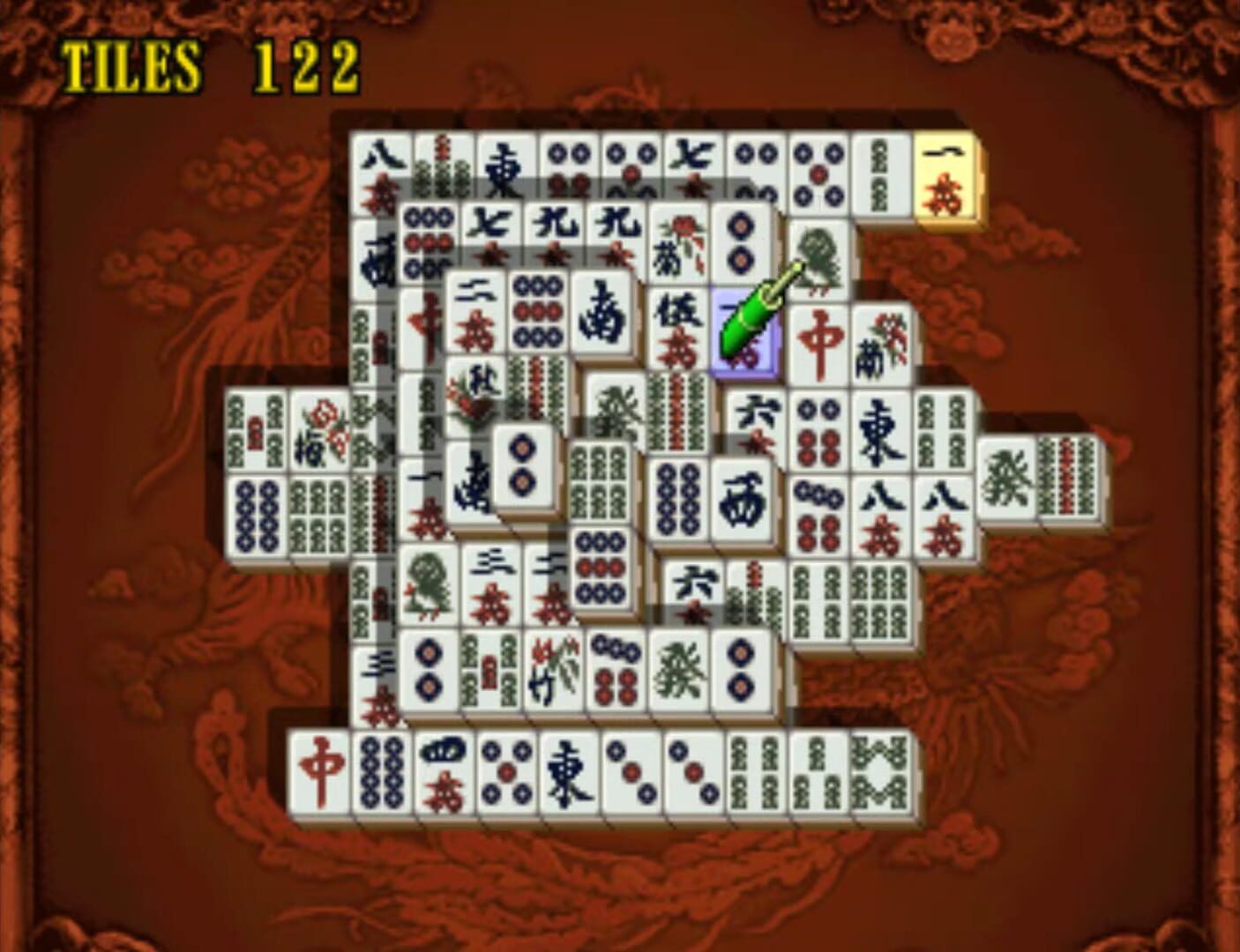
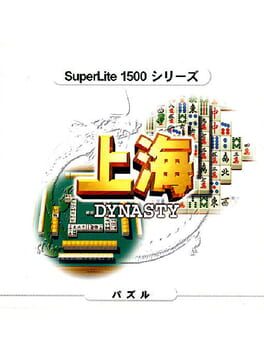
PSX Port of "Shanghai: Dynasty". Released as part of the SuperLite 1500 series. Introducing Shanghai: Dynasty, with four royally addictive tile-matching games to render you powerless - including revolutionary multiplayer variations of the long-standing ruler of puzzle games. And for the first time in history, Shanghai represents the centuries-old tradition of Mah-Jongg. Shanghai: Destiny has come to power fall under its domination.

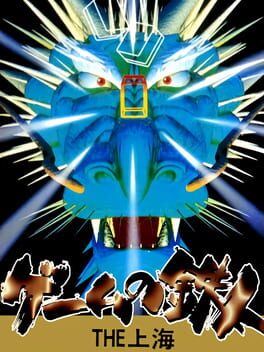
Game no Tetsujin: The Shanghai is a Puzzle game, published by SunSoft, which was released in Japan in 1995.

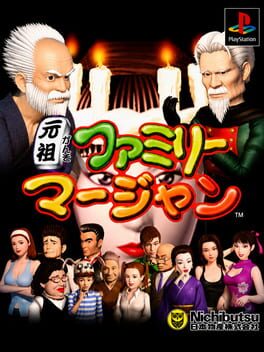
Ganso Family Mahjong is a mahjong game is which the player is a gambler (male or female one, since the game allows the player to choose a name, genre, blood type, etc) that in the new story mode he goes through some kind of board in which he advance playing mahjong matches againts computer opponents. The game also features a tournament mode, a free game mode and also a complete tutorial.

Card & Board Game / Non-fiction
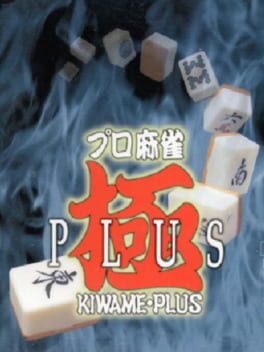
Pro Mahjong Kiwame Plus is a mahjong game, and is the first game in the series released for the Sony PlayStation console. The game features 16 different real mahjong players as opponents and the game mode is a 4 player vs mahjong. The game features 3 game modes: Professional, Gamble & Training.

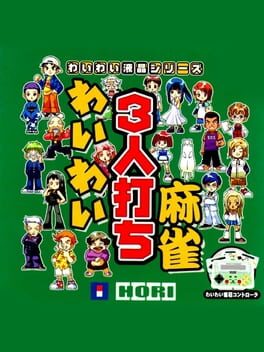
Wai Wai 3-nin Uchi Mahjong (also known as Wai Wai Sanninuchi Mahjong) is a 3-Player mahjong game that allows up to 3 human players to play at the same time using the multi-tap function. The game features 9 different characters to choose and different game modes. Mahjong is a game for four players that originated in China. Mahjong involves skill, strategy, and calculation, as well as a certain degree of chance. Depending on the variation which is played, luck can be anything from a minor to a dominant factor in success. In Asia, mahjong is also popularly played as a gambling game. In the game, each player is dealt either thirteen or sixteen tiles in a hand (depending on the variation being played). On their turn, players draw a tile and discard one, with the goal of making four or five melds (also depending on the variation) and one pair, or "head". Winning comes "on the draw", by drawing a new or discarded tile that completes the hand. Thus a winning hand actually contains fourteen (or seventeen) tiles. 3-Player (or 3-ka) Mahjong is a simplified 3-person Mahjong which involves hands of 13 tiles, and total tiles of 84 on the table and uses Joker tiles as well. It only includes the tong zhi tiles or circular shapes of patterns on the tiles for which is different from the conventional Chinese mahjong which has bamboo patterns, 10-thousand and the tong zhi tiles. It has jackpot or Royal Flush rules of winning, in which whoever accumulates a point of 10 is considered to hit the jackpot, with that some would double the winning stake. There are advantages of playing this version of game because you need fewer people to start a game and the turnaround time of a game is short, hence it is considered a speedfast game.
Quiz/Trivia / Card & Board Game / Non-fiction
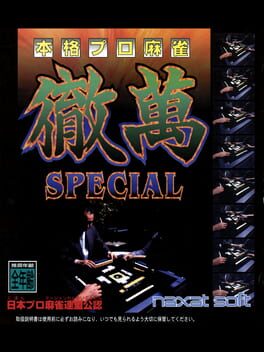
Tetsuman Special is a 4-way riichi mahjong game featuring the endorsement of the Japan Professional Mahjong League and the likenesses of 14 professional mahjong players (15 in the Saturn version). It is the third title in Naxat Soft's Tetsuman mahjong game series. There are two main play modes: Title Conquest mode tasks the player with winning against the pros to increase their rank and earn a total of 48 different professional titles; Free Game lets the player set up a more relaxed exhibition game against any set of opponents. The game also keeps detailed records on the player's performance which can be reviewed at any time.

Card & Board Game / Non-fiction
Simple 1500 Series vol. 39: The Mahjong 2 is a four players mahjong game in which the player can compete against three computer opponents to see if he can win the matchs. The game features also a quiz mode and a tutorial.

Pro Mahjong Kiwame is a four player Riichi mahjong game, unlike most one-on-one Mahjong games released at the time and the modern casual games. Players take and discard tiles until they've completed hands by forming groups and pairs.

A direct sequel to 1999's mahjong game for kids 0 Kara no Mahjong: Mahjong Youchien - Tamago Gumi.