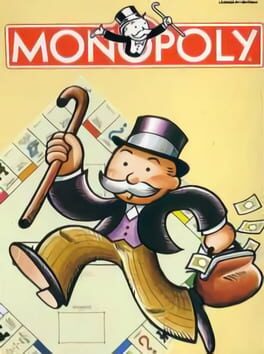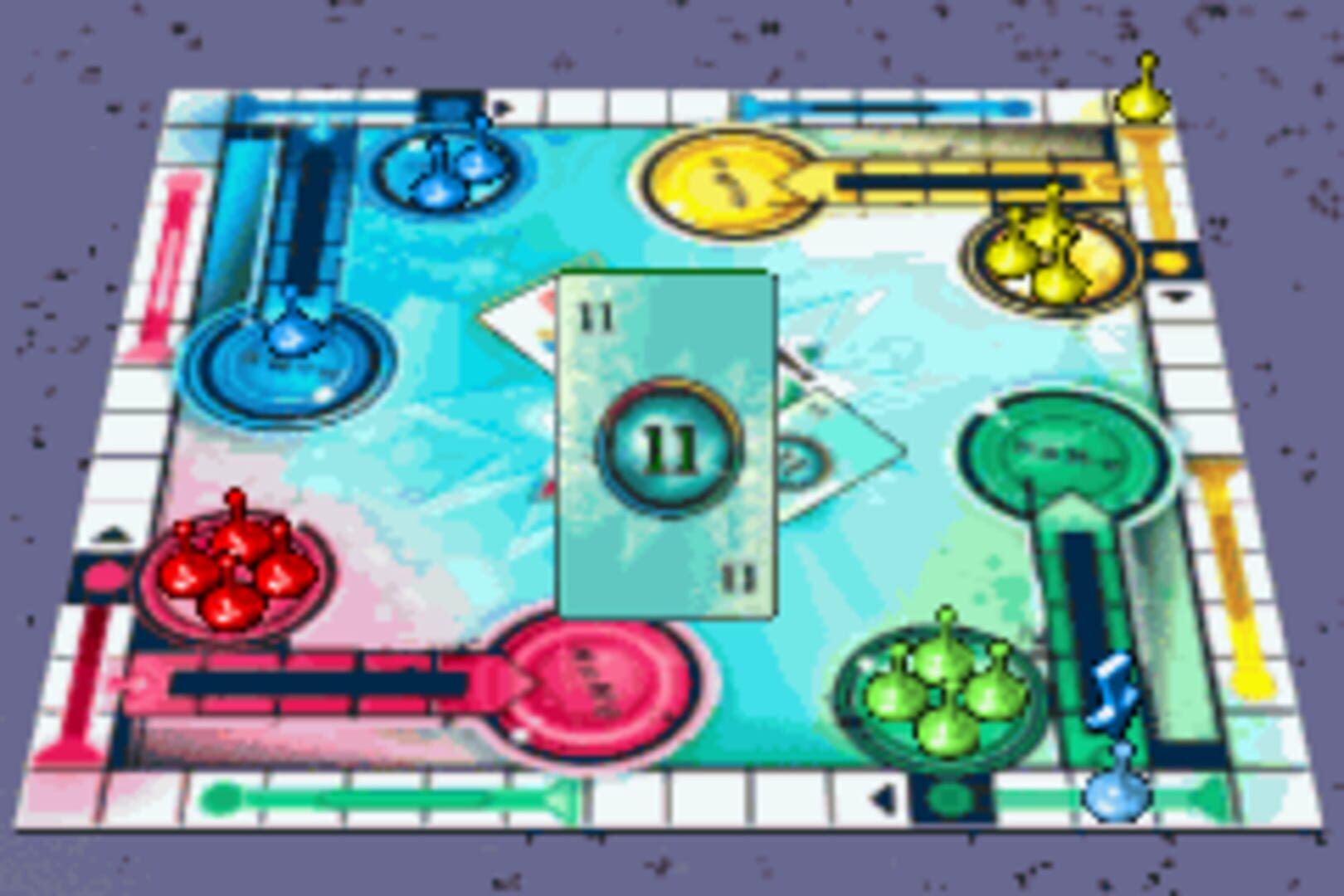
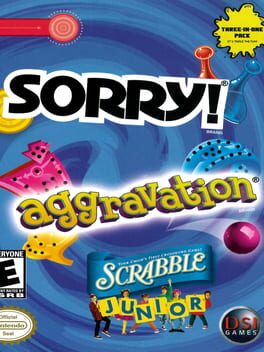
A Game Boy Advance cartridge which houses digital adaptations of three classic board games.
Screenshots
Featured in
A Game Boy Advance cartridge which houses digital adaptations of three classic board games.
Quiz/Trivia / Card & Board Game / Kids / Party
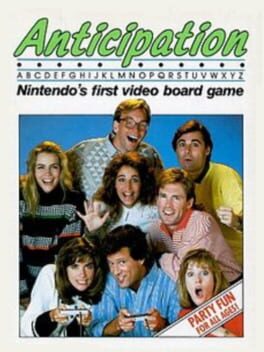
Anticipation was marketed as Nintendo's "first video board game", and was developed by Rare for the Nintendo Entertainment System in 1988. It allowed for single player against computer-controlled opponents, as well as multiplayer with support for up to four players.

M&M's Blast! for Game Boy Advance reunites players with those lovable candy-coated M&M characters--Red, Blue, Green, and Yellow--in a brand-new adventure. Players complete a number of game challenges within a variety of board-game-style levels.
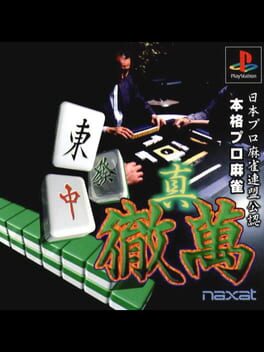
Nippon Pro Mahjong Renmei Kounin: Shin Tetsuman is a Mahjong board game, developed by Chat Noir and published by Naxat Soft, which was released in Japan in 1998.
Strategy / Card & Board Game / Action / Party
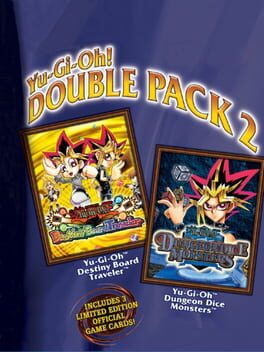
A second two-game cartridge for the Game Boy Advance Yu-Gi-Oh! games, this time focusing on Destiny Board Traveler, and Dungeon Dice Monsters, spinoff games that are not related to the popular "Duel Monsters" card game from the manga.
Platform / Strategy / Card & Board Game / Comedy / Party
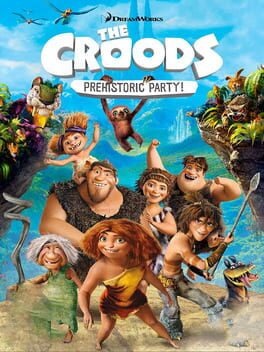
The Croods: Prehistoric Party! features the lovable Croods family: Grug, Ugga, Eep, Thunk, Sandy, Gran and Guy, on a hilarious adventure through 30 unique and addictive party-style mini-games. Explore spectacular landscapes in an incredible new world filled with never-before-seen creatures as you battle your friends and family in this awesome adventure with up to four friends in multiplayer gameplay.
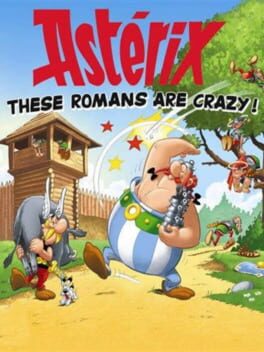
Astérix: These Romans are Crazy! is a board game that can be played against CPU or a live player, taking turns on the same device. The game is played using only a stylus. The first player to cross the finish line wins.
Quiz/Trivia / Card & Board Game / Action / Party
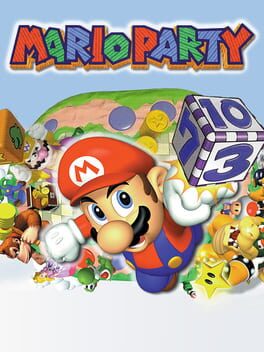
Every game in the main series has a standard Party Mode in which up to four players play through a board, trying to collect as many stars as possible. In every turn, each player rolls a die and progresses on the board, which usually has branching paths. Coins are primarily earned by performing well in a minigame played at the end of each turn. On most boards, players earn stars by reaching a star space and purchasing a star for a certain amount of coins. The star space appears randomly on one of several pre-determined locations and moves every time a star is purchased, usually occupying a blue space. Every Mario Party contains at least 50 to almost 110 minigames with a few different types. Four-player games are a free-for-all in which players compete individually. In 2-on-2 and 1-on-3 minigames, players compete as two groups, cooperating to win, even though they are still competing individually in the main game. Some minigames in Mario Party are 4-player co-op, even though it doesn't say it. In most situations, winners earn ten coins each.