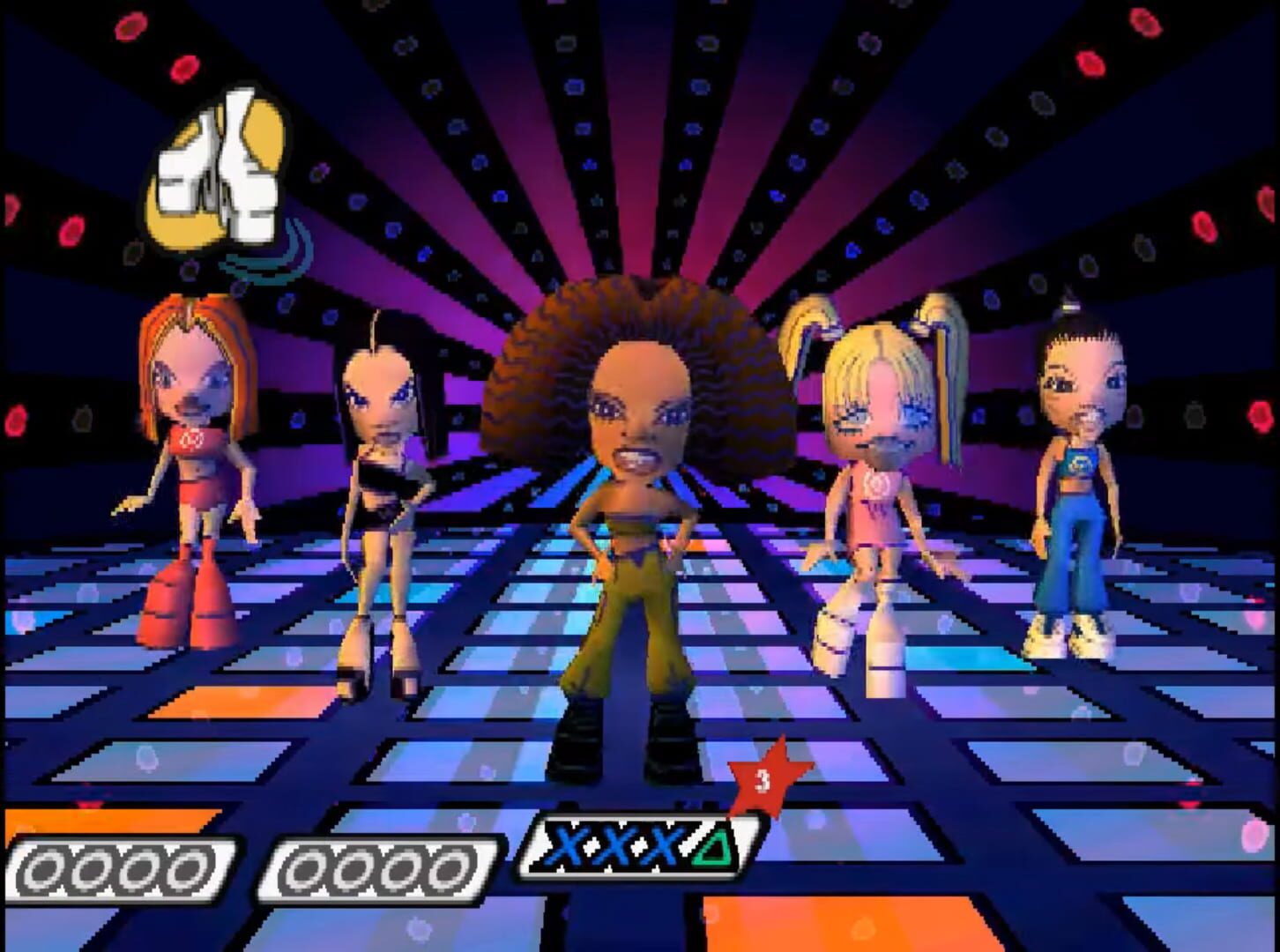
Join the Spice Girls as they enter their own interactive dimension. Interactive magazine with exclusive interviews and behind-the-scenes footage. Create your own remixes of five of your favorite Spice Girls songs. Become your favorite Spice Girl and practice individual dance routines. Choreograph all the Spice Girls for their special live shows - on your TV!

Music / Simulator / Comedy / Kids
The only Dance Dance Revolution release for the N64, DDR: DDM is intended for children to play. As always, your goal is to jump to the right arrows at the right time. When you are dancing, familiar Disney characters dance along in the background. Some of the songs are Disney-related, others are Japanese as this was a Japan-only release. The game requires the dance pad to play.

Dance Dance Revolution (ダンスダンスレボリューション Dansu Dansu Reboryūshon?), abbreviated DDR and also known as Dancing Stage in earlier games in Europe and Australasia, and some other games in Japan, is a music video game series produced by Konami. Introduced in Japan in 1998 as part of the Bemani series, and released in North America and Europe in 1999, Dance Dance Revolution is the pioneering series of the rhythm and dance genre in video games. Players stand on a "dance platform" or stage and hit colored arrows laid out in a cross with their feet to musical and visual cues. Players are judged by how well they time their dance to the patterns presented to them and are allowed to choose more music to play to if they receive a passing score. Dance Dance Revolution has been given much critical acclaim for its originality and stamina in the video game market. There have been dozens of arcade-based releases across several countries and hundreds of home video game console releases, promoting a music library of original songs produced by Konami's in-house artists and an eclectic set of licensed music from many different genres. The DDR series has inspired similar games such as Pump It Up by Andamiro and In the Groove by Roxor

Music / Puzzle / Simulator / Educational / Kids
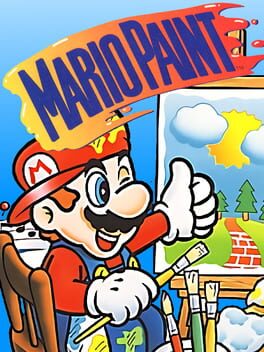
Mario Paint is an educational game that allows anyone to create simple pictures, paint over black and white pictures, or free draw their own using the specially developed SNES Mouse. The player can also create their own piece of music using a selection of notes and themes, create greeting cards and animations, or play a game of "Gnat Attack", where they use the mouse to control a swatter to swat flies.

Music / Simulator / Arcade / Party
The dance floor kicks into overdrive with DDRMAX2 Dance Dance Revolution. It is the latest installment of the highly anticipated DDR series and takes the revolution to the masses! Players can customize their own dance steps and workout in an innovative Exercise Mode. DDR is packed with a smash-hit lineup of all-new exclusive songs, licensed music and dance hits. There are cool contemporary game modes and brand new graphical interfaces featuring music videos that will keep everybody movin' and groovin' to the pulsating beats. DDR Max 2 also includes links to previous games for special features.

Music / Puzzle / Simulator / Action / Party
Dance Dance Revolution 5thMIX, or DDR 5th Mix, is the 5th game in the Dance Dance Revolution series of music video games. It was released to the arcades by Konami on March 27, 2001. Although only officially released in Japan, units exist worldwide. DDR 5th Mix contains a total of 122 songs, nine of which are hidden and unlockable. Of those songs, 40 of them (including all nine unlockable songs) are brand new to Dance Dance Revolution.

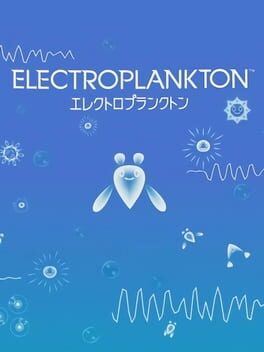
Electroplankton is an interactive music video game for the Nintendo DS handheld video game console. It allows the player to interact with animated plankton and create music through one of ten different plankton themed interfaces. The first-run edition of Electroplankton in Japan came bundled with a set of blue colored ear bud headphones. The game offers two game modes: Performance and Audience. The Performance mode allows the user to interact with the plankton through use of the stylus, touchscreen, and microphone. Audience mode simply allows the user to put down the system and enjoy a continuous musical show put on by all of the plankton, although the user can interact with the plankton just like in Performance mode. Audience mode is like a demo mode in some other games.

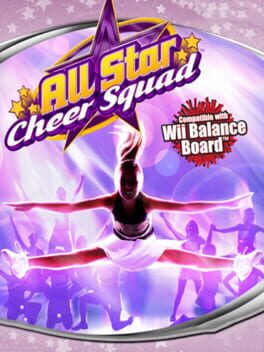
The game follows a year in the life of a cheerleader as they learn new cheers, participate in practices and create their own routines to make the squad and eventually become captain. On the Wii, the Wii Remote and Nunchuk, along with the Balance Board can be used to perform cheer and dance moves. Cheerleading choreographer Tony G of Bring It On fame acted as chief consultant to the game.[

Music / Puzzle / Simulator / Party
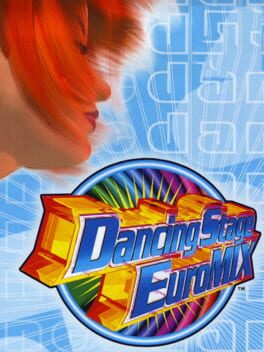
Dancing Stage EuroMix is the 2nd release of the Dancing Stage series, the European version of Dance Dance Revolution series of music video games by Konami. The arcade version was released in 1999, followed by the Sony PlayStation version in 2001. An updated "Internet Ranking" version of the arcade machine was released later on, containing 6 new tracks (as advertised by a sticker on the game's name banner). To date, Dancing Stage EuroMIX is one of only two European home versions of the Dancing Stage franchise to coincide with an arcade game, the 2nd one being Dancing Stage Supernova. The game is based on the same interface and engine as the Japanese game Dance Dance Revolution 3rdMix, except with a songlist that is a cut-down hybrid of Dance Dance Revolution 2ndMix and Dance Dance Revolution 3rdMix's songlists, with the addition of 8 European-exclusive songs (28 tracks and can be expanded to a total of 34 tracks with Internet Ranking enabled). Unlike Dance Dance Revolution 3rdMix, the home version of Dancing Stage EuroMIX does not feature "Edit Mode" and does not use a PC Card., a feature in which the player can create their own custom routines to songs featured in the game. This also means that the arcade version does not feature PlayStation-compatible memory card slots. The game's console port was released for PlayStation on June 1, 2001 and contains 24 songs. It removes the Dancemania licenses and all but one song added in the Internet Ranking version, but adds five Konami Original songs.