Developed by Sega AM11 for Sega.
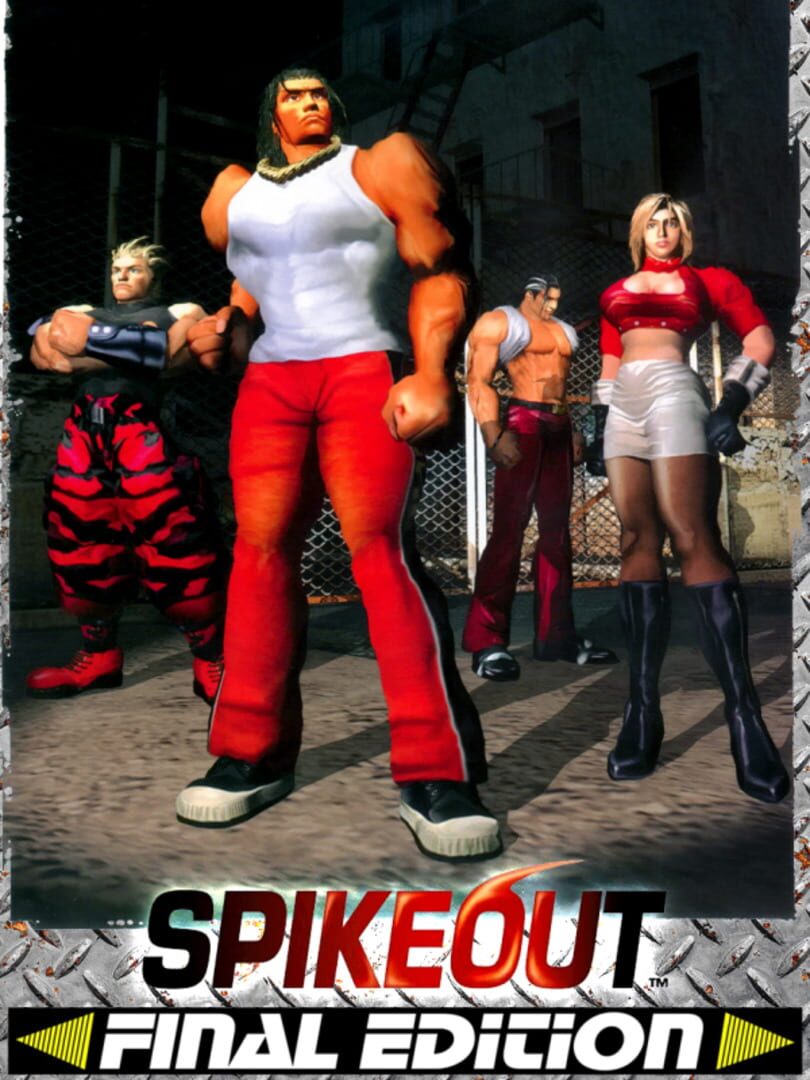
Spikeout: Final Edition is the 1999 update for Spikeout: Digital Battle Online, and the second in the Spikeout series of arcade games. It replaces the game's attract sequence, balances out the characters, adds 2 new stages and bonus stages, and adds a cutscene explaining the backstory of the game's villain Mikhael.

Fighting / Hack and slash/Beat 'em up / Adventure / Action
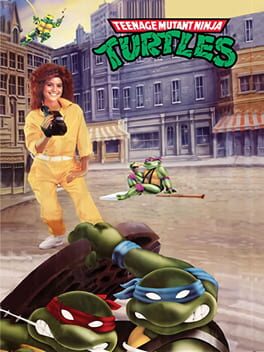
NOTE: This is the original 4-Player Arcade release, not the NES Title. The player chooses from one of the four Ninja Turtles: Leonardo, Michelangelo, Donatello, and Raphael. After Shredder kidnaps the Turtles' friend April O'Neil and their mentor Splinter, they must give chase, save their comrades, and defeat the evil Shredder. The player chooses from one of the four Ninja Turtles: Leonardo, Michelangelo, Donatello, and Raphael. Depending on the version of the game, the characters are either, chosen at the start of the game or assigned by control panel. After Shredder kidnaps the Turtles' friend April O'Neil and their mentor Splinter, they must give chase, save their comrades, and defeat the evil Shredder. Up to four players (two in some versions) can take control of any of the Turtles. Donatello has slower attacks but a longer range, Michelangelo and Raphael have faster attacks but a shorter range, and Leonardo is a well-rounded Turtle with average range and speed. The eight-way joystick controls the movements of the Turtle, the jump button makes them jump and the attack button makes them hit in front of them using their weapon. In addition to this, some combinations are possible. The Turtles can throw Foot soldiers overhead, and by pressing the jump and attack buttons, a special attack is performed. Raphael rolls along the ground and finishes with a kick, while the other Turtles do a sweeping jump attack with their weapons. Turtles can also spring off the wall in certain areas. Enemies can be defeated more quickly by slamming them into walls or solid objects. Many objects such as traffic cones, parking meters, fire hydrants and exploding oil drums can be hit or damaged with attacks in order to help defeat nearby enemies. In the attract mode, the game showed the first part of the cartoon opening, along with a portion of the Teenage Mutant Ninja Turtles theme song. Most of the enemies the Turtles face are the Foot Soldiers, all color-coded to indicate their attack patterns and weapon of choices. Some enemies, such as the standard purple-clad Foot Soldiers and Roadkill Rodney robots, have the ability to restrain the Turtles' mobility and drain their health, leaving the player open to attack for other enemies. The bosses in the game include Rocksteady and Bebop (individually at first in that order, and later the two of them together), Baxter Stockman, Granitor, General Traag, Krang, and Shredder himself.
Fighting / Hack and slash/Beat 'em up / Adventure / Action
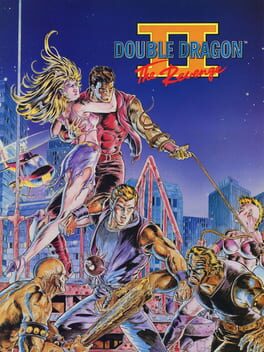
The original arcade version of "Double Dragon II" is essentially an improved version of the first game. The biggest change in the game's controls are in the replacement of the original's punch and kick buttons with two directional-based attack buttons (Left Attack and Right Attack) similar to Renegade. Pressing the attack button of the player's current direction will do a standard series of punches, while pressing the opposite attack button will perform a back kick. A few new moves are added as well, including a Hurricane Kick. Like in the original game, the arcade version of Double Dragon II is divided into four missions: a heliport, a lumber storehouse, a wheat field, and the new hideout of the boss. Each stage has its own boss character with his own theme. After defeating Willy (the final boss from the original game) in the fourth stage, the player will confront a double of their own character for the game's final battle. If two players reach the end together, then both will each to have to face their own clone for the final battle.

Fighting / Hack and slash/Beat 'em up / Adventure / Action
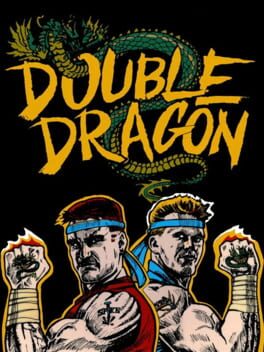
Double Dragon is a 1987 beat 'em up video game developed by Technōs Japan and distributed by Taito for arcades across Asia, North America and Europe. It is the first title in the Double Dragon franchise. The player character has a repertoire of martial arts techniques which they can perform using the joystick and three action buttons (kick, jump, and punch) individually or in combination. Techniques range from basic punches and kicks to more elaborate manoeuvres like hair-grabbing moves and elbow strikes. When playing with another player, one can assist the other by grabbing their partner's opponent from behind. Caution should be taken, though, as some enemies can do the same thing to the players. The player begins the game with a certain number of extra lives and a life gauge which depletes as the player takes hits. If the life gauge runs out or the time limit reaches zero, the player will lose a life. There is a small variety of enemy characters that the player will face through the course of the game. Certain enemies carry melee weapons, which can be knocked out of their hands and picked up to use against them. Available weapons include baseball bats, whips, throwing knives, and dynamite; in addition, rocks, oil drums, and boxes can be found in certain places. The game is divided into four stages or "missions," consisting of a city slum, a factory, the woods, and the gang's hideout. The game normally ends if a single player defeats the final boss alone. However, if two players complete the game together, they are forced to fight each other to determine who will win Marian's affections.

Fighting / Hack and slash/Beat 'em up / Indie / Action / Science fiction
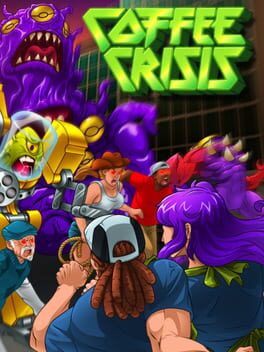
Coffee Crisis is an arcade-style beat 'em up full of caffeinated carnage! This is a full scale release for the Sega Genesis/Mega Drive, packed with classic gameplay and an extra espresso shot of action!

Fighting / Hack and slash/Beat 'em up / Arcade / Action
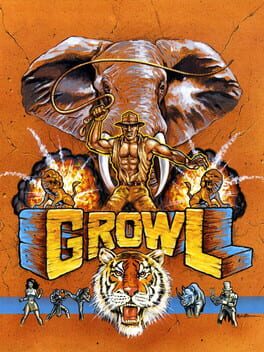
The player begins the game by choosing from one of four different forest rangers, each with a different amount of health, attack strength, and jumping height. The game's controls consists of an eight-way joystick for moving the character and two action buttons (attack and jump). The player can perform a variety of different attacks (punches, kicks, and finishing blows) depending on the position of an enemy. By pressing both buttons while surrounded by enemies, the player can perform a special attack that strikes every enemy around him. By pressing both buttons while holding the joystick upwards, the player will perform a longer jump. The player can procure weapons by destroying barrels and wooden crates or disarming certain enemies. There are a total of eight weapons which can be obtained: three melee weapons (a pipe, a sword and a whip), two throwing weapons (knives and hand grenades), and three firearms (a pistol, a machine gun, and a rocket launcher). The barrels and crates can also be picked up and thrown at enemies as well. When the machine gun or rocket launcher runs out of ammunition, these are still wielded by the player as melee weapons. The pistol, on the other hand, is thrown by the player after all of its bullets are used. The player can drop his current weapon by pressing down and attack while wielding it. If a weapon lies on the ground after a certain period, it will vanish completely. There are seven regular stages (called rounds) and a bonus game, for a total of eight stages. The locations include a city, a moving train, a boat, a jungle, a cavern, and the hideout of the poachers. There are six types of enemy characters throughout the game, excluding the final boss (who has two forms). There are also animal helpers that will help out the player after they're rescued from a poacher, such as an eagle, a herd of deer, and an elephant.

Fighting / Sport / Hack and slash/Beat 'em up / Action / Science fiction
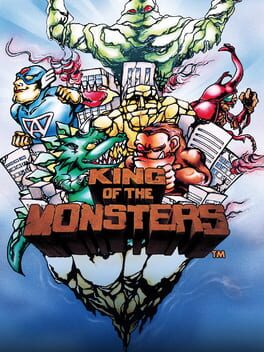
Players get to choose any one of six monsters (four in the 16-bit ports) for battle, and two players can join forces to fight the monsters together. Battles end when one of the monsters is pinned for a three count or if time expires (in which case the player loses). The game consists of 12 total levels: the player first must defeat all six monsters, with the last monster being oneself, but in a different palette. Then the player must defeat the six monsters again, in the same order, but this time in different cities

Fighting / Hack and slash/Beat 'em up / Arcade / Action / Survival
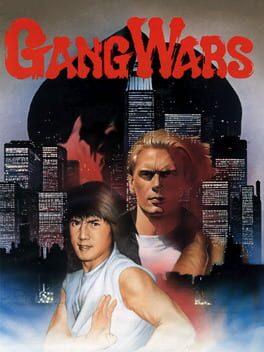
In Gang Wars, up to two players can control two different characters with different fighting styles. Gang Wars has a control configuration that is composed of two attack buttons (punch and kick), as well a jump button to fight against enemies or overcome obstacles. Players have access to a repertoire of techniques by pushing these buttons individually or in combination. Unlike Double Dragon, Gang Wars has fire arms (much like SNK's P.O.W.: Prisoners of War, except Gang Wars has both an assault rifle and a flamethrower), has a small amount of blood, has cut scenes, has two completely different playable characters and has a feature for customizing three fighting statistics (Power, Speed and Guard) for both players. Players will earn a certain number of points for increasing their fighting statistics.

Fighting / Hack and slash/Beat 'em up / Arcade / Action
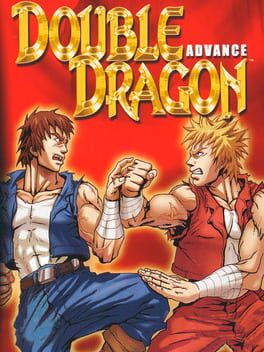
Double Dragon Advance is a side-scrolling beat 'em up game developed by Million and published by Atlus for the Game Boy Advance. Released in 2003, it serves as an enhanced remake of the original Double Dragon arcade game, incorporating elements from the entire Double Dragon series. The game follows brothers Billy and Jimmy Lee as they battle through various stages to rescue Marian from a dangerous gang. It features new levels, enemies, and moves not found in the original version, along with improved graphics and expanded combat mechanics.