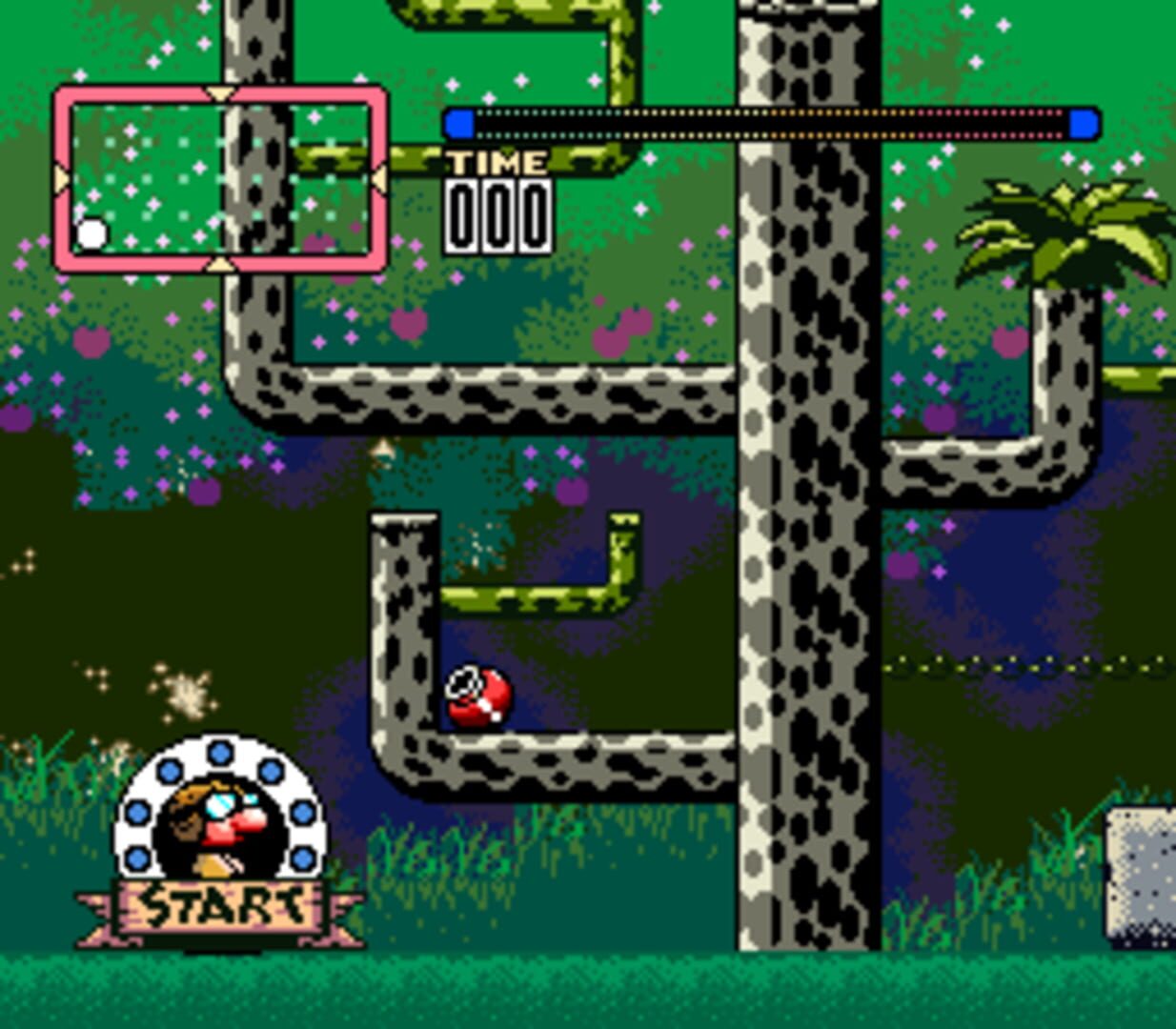

Super Donkey is an unreleased platformer starring an unnamed proto-Rayman-like aviator/explorer who resembles the main character of Nintendo's earlier game Sky Skipper. Two builds were found, though neither one has any sound or music and the onscreen timer is non-functional in both. Judging by the name and some unused sprites, this might have been a Donkey Kong-related project. Various elements of Super Donkey would eventually be used in Super Mario World 2: Yoshi's Island.

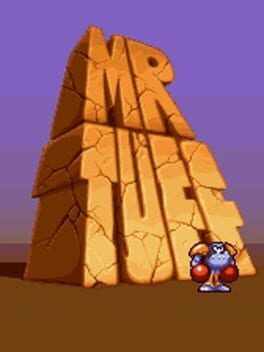
Mr. Tuff is a 2D platform game in development by Sales Curve Interactive (SCI) and presumably set to be published by Ocean in 1994-1995. The game was done by the same people as Super SWIV, and as such, the graphics are incredibly polished. The game was apparently too ambitious, and was never fully complete (although the game engine and graphics certainly indicate that it is close). The game follows a demolition robot known as Mr. Tuff. After the entire population of earth escapes to the planet Utopia, the army robots take over the world. It is up to Mr. Tuff to save the world for the peaceful domestic robots. The levels involve standard platform action, though there are a few shooter-esce hoverboard levels. Each world is set up into standard levels and a boss level.

Shooter / Platform / Action / Fantasy
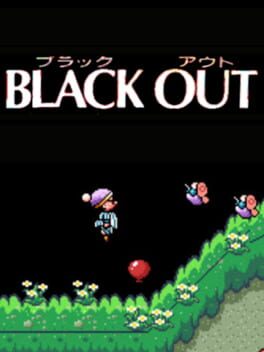
Black Out was a cancelled game which would be played using the SNES Mouse. A leaflet about it was included with the Japanese version of Mario Paint. A prototype (known as Sleep) was found in the Nintendo Gigaleak of 2020. It is a game where you help a sleepwalker traversing obstacles and shooting at projectiles. The game was made to be played using the Super Scope or the SNES Mouse. It has no sound and uses assets similar to those of Super Donkey (another prototype found in the Gigaleak, possibly related to the original Donkey Kong series) and Yoshi's Island. As a game under the name of Sleep was never announced nor rumored, even though the game was never shown before and having a different name in the dataleak, Black Out and Sleep they are likely to be the same game given the time frame and the use of the SNES Mouse. Both games are also related to Super Scope 15 (a Super Scope compatible cancelled game) in the dataleak.

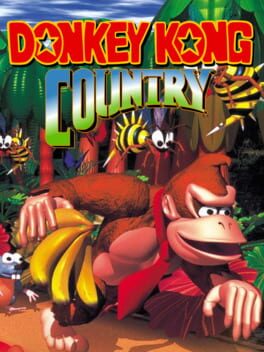
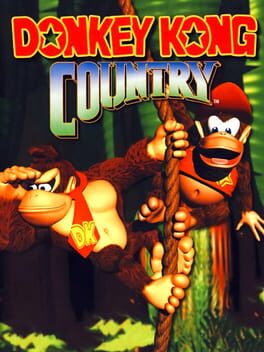
Donkey Kong Country is a side scrolling platformer by British developers Rare in 1994. It featured revolutionary pre-rendered 3D graphics that give the game a very unique look compared to most other games on consoles at the time. The two playable characters featured in the game are the titular character, Donkey Kong and his nephew, Diddy Kong. Together the two swing, climb, jump, swim, cartwheel, ride animals, and blast out of barrels on their way to recover their stolen bannanas from the evil King K. Rool and his Kremling army. The adventure takes you through a variety of different environments and levels that continually change up gameplay. Donkey Kong Country also provides plenty of opportunities for exploration with almost every level having a multitude of collectible, shortcuts, and hidden bonus areas.

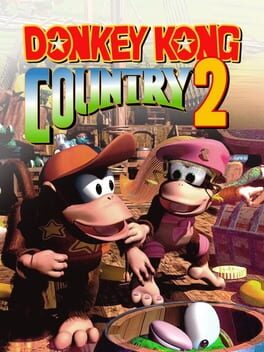
Donkey Kong Country 2 is a remake of the SNES game Donkey Kong Country 2: Diddy's Kong Quest. It is the second game in the series of remakes of the original Country trilogy for the Game Boy Advance.

Fighting / Platform / Action / Party
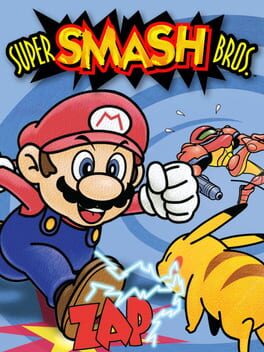
Super Smash Bros. is a crossover fighting video game between several different Nintendo franchises, and the first installment in the Super Smash Bros. series. Players must defeat their opponents multiple times in a fighting frenzy of items and power-ups. Super Smash Bros. is a departure from the general genre of fighting games: instead of depleting an opponent's life bar, the players seek to knock opposing characters off a stage. Each player has a damage total, represented by a percentage, which rises as the damage is taken.

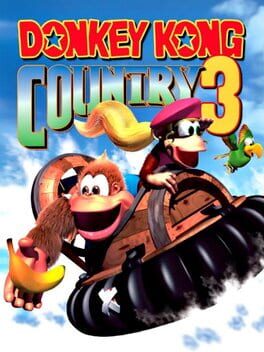
Donkey Kong Country 3 is the Game Boy Advance version of the SNES game "Donkey Kong Country 3: Dixie Kong's Double Trouble!". Although being developed as a port, the game has a different soundtrack composed by the veteran of the series David Wise, new minigames, worlds and overworld map layout.

An expanded port of the original Donkey Kong Country for the SNES. Includes extra collectables, remixed/remastered music and sound design, and additional game modes and minigames.

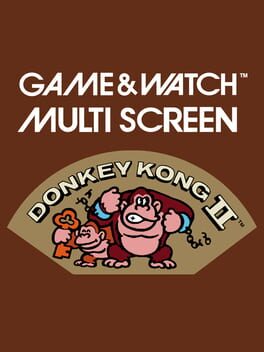
Donkey Kong II was developed by Nintendo R&D1 and released as part of the Game & Watch Multi Screen series, featuring two LCD screens. It was released in 1983. Donkey Kong Jr. has to touch a key, then it moves up to the top screen. Donkey Kong Jr. has to climb to the top screen while avoiding things such as electrical wires. When he gets to the top screen, Donkey Kong Jr. will have to touch the key again, and it will move to the keyhole of one of the chains. Donkey Kong Jr has to climb up the rope below the keyhole, while avoiding birds. When he gets to the top of the rope, one of the chains will unlock. He has to do this 4 times until he saves Donkey Kong. After that, the game will start over, at a somewhat faster pace.