Developed by Orion Software, Inc. for The Avalon Hill Game Company.
Telengard is an earlier example of a "dungeon crawler" role-playing game--albeit with a top-down view- with either real time movement (DOS version) or turn-based movement and turn based combat. Telengard is also played in real time, which means that monsters can attack even when the player's character is not moving. The player controls a single adventurer, selecting randomly-rolled sets of attributes: Strength, Intelligence, Wisdom, Constitution, Dexterity, and Charisma. The vast Telengard dungeon consists of 50 levels down and 200 by 200 rooms each level. Experience is awarded not only for defeating enemies, but also for finding treasure. When the player character gains a level, their attributes increase, and they gain the ability to cast higher-leveled spells. Treasure chests appear randomly in the dungeon. There are also specific features such as altars, thrones, fountains, etc. that the adventurer can discover which may have various effects on the character, whether being either positive or negative. Some creatures will befriend the player, sometimes providing the player with an item and/or healing them, provided the player's Charisma is high enough.
Nobody knows who built the great underground labyrinth called Telengard. Some say that the souls that perish there feed some unspeakable demon. Others say that it is a testing ground for wizards and warriors. Even the most seasoned of fighters sometimes do not return from the nethermost levels of the dungeon. But, like gamblers, even the most successful of adventurers return again and again down into the circular stairways tomblike corridors of Telengard, risking their very lives for gold, treasure and magical powers.
Platform / Role-playing (RPG) / Adventure / Action / Fantasy
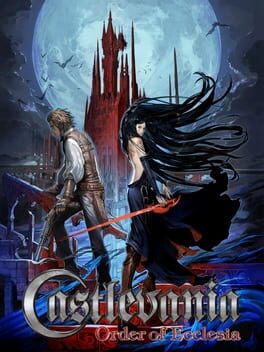
In the absence of the Holy Whip, those who live in fear of Dracula seek a replacement, which takes the form of the Order of Ecclesia, an organization that holds the secret to manipulating Glyphs. Shanoa, a young woman possessed with a unique ability to channel Glyphs, is chosen as our protector. This is her destiny and the story of the sacred Order of Ecclesia. Use the brand new Glyph system with over 100 different attack combinations to battle Dracula and his minions throughout 20 explorable areas! Take part in side quests and collect items to power up! Experience a gripping storyline featuring new characters!

Platform / Role-playing (RPG) / Adventure / Action / Fantasy
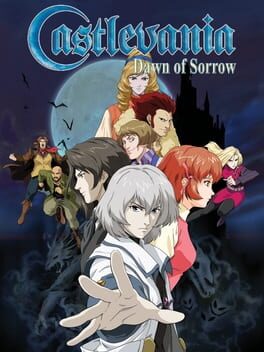
Draw the correct magic seal quickly, or your enemies will never die! Fight and explore through one of the largest castles ever seen in the series! Race another player through custom-made castle rooms in versus mode! A year has passed since Soma Cruz discovered the evil of Dracula hidden inside his body. Now, a mysterious cult wants to release the power of the Lord of Darkness. As Soma, you must do everything in your power to stop them before it's too late.

Role-playing (RPG) / Strategy / Action / Fantasy
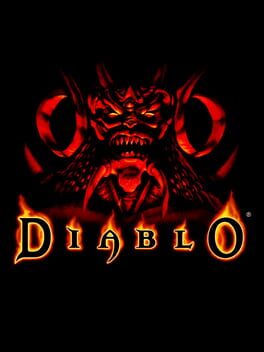
Diablo is an isometric strategy RPG and one of the most well-known examples of the action-RPG subgenre. Although some of the game mechanics resemble a typical RPG, all actions are done in real-time just like in an action game. The player have to kill hordes of monsters through randomized dungeon levels in order to gain experience points, gold and a variety of equipment to bolster the hero's monster-killing potency.

Role-playing (RPG) / Adventure / Action / Fantasy
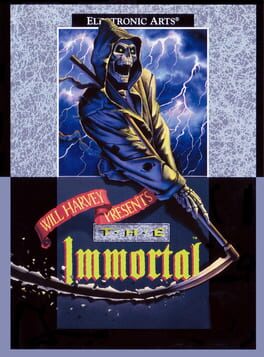
When nightmares come to life... You discover you're not immortal! You're a mighty wizard in search of your lost master, Mordamir. Venture into the dungeon and slove the mysteries of each level. Unravel the secrets of The Immortal! The Immortal is an isometric action-adventure game. Your old mentor Mordamir has disappeared. Probably kidnapped. You're not too sure where he might be, but a dungeon is always a good place to look, so you seek out the nearest one and plunge into its depths. Beware: 8 levels of isometric death await. The Immortal is the prototype of a trial-and-error game. Progress is made by encountering a hazard, dying, solving the problem, encountering the next hazard. To solve a level, you have to know its traps and their patterns by heart. As frustrating as this may sound (it is), The Immortal quite cleverly balances annoyance with curiosity and graphical rewards.

Role-playing (RPG) / Adventure / Fantasy
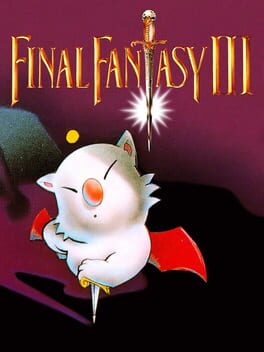
Final Fantasy VI is the sixth main installment in the Final Fantasy series, developed and published by Square. It was the final title in the series to feature two-dimensional graphics, and the first story that did not revolve around crystals. The game gives players up to fourteen playable characters, the largest cast in the series, and features the Active Time Battle pseudo-turn based menu command system. A party can consist of up to four characters, though some events require the player to assemble three different parties of up to four and switch between them. Each character has a unique command ability, such as Terra's Trance, Locke's Steal, Edgar's Tools or Sabin's Blitz, and can also learn Magic spells from earning AP from battles with magicite equipped. Each character's rare Desperation Attack will randomly activate after using the Attack command when at critical health.

Role-playing (RPG) / Adventure / Fantasy / Drama
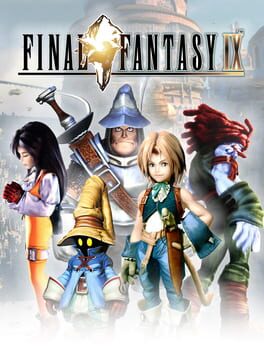
Final Fantasy IX is the ninth main installment in the FF series. The title is a return to the series's roots, with gameplay features and references to the past games featuring throughout, as well as a medieval fantasy setting and cartoonish art style as a break from the sci-fi slant style of Final Fantasy VII and Final Fantasy VIII.

Role-playing (RPG) / Adventure / Fantasy
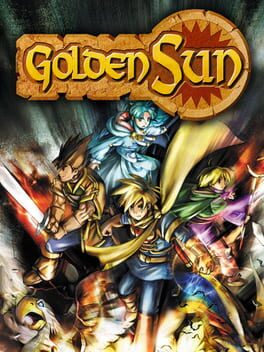
Evil is slowly covering the world. Forces of darkness are pursuing the lost art of Alchemy, and the fate of mankind hangs in the balance. You and your companions, armed with weapons, Psynergy magic, and a host of elemental creatures, must return peace to the world. Golden Sun is an epic role-playing game with an engrossing story, set in a massive world. Gather the elemental Djinn – fire, water, wind and earth – and combine them in unique ways to produce awesome magical effects.

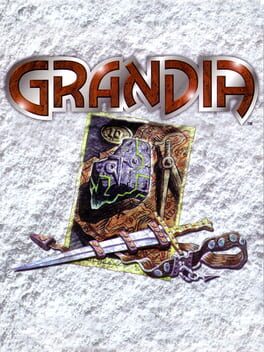
Grandia is a role-playing video game developed by Game Arts and published by Entertainment Software Publishing for the Sega Saturn console as the first game in their Grandia series. Initially released in Japan in 1997, the game was later ported to the PlayStation in 1999, with an English version of the game appearing on the platform in North America in the following September by Sony Computer Entertainment America, and later in Europe in March 2000 by Ubisoft. The game was produced by much of the same staff who worked on the company's previous role-playing endeavor, the Lunar series, including producer Yoichi Miyagi and music composer Noriyuki Iwadare. Since its release, Grandia has become notable for its combat mechanics, which have been carried over to future games within the franchise, and has spawned two spin-off titles – Grandia: Digital Museum and Grandia: Parallel Trippers – both released exclusively in Japan. In celebration of the announcement of renewing development on Grandia Online, which acts as a prequel to Grandia, the game was re-released on Sony's PlayStation Network platform in Japan as a downloadable title in April 2009 and in North America on February 25, 2010. It was re-released in Europe on November 10, 2010.