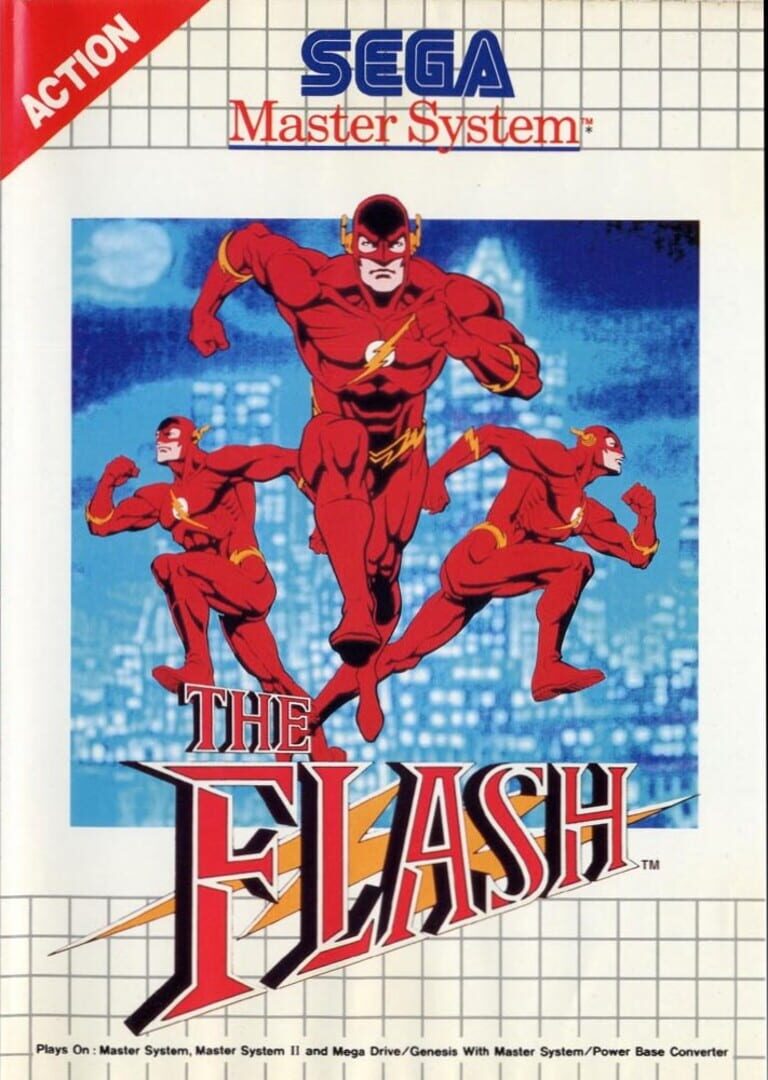

The Flash is an action video game based on the DC Comics superhero of the same name. It was developed and manufactured by Sega and Probe Entertainment for the Sega Master System in 1993. The game's release followed approximately two years after the cancellation of The Flash TV series on CBS.
Central City is Under Siege! The Scarlet Speedster has his hands full! Gangs of cutthroats, rogues and maniacs have launched an all out assault on Central City. Shooting wildly in high speed chases with the authorities, these bandits threaten to take control. Only the super speed of The Flash can halt the mayhem and bring these criminals to justice. Which mysterious super villain has united all of Central City '3 underworld into an unstoppable army? Race through dark alleyways, gloomy dock-yards and a chemical warehouse to find out! Will The Flash discover which arch nemesis is up to his old tricks before it's too late? -Super speed gives The Flash rapid fire attacks. -Dodge bombs, bullets and poisonous gas with incredible speed. -All the action and intensity of the TV Series!
Platform / Adventure / Action / Fantasy
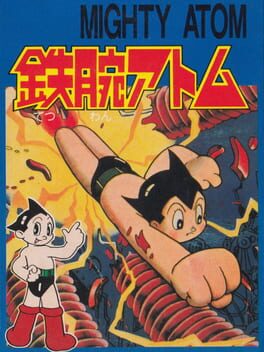
Tetsuwan Atom is an action game developed by Home Data and published by Konami for the Famicom in Japan early on in 1988. The game stars Tetsuwan Atom, a popular early anime character who is better known as Astro Boy outside of Japan. Tetsuwan Atom was originally created in 1951 by Osamu Tezuka. The successful series started as a comic strip and was turned into a black and white animated series in 1963. It was one of the first (if not the first) animated TV series produced in Japan, and has influenced countless Japanese animated series that followed. The little robot-boy is one of Japan's most recognizable character. The story takes place in the future, at a time where humans and robots live together in harmony. The powerful robot-boy Atom lives with Professor Ochanomizu, an old scientist who takes good care of the little robot, and helps him fight crime and injustice. One day, burglars break into Professor Ochanomizu's lab and steal all of his money. It is now Atom's duty to recover the stolen loot.

Fighting / Platform / Hack and slash/Beat 'em up / Action / Science fiction
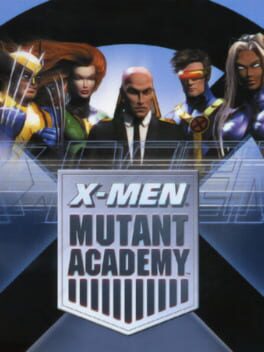
X-Men: Mutant Academy is a 3-D/2D fighting game developed by Paradox, the company behind Activision's Wu-Tang: Shaolin Style and the never-published Thrill Kill, and based on the X-Men characters from Marvel Comics. The game was released for the Game Boy Color and PlayStation as a tie-in to X-Men. X-Men: Mutant Academy is a basic fighting game that uses six buttons: three buttons for punches and three for kicks. Due to the success of the game, it was followed by two sequels: X-Men: Mutant Academy 2 and X-Men: Next Dimension. The game's characters can be played both with their comic book costumes and their costumes from the 2000 film X-Men. Characters not present in the film were given costumes of a similar design.

Shooter / Platform / Puzzle / Action / Fantasy
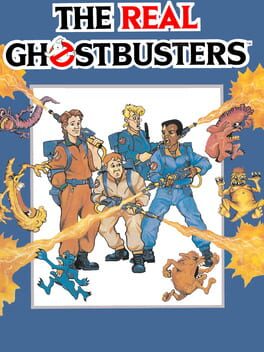
A 3-player top-down arcade game where one player controls one of three unidentified ghost-busters. The game is based off of The Real Ghostbusters cartoon, rather than strictly off the movie franchise. The player can choose between a red, yellow or blue-jumpsuited character though all have the same abilities. These powers include an energy gun that transforms a hostile monster into a harmless, basic ghost, which are then captured using the proton beam. Other abilities are an invincibility field and the ability to summon Slimer to absorb attacks instead of the player. In Japan the game is known as Meikyuu Hunter G, but bears little resemblance to the western version as it did not use the Ghostbusters license.

Shooter / Platform / Hack and slash/Beat 'em up / Action / Science fiction
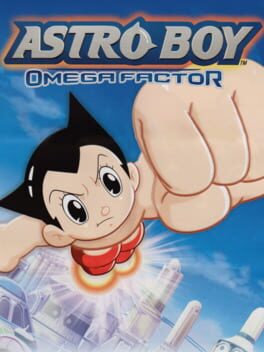
Join Astro, the robotic superhero with a human mind, in a quest to reunite the robotic race with humans. Astro uses his seven super abilities to face off against the likes of Atlas, Blue Knight, and more than 40 other characters. The game brings classic 2D gaming to the Game Boy Advance along with an original seven-episode story. Playing as Astro Boy, you'll learn about justice, compassion, evil, courage, and the history of Astro Boy--all while building Astro's Omega Factor and strengthening his character and superhuman abilities.

Shooter / Platform / Action / Fantasy
Ghostbusters was published by Sega and developed by Compile for the Mega Drive/Genesis on June 29, 1990. It is unrelated to the earlier Activision game (though their name still appears in the copyright screen), and is instead a run and gun game in which the player takes control of squat cartoon representations of three of the four Ghostbusters from the movie, with the noticeable absence of Winston Zeddemore. Four levels are available initially; after they are completed, a fifth level is unlocked, followed by a sixth and final level. Each level contains a number (usually two) of mid-bosses known as "middle ghosts"; after a middle ghost is defeated, it turns into a small green ghost which can be captured for extra money by luring it over a ghost trap. Between levels, money can be used to buy powerups, such as a 3-way shot or recovery items.

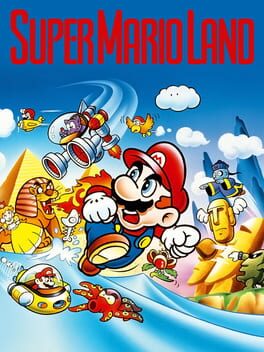
Super Mario Land is the first Mario's outing on the Game Boy. It is a side-scrolling platformer much in the vein of the previous Super Mario Bros. This time, Mario must save Princess Daisy, rather than Princess Toadstool, from her kidnapper Tatanga, a mysterious spaceman. The game follows largely the same formula of its aforementioned predecessor, with Mario defeating enemies by jumping on them and collecting coins and power ups by hitting floating blocks, with each world leading up to a boss fight which is defeated using by collapsing the floor. A unique feature of this installment is two scrolling shoot-'em-up levels, the first of which Mario pilots a submarine, and the second an aeroplane.

Shooter / Platform / Action / Fantasy
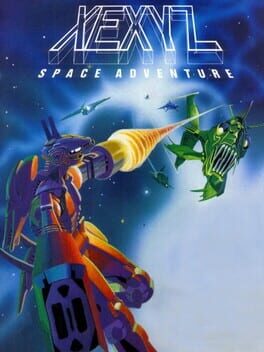
The game centers around the main character of Apollo who progresses through the game in an alternating format that switches between platform, side-scrolling action and side-scrolling shooter action. The goal of the series is, stereotypically, to destroy an evil boss Goruza, rescue a princess (in this case, Princess Maria) and save the planet.