Developed by Bandai Namco Studios for Bandai Namco Games.
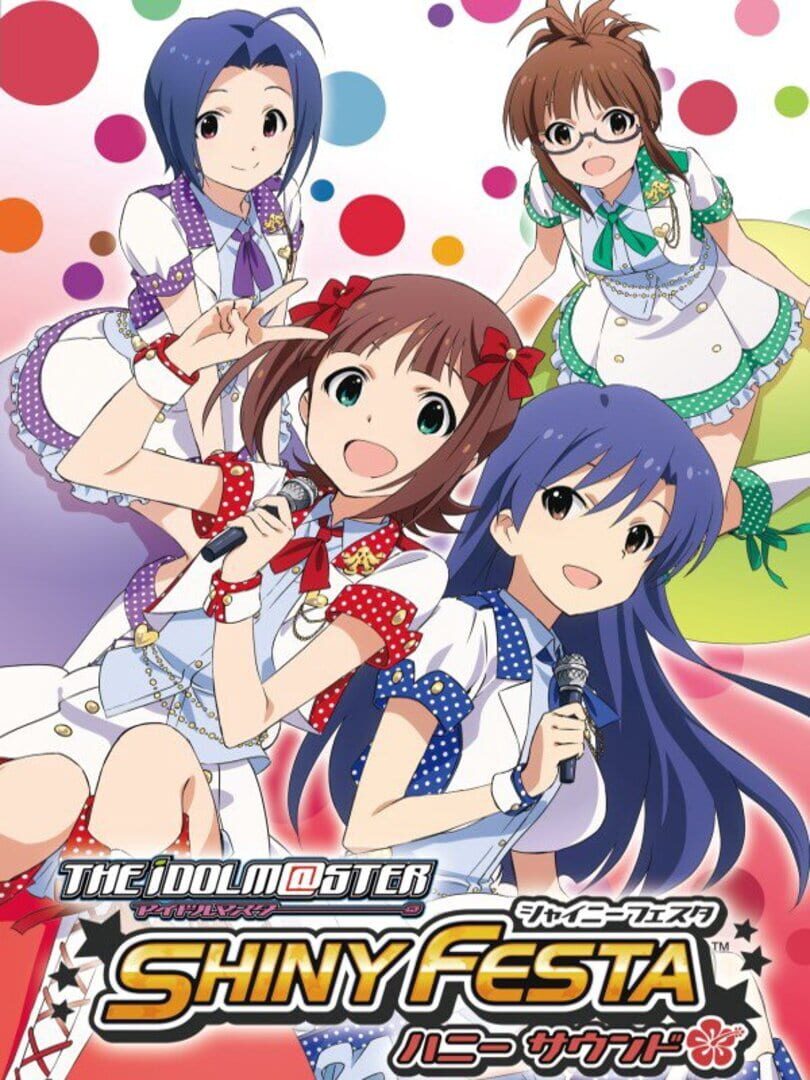
The Idolmaster: Shiny Festa is a series of three Japanese rhythm video games. The games are part of The Idolmaster series of games, and were originally released as Honey Sound, Funky Note, and Groovy Tune. They were the first games in the series to be localized into English. The gameplay in Shiny Festa eschews the simulation format of previous Idolmaster games, and instead features a rhythmic gameplay in which the player times the presses of buttons to the rhythm of the songs and a predetermined pattern displayed on the screen.

Music / Puzzle / Simulator / Educational / Kids
Mario Paint is an educational game that allows anyone to create simple pictures, paint over black and white pictures, or free draw their own using the specially developed SNES Mouse. The player can also create their own piece of music using a selection of notes and themes, create greeting cards and animations, or play a game of "Gnat Attack", where they use the mouse to control a swatter to swat flies.

Music / Simulator / Comedy / Kids
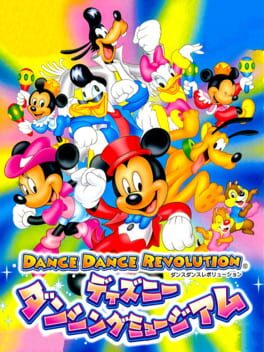
The only Dance Dance Revolution release for the N64, DDR: DDM is intended for children to play. As always, your goal is to jump to the right arrows at the right time. When you are dancing, familiar Disney characters dance along in the background. Some of the songs are Disney-related, others are Japanese as this was a Japan-only release. The game requires the dance pad to play.

Ever wanted to play Guitar Hero in a Super Mario 64 hack? Probably not, but here it is anyway.

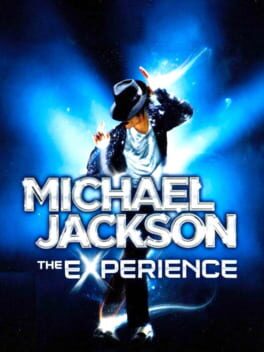
Relive the magic and rock your body to decades of iconic tracks. This unique interactive experience will immerse you in the world of the King of Pop. With Michael Jackson The Experience, dance to a wide variety of songs from Michael Jackson’s extensive catalogue including some of his greatest hits like Beat It and Billie Jean, while having a blast singing and mastering his incredible dance routines and signature moves! Discover and perform in soulful environments inspired by Michael Jackson’s ground-breaking music videos and stage performances.

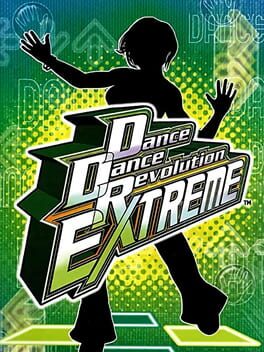
Dance Dance Revolution Extreme is a music video game by Konami and is the eighth release in the main Dance Dance Revolution (DDR) series. It was released on December 25, 2002 for Japanese arcades, on October 9, 2003 for the Japanese PlayStation 2, and on September 21, 2004 for the North American PlayStation 2. This game is the ninth release in North America, but despite having the same name as its Japanese counterpart, its gameplay and soundtrack is significantly different[1] and won the Video Music Awards in 2005 on MTV for Best Video Game Soundtrack. While the PlayStation 2 version came out in North America, the arcade version was exclusive to Japan. Despite this, the arcade version was exported to many arcades in the USA (most of them being bootlegged). Dance Dance Revolution Extreme was the last game in the DDR arcade franchise for four years until Dance Dance Revolution SuperNova in 2006. The arcade release of the game contains one of the largest soundtracks of any DDR game, featuring 240 songs, as well as music from other Bemani music titles. Konami issued an in-game thank you to the fans of Dance Dance Revolution and announced a rejuvenation of the entire series, but did not go into details. Konami's announcement led people to believe that DDR Extreme might be the final DDR release or that the series might be on hiatus or rebooted in the same manner as Beatmania and Beatmania IIDX.
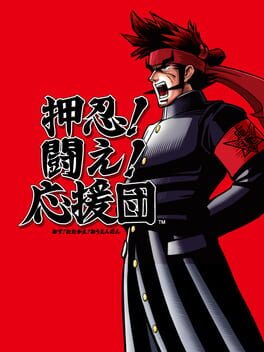
Osu! Tatakae! Ouendan, or simply Ouendan, is a rhythm video game developed by iNiS and published by Nintendo for the Nintendo DS handheld game console in 2005, for release only in Japan. Ouendan stars a cheer squad rhythmically cheering for various troubled people, presented in game in the style of a manga comic. In each stage, players use the DS touchscreen to tap specifically marked spots that appear in rhythm to various Japanese pop songs, scoring points for accurate timing and avoiding a poor performance which can cause the stage to end prematurely. Though never released in Western markets, it was a popular import to these regions, leading to the development of the Westernized spiritual sequel Elite Beat Agents, as well as a direct Japanese sequel Moero! Nekketsu Rhythm Damashii Osu! Tatakae! Ouendan 2.