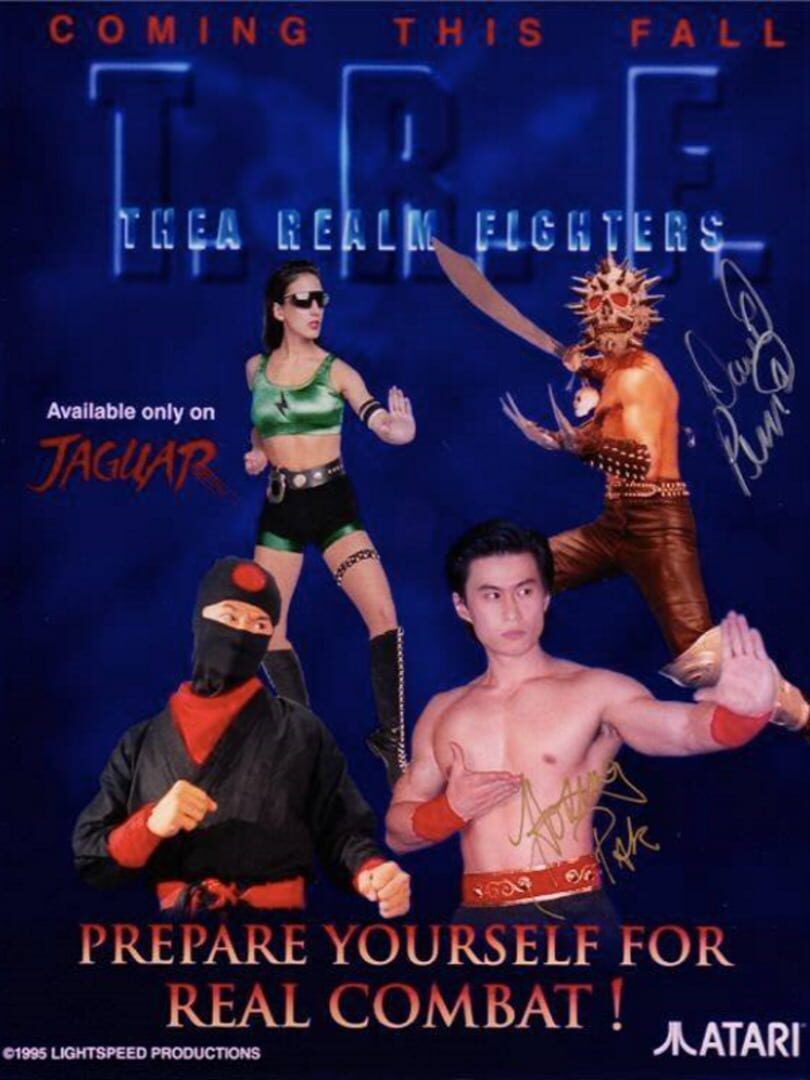
Thea Realm Fighters
Developed by High Voltage Software for Atari Corporation.
A cancelled fighting game for the Atari Jaguar. It was developed by High Voltage Software, but never released officially.
Featured in
Developed by High Voltage Software for Atari Corporation.
A cancelled fighting game for the Atari Jaguar. It was developed by High Voltage Software, but never released officially.

The Ultimate Fighting Championship tournaments started in the 1990s, giving martial artists of the world a chance to distinguish themselves in a fighting environment with very few rules. Fighters could be matched up against fighters of any style, and the match ended only when one fighter submitted. The popularity of the sport resulted in the creation of other mixed martial arts tournaments and the evolution and merging of fighting styles for greater effectiveness. Ultimate Fighting Championship is a 3D fighting game that tries to simulate the experience of a real mixed martial arts fight. Players can choose from a selection of established UFC fighters, or create their own fighter through the Career Mode. While in Career Mode, players start the character creation process by selecting from several style templates, then using points earned through fighting and beating a series of progressively more difficult fighters to buy attribute upgrades in stamina, endurance, punching ability, kicking ability, or to learn certain techniques.
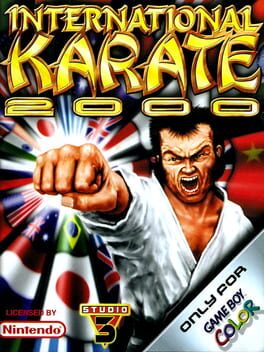
The classic karate fighter is back on the Game Boy Color, remade with the nostalgic gameplay that fans around the world will adore, and new play modes to keep the action fresh and exciting. Hiyah!
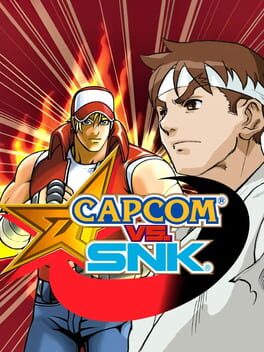
Two of the worlds greatest arcade fighter developers, Capcom and SNK, join forces to finally answer the question asked by many for years: Who is the dominant fighter? A range of fighters from both worlds are available to choose from, with two different fighting styles (Capcom and SNK, of course) meaning that players of both worlds can fit into the game easily, while new gamers can try Ryu using the SNK format.
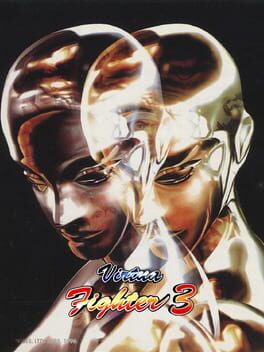
Virtua Fighter 3 is the third fighting game in the Virtua Fighter series. Two new Japanese characters were added to the roster of fighters: Aoi Umenokoji, a beautiful Japanese woman and a childhood friend of Akira Yuki who used a nimble form of Aiki-jujutsu as her fighting style of choice, and Taka-Arashi, a Sumo wrestler from Japan. Taka Arashi would not make another appearance in the Virtua Fighter series until Virtua Fighter 5 R; the series' current producer, Hiroshi Kataoka explained that the removal of Taka in subsequent installments was due to the technical implications of having a substantially larger character.
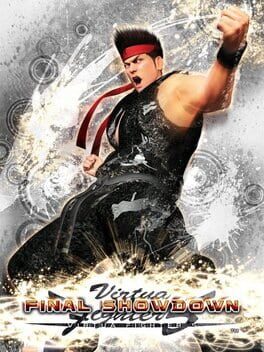
The fifth entry in SEGA's fighting game series. Once again, the real-time level of visual detail and character animation has been upped to the most advanced levels, with next-generation lighting and detail on the fighters and environments. Players will be able to customize their characters by selecting from various patterned costumes and a wide range of attachable items that can be placed onto each fighter's various body parts. Players will not only achieve victory by defeating highly-skilled opponents, but will also compete for prizes and earn in-game money through the match to buy many items at an in-game shop. Virtua Fighter 5: Final Showdown contains a full overhaul of Virtua Fighter 5's mechanics, balance and animations, along with new game modes, new dynamic fighting arenas, a massive collection of customizable character items and new characters.
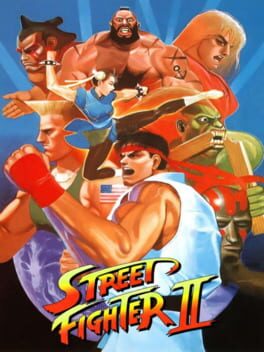
Street Fighter II for the Super Nintendo Entertainment System is a home console port of Capcom’s arcade fighting game. It retains the one-on-one fighting structure, eight playable World Warriors, four boss opponents, and special-move system from the arcade version. The port adapts the arcade game for the SNES/Super Famicom hardware, with reduced animation, altered audio, and some presentation changes. Unlike most earlier home computer conversions, it is a relatively close version of the arcade game, using the console’s six-button controller layout to reproduce the original punch and kick controls more directly.
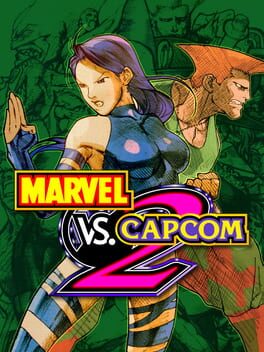
Marvel vs. Capcom 2: New Age of Heroes is the fourth game in the Marvel vs. Capcom series of fighting games. The player's controls were simplified to make the gameplay more accessible to the wider audience of casual players and the button configuration was trimmed down to 4 main buttons and 2 assist buttons. The game also features a different air-combo system and 3 on 3 tag, compared to the 2 on 2 tag from previous games in the series.
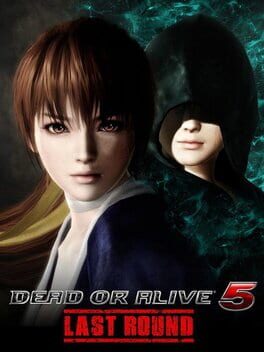
Dead or Alive 5 Last Round is a fighting game developed. It is the third updated version of the 2012 game Dead or Alive 5, following the 2013 games Dead or Alive 5 Plus and Dead or Alive 5 Ultimate. Dead or Alive 5 Last Round features all the content from Dead or Alive 5 Ultimate, adding new costumes and customizable hairstyles, as well as two new characters and two new stages. The PlayStation 4 and Xbox One versions received upgraded graphics, running at 1080p resolution and 60 frames per second. These two version also use the new game engine called Soft Engine and designed to better depict "softness" of characters' bodies.