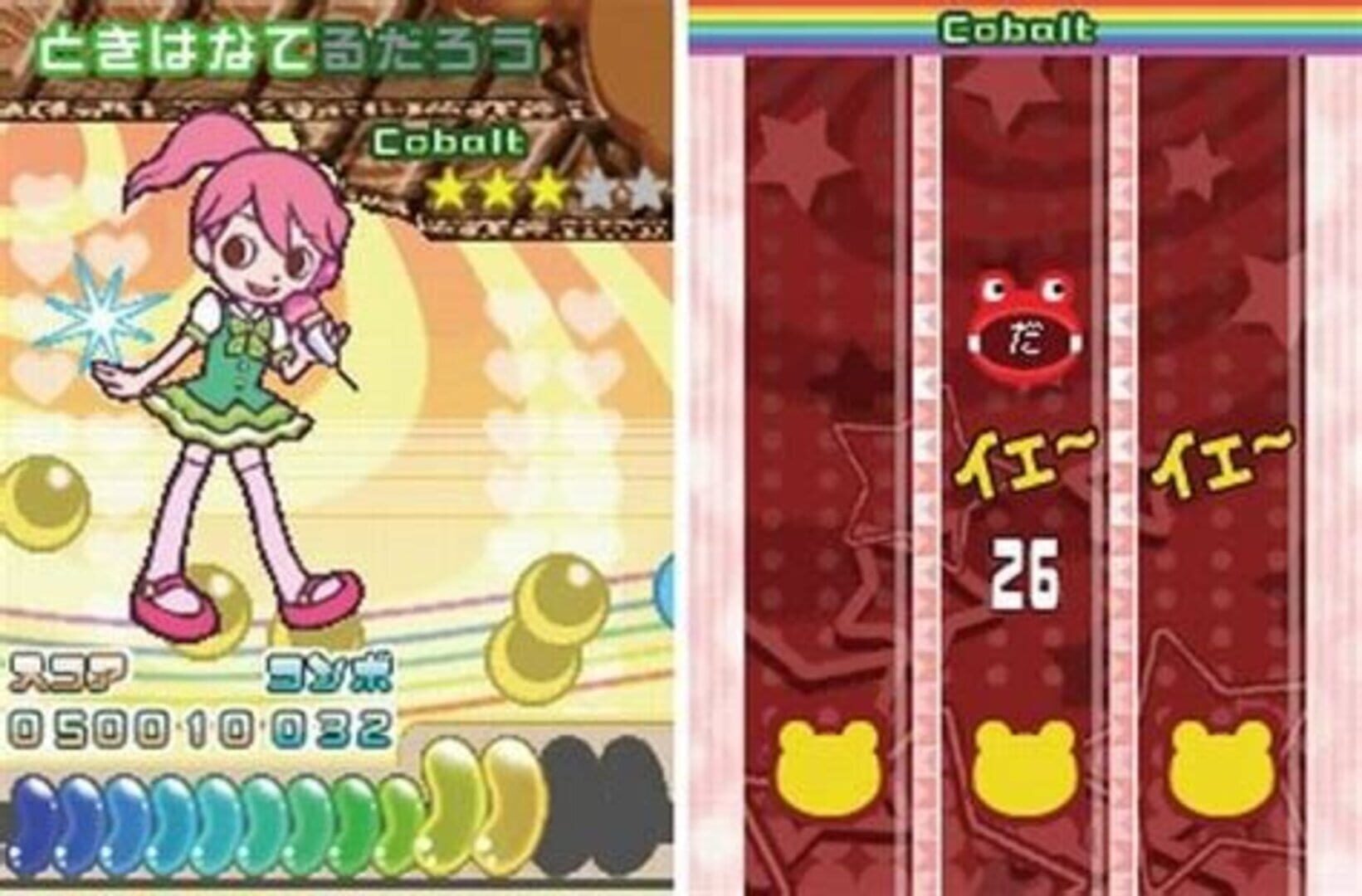
Utacchi is a rhythm video game developed and published by Konami for the Nintendo DS in 2010. It was released exclusively in Japan under the Pop'n Music series. The game plays with the system held in "book style" as the player interacts with falling notes using the stylus. The name 'Utacchi' is a portmanteau of the Japanese words "uta", meaning 'song', and "tachi", a loan word from English meaning 'touch'.
In the Candy Kingdom, the gluttonous frogs' "touches" are largely breeding. In this state, the Candy Kingdom is eaten in whole by them, and that the candy and songs are "touches"! As the bad news is here, the increasingly popular K-SUKE and Nattsun's reach their sources.

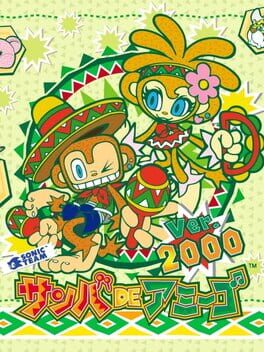
Samba de Amigo: Ver. 2000 is an upgraded version, and it contains 14 new songs, as well as six new downloadable songs for the home version. Whereas in the original game, there were only three songs to choose in each stage, this version allows the player to choose several. "Love Love/Couples" Mode, originally available only in the home version of Samba de Amigo, is included in the arcade version of Ver. 2000. A new character named Amiga joins the cast. She is Amigo's sister, and wields a tambourine. In the home version, a new volleyball game replaces the original minigames. Survival mode was also added, where the player must finish as many songs in a row as they can. In addition, the Challenge mode has new goals, as well as five new secret stages that are quite difficult. The most significant addition to Ver. 2000 is the new "Hustle Mode". In this mode, the player must still follow the dots and shake the maracas in the appropriate location, but this is done a lot less often. Instead, Pose appears frequently, and in addition to making the player do static poses, he will be shaking his maracas in certain patterns that the player must mimic. These patterns include either shaking one or both maracas back and forth between two of the six positions, doing a full 360° rotation starting from one position, and looping all the way back around. All the songs in the game, including the ones previously found in the first version, have both Original and Hustle Mode patterns. Samba de Amigo Ver. 2000 was announced for North American release, under the name Samba de Amigo Ver. 2001, but it was among the games that were canceled when Sega discontinued support for their console.
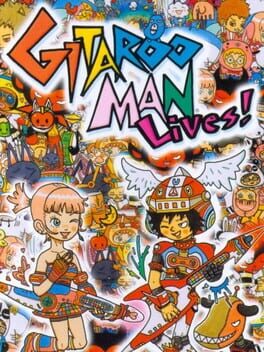
In this strange music rhythm game, you play Gitaroo-Man as you go against various music themed villains. The game puts a new twist on music games as you not only have to time button presses but you have to move the analog stick around in a radar circle to follow a line that passes through the center point. You can play up to 4 players using the multitap and choose from a variety of characters, songs, and locales. Along with local Ad-Hoc multiplayer and additional difficulty options, the game adds a new Duet mode, in which two players control Gitaroo Man and Kirah in two exclusive new stages, "Metal Header" and "Toda Pasión". These levels may also be played alone if the handheld's Ad-Hoc is activated.

Shooter / Music / Platform / Action / Fantasy
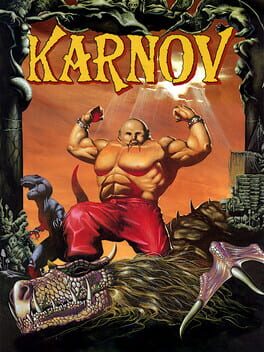
Karnov is a 1987 platform arcade game. It is the debut of Data East's mascot of the same name. After Data East became defunct due to bankruptcy in 2003, Paon, a company comprising former Data East staff, acquired the rights to Karnov, along with multiple other Data East games. In the game, players take control of the title character Jinborov Karnovski, or "Karnov" for short. Karnov is a strongman popularly illustrated as being from an unspecified part of the Soviet Union's Central Asian republics as shown on the original arcade flyer and again in Karnov's Revenge.

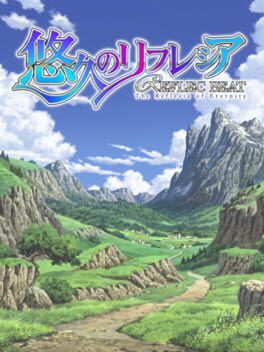
The sixth and final game in the Reflec Beat series, part of the Bemani franchise. The game features an engine rebuilt from the ground up and a new fantasy styled theme. The game is played by hitting circles bouncing down the screen when they reach a certain "judgement" line. Circles with green color has other targets slightly raised from the judgement line. The look and behaviour of the circles has often been compared to how an air hockey puck travels across the field, giving the series the nickname "Rhythm Air Hockey". Slide object introduced in Volzza were removed as they often caused technical issues. They were replaced with objects that rumble the screen and other new note types. Because of this and the engine changes, all previous song charts needed to be remade. When the game first launched only 80 songs from previous games were present. However packs of 10 song "revivals" has been regularly during its lifetime. Thus far 523 songs have been remade and 152 songs still waiting to be recreated in the new engine. 91 new songs has also been added to the game for a total of 614 songs. The game focuses on a new "Reflesia Mode" as its main component. Where you are challenged to different quests (random selection of songs) where the opponent has a set health bar. Deplete the health bar by playing well and you will progress the story and unlock songs, as well as characters and items. These characters and items can be levelled up and equipped to be more powerful and deplete the health bar of your opponent quicker.

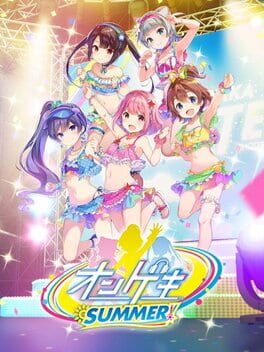
Ongeki SUMMER is the successor to Ongeki Plus. It adds a new story chapter (“Shooter Festival”), introduces SR+ rarity cards, new items for progression, and a revamped mission system. Quality-of-life updates include playlist sorting, UI improvements, and a raised level cap.