Mystery box
?
Sealed
Mystery Box
Every game in your current results, in one box. Add it to a quest and each run draws a fresh game from it, revealed on release day.
odyssey
1973
This side out
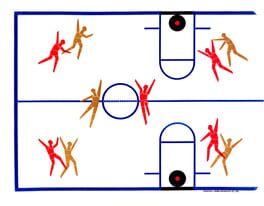
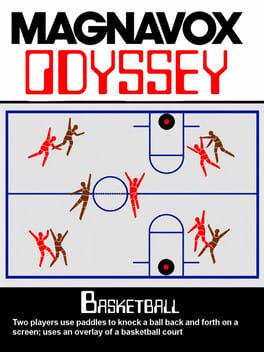
Two players use paddles to knock a ball back and forth on a screen; uses an overlay of a basketball court. This cart has 2 different spots games: bowling and basketball. Be the king of the alley or the court. Bowling is up to 4 players while basketball is 2.
Arcade
1973
This side out
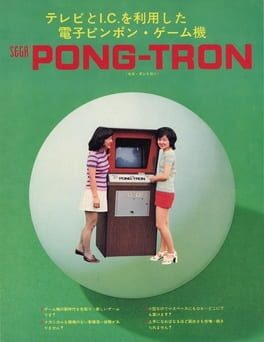
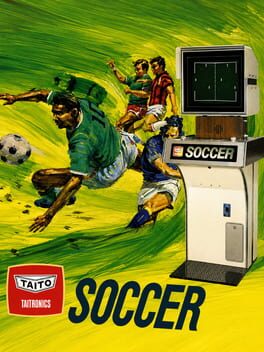
Soccer is Taito's third ever video game release and the first developed internally. The game was designed by the highly influential Tomohiro Nishikado, who would later go on to create Space Invaders. Soccer is a ball-and-paddle game like Pong, but with a green background to simulate a playfield, allowing each player to control both a forward and a goalkeeper. The players can adjust the size of the players, who are represented as paddles on screen. It also has a goal on each side. Soccer is likely to be Japan's first original domestically produced video game, in comparison to Japanese Pong clones released earlier, including Sega's Pong Tron and Taito's Elepong. Since it was exported to Europe in 1973 it may also be the first Japanese video game to be released on the European continent.
Arcade
1973
This side out
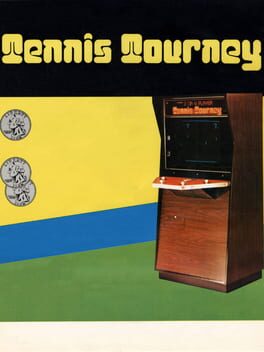
Allied Leisure's second game was a four-player version of Paddle Battle. It was the first four-player Pong-style game, predating Atari's own Quadrapong by two months.
odyssey
1973
This side out
Strategy / Tactical / Card & Board Game
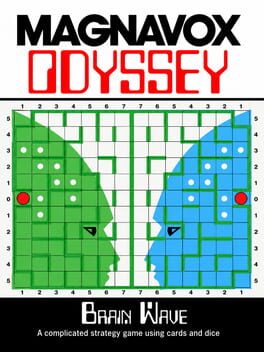
In Brain wave you must shoot down the invaders and dodge the incoming. Use dice to decide the next move.Watch out for falling air craft because it can kill you just as quick as the gun fire can. This game forces you to think and of course take a chance.
Arcade
1973
This side out
Racing / Arcade / Science fiction
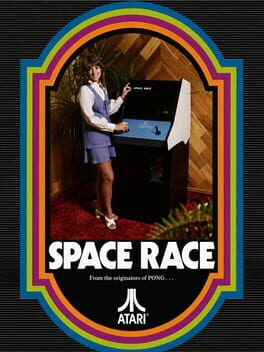
Space Race is the second arcade game created by Atari and was released in July, 1973. The two players each control a rocket ship; the object of the game is to make it from the bottom of the screen to the top, while avoiding obstacles such as asteroids. Score is kept electronically and the background consists of a simple starfield.
Arcade
1973
This side out
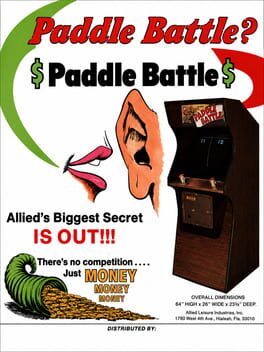
The first video game produced by Allied Leisure. It is a clone of Atari's pong, and was created by electronics firm Universal Research Laboratories more-or-less copying the board from a Pong machine Allied had purchased from a distrubutor.
Legacy Computer
1973
This side out
Simulator / Business / Educational
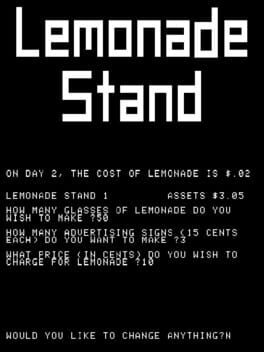
Lemonade Stand is a business simulation game created in 1973 by Bob Jamison of the Minnesota Educational Computing Consortium. Charlie Kellner ported the game to the Apple II platform in February 1979. Throughout the 1980s Apple Computer included Lemonade Stand (along with other software) with the purchase of their systems. The game simulates a child's lemonade stand, where choices made by the player regarding prices, advertising, etc. will determine the success or failure of the enterprise. The game owed its success to offering just enough variables to make a complex challenge for users, but still providing a simply-grasped addictive introduction to the offsetting priorities facing a business. The choice of the right prices and quantities on the day of a heat-wave could instill the satisfaction unique to a greatly profitable private enterprise. The player is first given a weather report for the day (sunny, cloudy or hot and dry, each accompanied by a color drawing) and is prompted for three values: the number of glasses of lemonade to make, the number of advertising signs, and the cost of lemonade per glass. The program then gives a report of the earnings for that day. A thunderstorm, sometimes occurring on cloudy days and accompanied by a color animation, will void any profits and cause the player to lose any investment for the day. The game can be played either single-player or with up to 30 players (each player is independent and the sales of one do not affect another). The Apple II version included music, with bars from "Morning Mood," "Singin' in the Rain," "Raindrops Keep Fallin' on My Head," and "Summertime" played at appropriate moments.
Arcade
1973
This side out
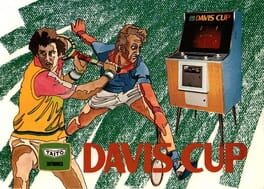
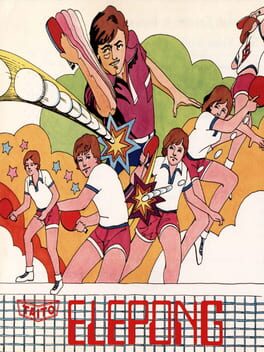
Taito's fifth game and the second developed in house. The game is another ball-and-paddle variation, like three of Taito's previous four releases, but with the added functionality of four players being able to play doubles. This was an important innovation during the 1973-1974 Pong craze first introduced in Allied Leisure's Tennis Tourney.
Arcade
1973
This side out
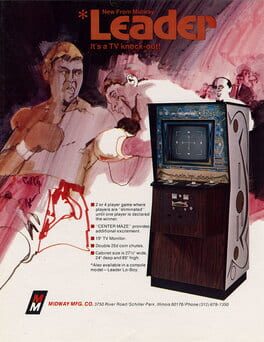
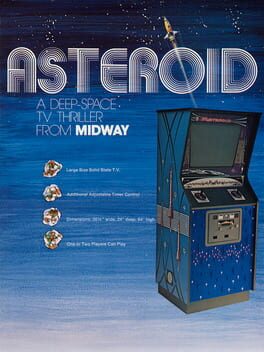
Asteroid was originally developed by Atari for Midway in fulfillment of a contract to supply one video game and one pinball machine. Atari had initially offered Pong during its development to fulfill the contract, but had been rejected. After finishing Asteroid Atari developed a near identical version of the game and released it themselves under the title "Space Race".
Arcade
1973
This side out
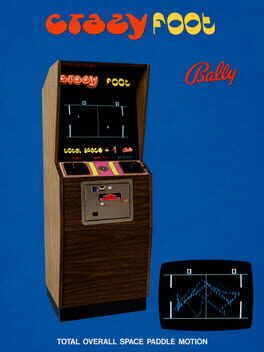
Crazy Foot is a Pong variant with a football theme. Each player must defend their goal from the ball bouncing around the screen. Different from most Pong variants the paddles can be moved in 2 axes instead of just one using joysticks. The ball gradually accelerates during play. Settings for the game include the number of balls (11 or 15), timer, speed accelerator and goal size.
Arcade
1973
This side out
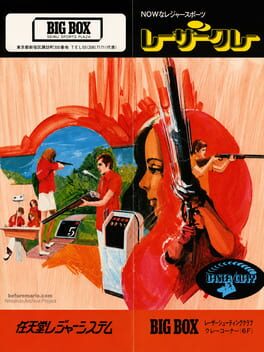
The Laser Clay Shooting System is a light gun shooting simulation game created by Nintendo in 1973. The game consisted of an overhead projector which displayed moving targets behind a background; players would fire at the targets with a rifle, in which a mechanism of reflections would determine whether or not the "laser shot" from the rifle hit the target.
Still plenty of games...