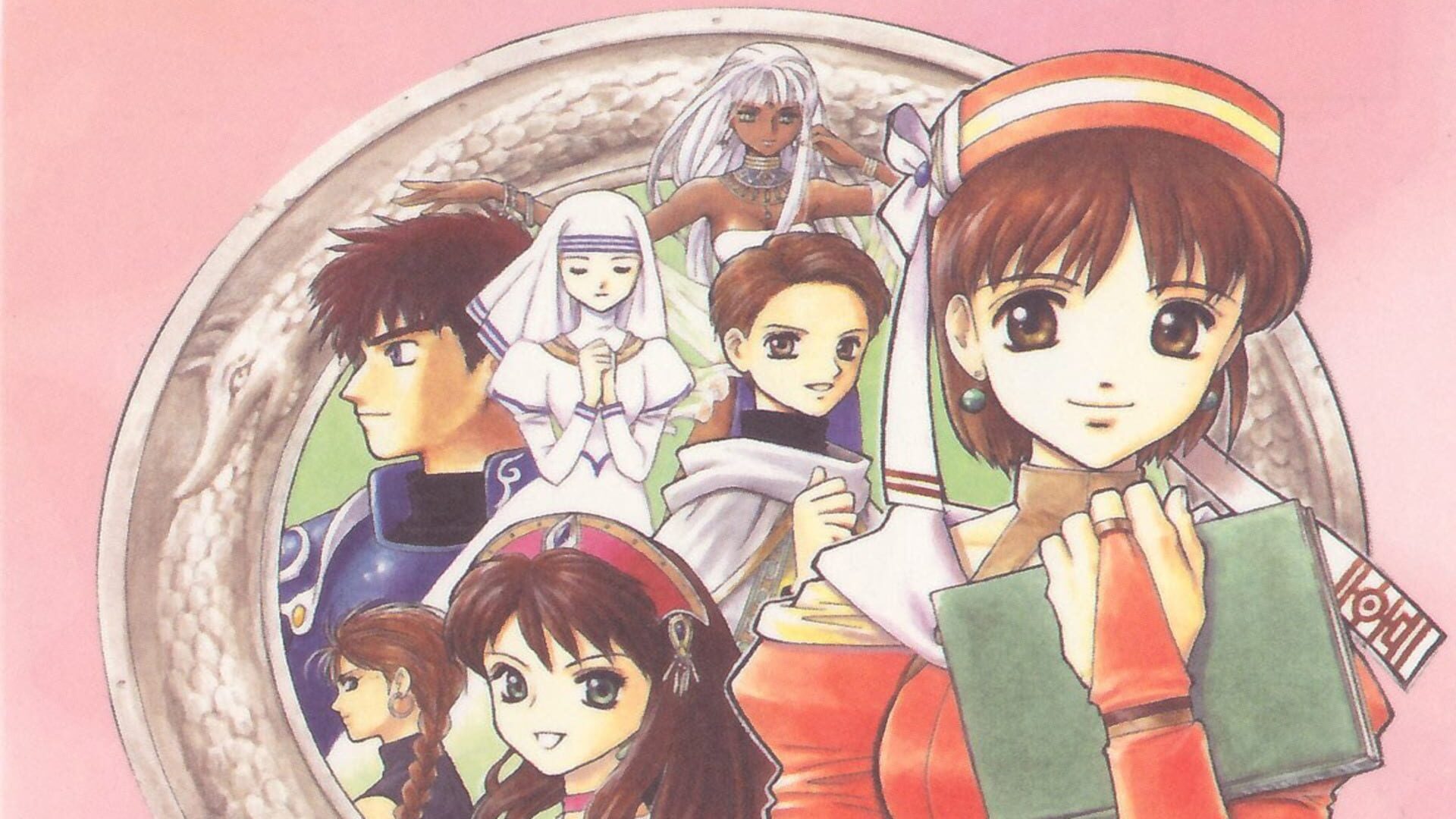
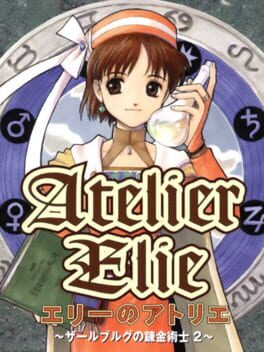

The second game in the Atelier series. Originally for the PlayStation the game has been released for the PS3 and PSP through the PlayStation Network as PSOne Classics. The game has only been released in Japan.
After our main protagonist Elie was saved by Marie, Elie decides to follow in Marie's footsteps. She enrolls herself into the very same academy that Marie was once a student at in hopes of becoming a great alchemist. Because of the nature of the game, the player can pursue different directions for Elie's life. The game follows an "open world" type style, which allows the player to make a variety of choices on how the game will progress. In total, there are 10 regular endings and 2 bad endings that are achievable.

Role-playing (RPG) / Adventure / Fantasy / Science fiction
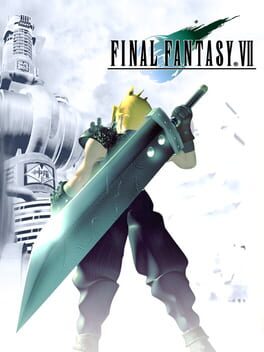
The Western release of Final Fantasy VII (released as Final Fantasy VII International in Japan) included additional elements and alterations, such as streamlining of the menu and Materia system, reducing the health of enemies, new visual cues to help with navigation across the world map, and additional cutscenes relating to Cloud's past.

Role-playing (RPG) / Turn-based strategy (TBS) / Fantasy / Science fiction
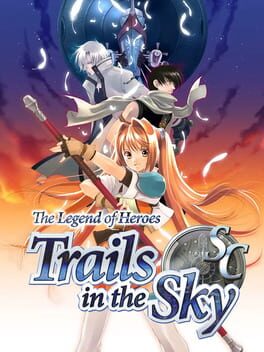
The Legend of Heroes: Trails in the Sky SC is the second installment in the main Trails series, serving as a direct sequel to the events of the The Legend of Heroes: Trails in the Sky. The game follows Estelle sets out to a new adventure, after completing some training by the Bracer Guild to prepare for that adventure. Comrades both old and new join your team in this story-driven RPG with new combat mechanics and other features that improve the gameplay experience from the first entry.

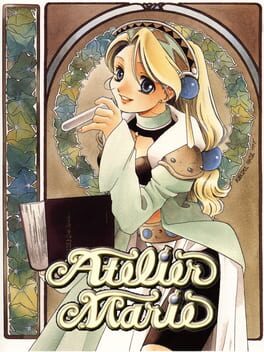
The game that started the Atelier franchise. Has never been released outside Japan.

Role-playing (RPG) / Strategy / Adventure / Fantasy / Comedy
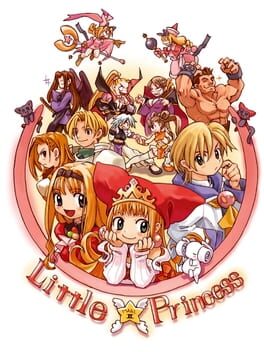
Rhapsody II: Ballad of the Little Princess is a role-playing video game developed and published by Nippon Ichi Software for the original PlayStation and is the second installment in the Rhapsody series. The game takes place twelve years after the event of its predecessor, Rhapsody: A Musical Adventure, and features much of the same characters. Like its predecessor, Little Princess includes many musical interludes and focuses on the themes of falling in love and fulfilling your dreams, though the tactical role-playing game battle system of Rhapsody was discarded for a more traditional RPG battle system.

Role-playing (RPG) / Fantasy / Science fiction
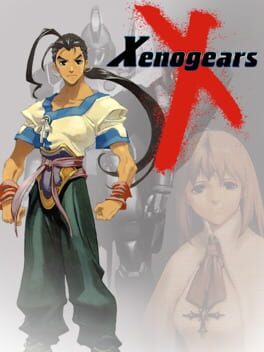
Xenogears Blends Authentic RPG Gameplay with Exquisite Hand-Drawn and Computer-Generated Animation in a Grand Science Fiction Tale. An intricate storyline involving many human and non-human characters will prove to captivate audiences of all ages. Players can rotate the amazingly detailed 3D gameplay maps 360 degrees, and have the ability to navigate around the environment by jumping and climbing. In battle, mega-robots can be controlled, adding great variety to play. A new real-time combat system eliminates restrictive menus, using button commands to provide fast-paced, intuitive action. Players can wield dramatic magical spells or engage in real-time polygonal robot vs. robot battles. Combined with dynamic camera angles and intense lighting effects, Xenogears is an experience that won't be forgotten.

Role-playing (RPG) / Adventure / Action / Fantasy
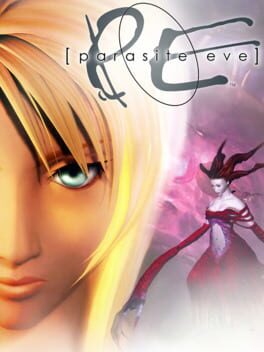
Parasite Eve is a survival horror role-playing video game developed and published by SquareSoft (now Square Enix) for the Sony PlayStation console. The game follows the story of Aya Brea, a rookie NYPD officer who becomes embroiled in a series of bizarre and deadly events related to a genetic mutation known as mitochondria. The game combines elements of horror, science fiction, and RPG gameplay, featuring real-time battles, exploration, puzzle-solving, and character development. The game's plot is inspired by the novel of the same name by Hideaki Sena, and its gameplay mechanics were influenced by the Final Fantasy series. Parasite Eve was critically acclaimed upon its release in 1998, and is widely regarded as a classic of the survival horror genre.

Role-playing (RPG) / Adventure / Card & Board Game / Fantasy / Science fiction
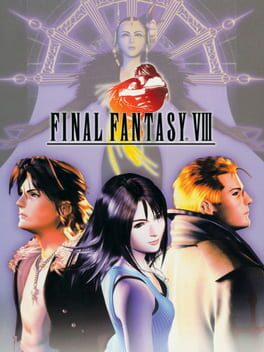
Final Fantasy VIII is the eighth main installment in the Final Fantasy series. The gameplay makes a departure from many series standards. While it still uses the Active Time Battle system, it deviates from the series' traditional means of boosting a character's power via leveling, although levels are not completely abandoned as they were in Final Fantasy II. In addition, it does not have a Magic Point-based system for spell-casting. Instead, magic is collected, drawn, and created from items, and is used to power up the characters via the junction system.

Role-playing (RPG) / Adventure / Fantasy
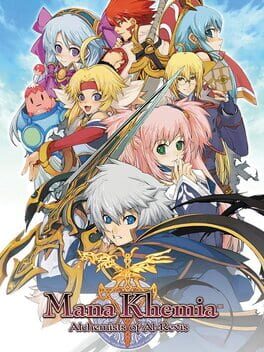
The 9th core Atelier game and the first of the two Mana Khemia games. The game's main focus is on the lead protagonist, Vayne Aurelius, the son of a legendary alchemist named Theofratus who had disappeared sometime after Vayne's birth. Since then, Vayne has led the life of a hermit, his only companion being a Mana in cat form named Sulpher. Vayne is invited to the Al-Revis Academy for alchemy training by Zeppel, one of the professors. He is quickly indoctrinated into the school by becoming part of an atelier led by Flay Gunnar (an older student who is known as The Defender of Justice) along with two other students, Jess (a clumsy girl who is nevertheless adept at alchemy), and Nikki (an impulsive beastgirl). They are soon joined by Pamela (the school's resident ghost), Anna (an 11-year-old master swordsman), Roxis (the son of a famous family of alchemists who is quickly forced to join the workshop by Flay), and Muppy (an alien the group discovers on an assignment). The eight of them are able to succeed at completing assignments, learn the skills of alchemy, and allow the workshop to prosper.